
Plants
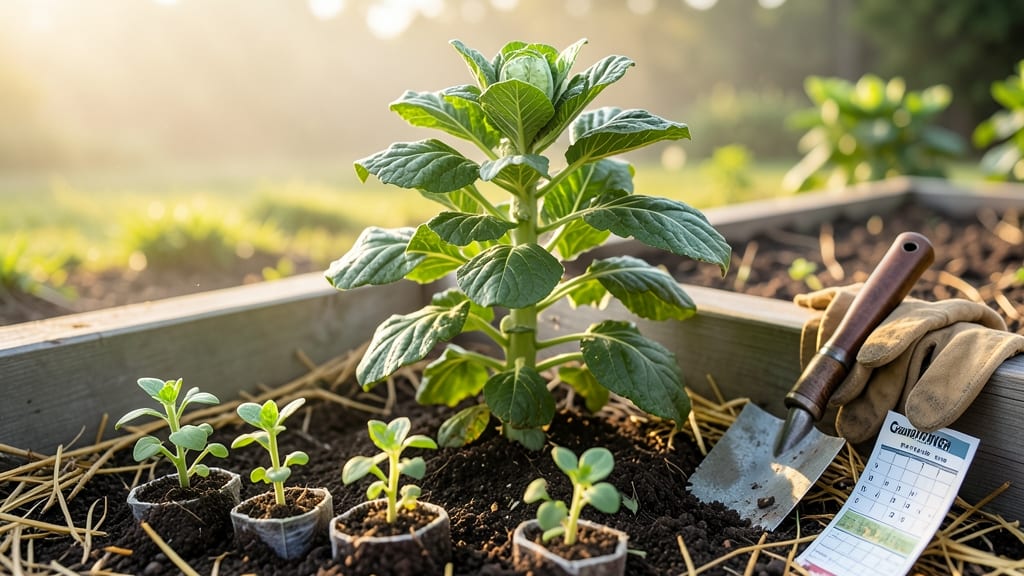
Timing your 🥦 brussel sprouts planting in Maryland isn’t just about the calendar—it’s about dodging frost, heat stress, and bolting to guarantee a bountiful harvest.
In Zone 7A/7B, where last frosts linger into mid-April and first frosts arrive by mid-November, planting too early risks stunted growth, while waiting too long cuts your harvest window short.
Most gardeners in Maryland swear by two planting windows: spring (mid-March to early April) and fall (mid-August to early September). But here’s the catch—soil temperature matters just as much as the date.
Seeds need at least 45°F soil to germinate, and rushing them can leave your plants vulnerable to cold snaps or aphid infestations.
If you’re a home gardener or small-scale grower, you’ll want to know how to stretch your harvest by using succession planting or heat-tolerant varieties. I’ll walk you through the exact steps to time your planting for maximum yield, including how to adjust for Maryland’s unpredictable microclimates.
Ready to avoid the common mistakes that sabotage brussel sprout gardens? Let’s dive into the frost-free deadlines, soil prep secrets, and regional tweaks that’ll turn your Maryland garden into a 🥦 powerhouse this season.
Maryland’s ideal planting windows for brussel sprouts by zone 7A/7B
Timing your Brussel sprouts correctly in Maryland means the difference between a bountiful harvest and wasted effort. Since Maryland spans Zone 7A/7B, with average last frost dates around April 15 and first frost near November 15, you have two prime planting windows: spring and fall.
Each offers unique advantages depending on your goals—whether you want early summer harvests or winter storage crops.
For spring plantings, aim for mid-March to early April when soil temperatures consistently reach 45°F. This gives plants enough time to mature before summer heat triggers bolting. Fall plantings, however, are often more reliable in Maryland’s climate, with mid-August to early September being the sweet spot.
These late-season crops thrive in cooler weather and produce sweeter sprouts before winter sets in.
Maryland’s microclimates can shift frost dates by weeks, so always check local forecasts. For example, Western Maryland (like Frederick) tends to warm up faster than Eastern Maryland (like Annapolis). Use the Maryland Extension’s frost calendar or NOAA’s Local Climate Data to fine-tune your schedule.
Heat-tolerant varieties like ‘Long Island Improved’ or ‘Ruby Ball’ perform best in Maryland’s summers. If you’re growing standard varieties, prioritize fall plantings to avoid the heat. Container gardeners should start seeds indoors 6-8 weeks before the last frost date, then transplant after soil warms.
Pro tip: Succession planting in fall can extend your harvest into December. Sow a second batch 4-6 weeks after your initial planting for a staggered yield.
| Planting Window | Soil Temp Requirement | Best Varieties | Harvest Window |
|---|---|---|---|
| Mid-March to Early April | 45°F+ | ‘Long Island Improved’, ‘Ruby Ball’ | June–August |
| Mid-August to Early September | 50°F+ | ‘Jade Cross’, ‘Coronation’ | October–December |
| Late July (Succession) | 55°F+ | ‘Tasty Purple’ | November–January |
🌱 Maryland’s 2024-2025 Frost Projections
Maryland’s fall harvests often yield the sweetest sprouts because cooler temperatures enhance flavor. If you’re aiming for storage, prioritize late-September plantings—these mature just in time for winter. Just be sure to mulch heavily with straw or leaves to protect roots during light frosts (28–32°F).
For container gardening, use 5-gallon pots with drainage holes and plant one sprout per container. Containers warm up faster, so start them 2 weeks earlier than in-ground plantings. Place pots in full sun and monitor soil moisture closely, as containers dry out 3x faster than garden beds.
If you miss the ideal windows, don’t despair! Transplanting young plants (4–6 weeks old) can work if done carefully. Just ensure soil is warm enough and water thoroughly for the first 2 weeks to reduce transplant shock.
Remember: Brussel sprouts need 80–120 days to mature. Plan accordingly—fall plantings give you the longest harvest window before winter sets in. For a foolproof approach, plant both spring and fall crops to spread out your harvest and reduce risk.
Maryland’s ideal planting windows for brussel sprouts by zone 7A/7B
Maryland’s Zone 7A/7B climate creates two perfect windows for planting 🥦 brussel sprouts: spring and fall. The key is avoiding frost damage while maximizing your harvest before winter sets in.
For spring, aim for mid-March to early April—once soil temperatures hit 45°F and last frost dates (around April 15) are past. Fall planting should start mid-August to early September to ensure sprouts mature before the first frost (mid-November).
Timing isn’t just about dates—it’s about soil warmth and daylight hours. In Maryland, spring-planted sprouts need 90+ days to mature, while fall crops benefit from cooler temps and longer daylight in early growth stages.
Heat-tolerant varieties like ‘Long Island Improved’ or ‘Jade Cross’ handle Maryland’s summer heat better than traditional types.
Pro tip: Use Maryland Extension’s frost date alerts (available via their website) to fine-tune your schedule. For example, in 2024-2025, early April frosts were recorded in Zone 7A, so adjust your spring planting by 1-2 weeks later if you’re in northern Maryland.
| Planting Window | Soil Temp Requirement | Days to Maturity | Harvest Window |
|---|---|---|---|
| Spring (Mid-March - Early April) | 45°F+ | 90-120 days | October - November |
| Fall (Mid-August - Early September) | 50°F+ | 80-100 days | November - December |
If you’re in southern Maryland (Zone 7B), you can push spring planting to early March—just monitor soil temps closely. For northern Maryland (Zone 7A), wait until late March to avoid cold snaps.
Fall planting in Zone 7A should start by August 15 to ensure sprouts mature before frost.
For container gardening in Maryland, use 5-gallon pots and plant 4-6 weeks earlier than in-ground dates. Containers warm up faster in spring and cool down quicker in fall, so adjust your schedule accordingly.
Always use well-draining soil mixed with compost to prevent waterlogging, which is a common issue in Maryland’s clay-heavy soils.
Remember: Succession planting every 2 weeks in spring or fall extends your harvest by 4-6 weeks. This is especially useful in Maryland’s short growing season.
Start with a few plants, then add more as the season progresses to keep your kitchen stocked with fresh 🥦 brussel sprouts all season long.