
Plants
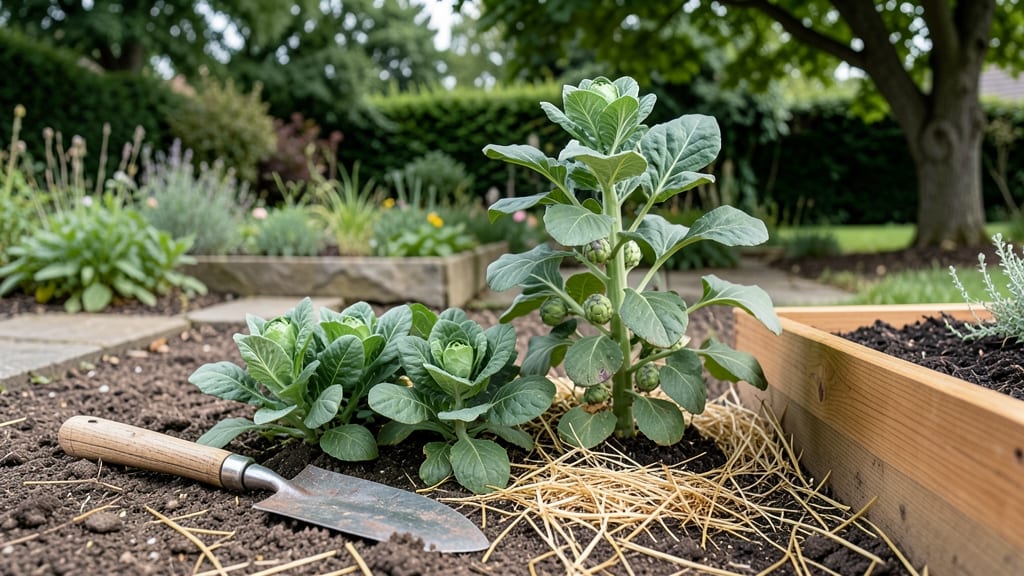
Timing your Brussel sprouts 🥦 planting in Southern California can mean the difference between a thriving harvest and a sad, wilted disappointment. Unlike many plants, these cool-weather lovers demand precision—plant too early, and the summer heat will send them bolting before you even taste one sprout.
Here’s the secret: the ideal windows are September–October for fall harvests or January–February for spring, but coastal and inland zones play by slightly different rules. Inland areas like Riverside might face unexpected chilly snaps, while coastal spots like Santa Barbara stay milder year-round.
You’ll also want to know how to prep your soil, when to protect young plants from late-season heat, and which varieties hold up best in SoCal’s unpredictable microclimates. Let’s break it down so you can grow Brussels that are big, sweet, and ready to harvest—without the guesswork.
Whether you’re a first-timer or a seasoned gardener, these tips will help you avoid common mistakes and maximize your yield. Ready to turn your backyard into a brussel sprout powerhouse?
Best planting windows for Brussel sprouts by Southern California heat Zone
Southern California’s microclimates create two distinct planting zones for Brussel sprouts: coastal areas (like Los Angeles and San Diego) with mild winters, and inland valleys (like San Fernando or Coachella) where cool nights and warmer days demand precision timing.
Get it wrong, and you’ll either face heat stress or frost damage—neither of which your sprouts will thank you for.
Coastal zones (USDA 9b-10a) are frost-free year-round, while inland areas may see light frost in December-January. This means your planting window shifts slightly depending on where you live. For coastal gardens, aim for September-October or January-February to avoid summer’s 90°F+ heat, which causes bolting.
Inland growers have a narrower window—late August to early September or December—to escape both heat stress and frost risk.
Here’s the visual breakdown of your ideal planting schedule, tailored to your heat zone:
| Factor | Coastal Zones (9b-10a) | Inland Zones (8b-9a) |
|---|---|---|
| Best Planting Window | September 15–October 15 or January 1–February 15 | August 20–September 10 or December 1–15 |
| Soil Temperature | 60–70°F (ideal for germination) | 55–65°F (cooler nights require earlier start) |
| Frost Risk | None (frost-free year-round) | Possible December–January (light frost) |
| Harvest Window | December–January (fall plant) or April–May (winter plant) | November–December (fall plant) or March–April (winter plant) |
| Key Challenge | Summer heat (avoid planting after May) | Frost + heat (narrower margin for error) |
| Pro Tip | Use row covers for late-winter plants | Plant dwarf varieties like ‘Long Island Improved’ |
For coastal gardeners, September-October is your sweet spot—soil stays cool, and you’ll harvest just as winter cools down. If you’re planting in January-February, watch for unexpected heat waves (yes, they happen!) and use shade cloth if temps hit 75°F+.
Inland growers should plant early—by mid-August—to give sprouts time to mature before December frost.
Here’s a quick rule of thumb: Count back 90 days from your first expected frost date (or mid-December for coastal areas). That’s your last planting window to ensure a harvest before summer heat sets in.
For example, if you’re in San Diego (frost-free), aim for September 15 planting to harvest by December.
One critical mistake I see often? Planting Brussel sprouts in spring. By March-April, soil temps rise, and your plants will bolt (send up flowers) before producing edible sprouts.
Instead, think cool-season crops: fall or winter are your only friends here. Even shade-tolerant varieties like ‘Ruby Ball’ won’t survive summer heat in Southern California’s Zone 9+.
Soil prep is half the battle. Brussel sprouts love well-draining, slightly acidic soil (pH 6.0–7.0). Amend your soil with compost and a balanced fertilizer (10-10-10) before planting.
Inland areas with clay-heavy soil? Mix in sand or perlite to improve drainage—waterlogged roots lead to rot, and nobody wants that.
Pro tip: If you’re starting from seed, begin indoors 6–8 weeks before your target outdoor planting date. Transplants give you a head start in Southern California’s short growing season.
Harden them off for 7–10 days before moving to the garden, and plant on a cool, overcast day to reduce transplant shock.
Finally, spacing matters. Plant 18–24 inches apart in rows 3 feet apart to allow airflow and prevent disease. Inland growers with limited space? Try dwarf varieties like ‘Corvette’—they stay under 2 feet tall and fit well in container gardens or small plots.
Best planting windows for Brussel sprouts by Southern California heat Zone
Southern California’s diverse microclimates mean your Brussel sprout 🥦 planting window depends on whether you’re in coastal Zone 9-10 or inland Zone 8-9. Coastal areas like Malibu stay frost-free year-round, while inland spots like Lancaster can see unexpected chills—even in winter.
The key is planting when soil temps stay below 75°F but won’t drop below 40°F.
For coastal zones, aim for early September to mid-October for fall harvests or late January to February for spring. Inland gardeners should push planting back to mid-September to November or February to early March to avoid late-winter frost risks. Transplants thrive best when night temps stay above 50°F.
Here’s how the two zones compare for your planting schedule:
| Zone Type | Best Planting Window | Soil Temp | Harvest Window | Frost Risk |
|---|---|---|---|---|
| Coastal (Zone 9-10) | Early Sept–Mid-Oct (Fall) or Late Jan–Feb (Spring) | 55–70°F | Dec–Jan (Fall) or Apr–May (Spring) | None (year-round) |
| Inland (Zone 8-9) | Mid-Sept–Nov (Fall) or Feb–Early Mar (Spring) | 50–65°F | Nov–Dec (Fall) or Apr–May (Spring) | Low (Dec–Jan) |
Pro tip: Use row covers or shade cloth if planting in late summer to protect seedlings from heat stress. Coastal gardeners can push the envelope slightly earlier, but inland areas should wait until temps drop reliably below 80°F during the day.
For direct sowing, start seeds indoors 6–8 weeks before your target outdoor date. Transplants should be 4–6 weeks old and hardened off before moving to the garden. Harden them by placing them outdoors for 2–3 hours/day over 7–10 days, gradually increasing exposure.
Soil prep is critical—Brussel sprouts love well-draining, slightly acidic soil (pH 6.0–7.0). Mix in compost and a balanced fertilizer (10-10-10) before planting. Mulch with straw or wood chips to retain moisture and keep roots cool during SoCal’s unpredictable transitions between seasons.
Remember: Brussel sprouts need consistency. Avoid planting near summer’s peak heat (June–August), or you’ll trigger bolting. Instead, time it for the shoulder seasons when days are warm but nights are cool—perfect for sweeter, slower-growing sprouts.