
Plants
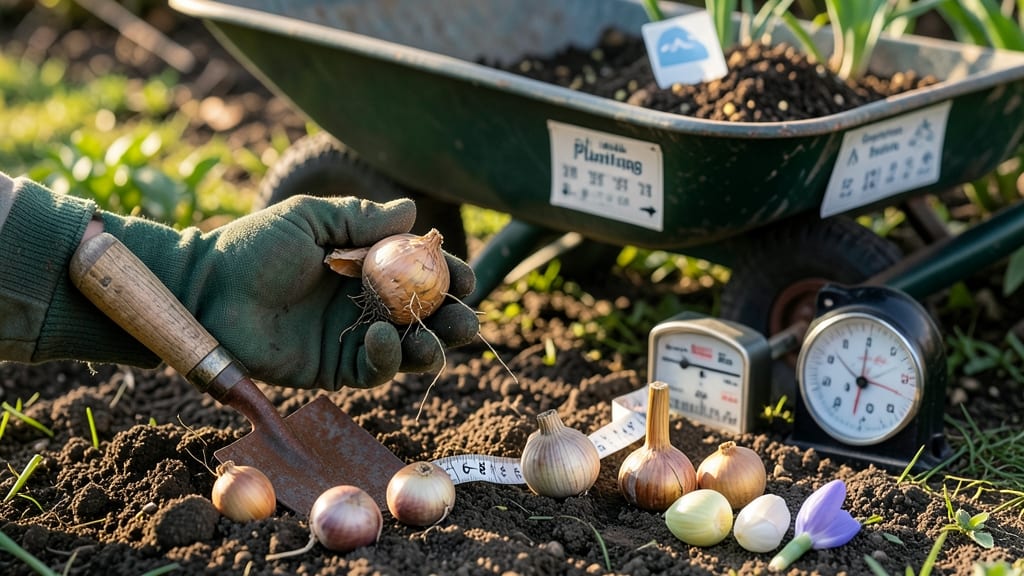
Planting bulbs in Houston isn’t just about grabbing a bag and digging a hole—it’s about outsmarting the city’s tricky climate to get perfect blooms every season. With 9a winters that rarely freeze and summers that can bake soil into concrete, timing matters more than most gardeners realize.
Most Houstonians still make the same mistakes: planting spring-blooming bulbs like daffodils too late, or assuming tropical varieties like cannas follow the same rules as tulips.
The truth? Your 🌱 bulbs (general) need specific windows—fall for spring flowers, early spring for fall blooms—and Houston’s humidity demands extra prep to avoid rot.
In this guide, I’ll break down the exact months to plant, which bulbs thrive here (and which to avoid), and how to prep your soil so you’re not left with wilted dreams by March. Skip the guesswork and let’s get those blooms growing right.
Whether you’re a first-time gardener or a Houston veteran, these tips will help you avoid the three biggest planting pitfalls—and turn your yard into a year-round showstopper.
Houston’s ideal bulb planting timeline by type (fall & spring)
Houston’s USDA Zone 9a climate gives you a longer planting window than most regions, but timing still matters. Most spring-flowering bulbs (like daffodils and tulips) need to be planted in fall—specifically between October and December—to establish roots before mild winters.
This ensures vibrant blooms by March or April.
For fall-flowering bulbs (such as crocus and hyacinth), aim for early spring planting—between February and March. These varieties thrive when planted just as the soil warms, avoiding Houston’s summer heat stress.
Tropical bulbs like cannas and dahlias are exceptions—they can be planted year-round, but spring (March–April) is ideal for peak growth.
Here’s the key: Houston’s soil temperature should be 60°F or cooler for fall planting. Use a soil thermometer to check—if it’s above 68°F, wait a few weeks. For spring planting, wait until the ground warms to 65°F to prevent rot.
Pro tip: Houston’s heavy clay soil drains poorly, so amend planting holes with compost or sand to improve drainage. This prevents bulbs from rotting during our humid winters. For containers, use a well-draining potting mix with perlite.
If you miss fall planting, don’t panic—some bulbs (like tulips) can tolerate January planting in Houston’s mild climate. However, they may bloom later or produce fewer flowers. For best results, stick to the October–December window.
Remember: Bulb depth matters. Plant most bulbs 2–3 times deeper than their diameter (e.g., a 2-inch tulip bulb goes 4–6 inches deep). In Houston’s clay, this extra depth helps protect them from temperature swings and flooding.
For container gardening, use bulbs that tolerate Houston’s heat, like daylilies or spider lilies. These thrive in pots and can be moved indoors during extreme heat waves. Just ensure containers have drainage holes to prevent root rot.
Finally, mark your calendar for Houston’s average frost dates: last frost is January 15, and first frost is December 15. While rare, these dates help guide your fall planting schedule for spring blooms.
3 Critical mistakes Houston gardeners make (and how to Fix them)
Even experienced Houstonians make these bulb-planting blunders—and they’re costing you vibrant blooms. The first mistake? Planting spring bulbs too late. Many gardeners wait until November or December, but by then, Houston’s soil temperatures often creep above 68°F, causing bulbs to rot before they can root.
Aim for October planting when soil is 60°F or cooler.
Here’s the fix: Use a soil thermometer to check temperatures before planting. If your soil is warmer than 65°F, wait 2–4 weeks. For tulips and hyacinths, this delay can mean the difference between full blooms and wilted stems.
Houston’s warm winters fool gardeners into thinking it’s safe to plant late. But bulbs need cool soil to root—68°F+ triggers rot. Always check with a thermometer before digging.
🔹 Fix: Plant October–November when soil is 60°F or cooler. Use mulch to keep roots cool.
The second common error? Skipping soil prep for Houston’s clay-heavy soil. Bulbs planted directly into unamended clay suffocate, leading to poor root growth and fungal diseases.
The solution is simple: Mix compost or sand into planting holes to improve drainage. For containers, use a well-draining potting mix with perlite or vermiculite.
Pro tip: If your yard has compacted clay, loosen the soil 12 inches deep before planting. This mimics Houston’s natural sandy loam and gives bulbs room to establish roots. For dahlias and cannas, add a 50/50 mix of compost and native soil to prevent waterlogging.
Houston’s heavy clay drains poorly, causing bulbs to drown or rot. Without amendments, even drought-tolerant bulbs struggle.
🔹 Fix: Amend holes with compost + sand (50/50). For containers, use cactus/succulent mix with perlite.
The third mistake? Overwatering after planting. Houston’s humid air already provides moisture, and bulbs planted in saturated soil rot within days. The key is deep but infrequent watering. Water once after planting, then wait until the soil is dry 1–2 inches down before watering again.
For container bulbs, let the top inch of soil dry out between waterings.
For tropical bulbs like cannas, reduce watering in summer to prevent root rot. These bulbs store water in their rhizomes and prefer drier conditions during Houston’s 90°F+ heat waves. A mulch layer (2–3 inches of straw) helps retain moisture while keeping roots cool.
Finally, avoid the temptation to fertilize newly planted bulbs. Fresh bulbs need time to establish roots before absorbing nutrients. Wait until spring shoots emerge (for fall-planted bulbs) before applying a balanced 5-10-10 fertilizer.
For tropical bulbs, fertilize lightly in spring and summer with a high-phosphorus formula to encourage blooms.
By fixing these three mistakes—correct soil temps, proper soil amendments, and smart watering—you’ll see healthier bulbs and longer bloom seasons in Houston’s climate. Start with these fixes this fall, and your garden will thank you next spring!