
Plants
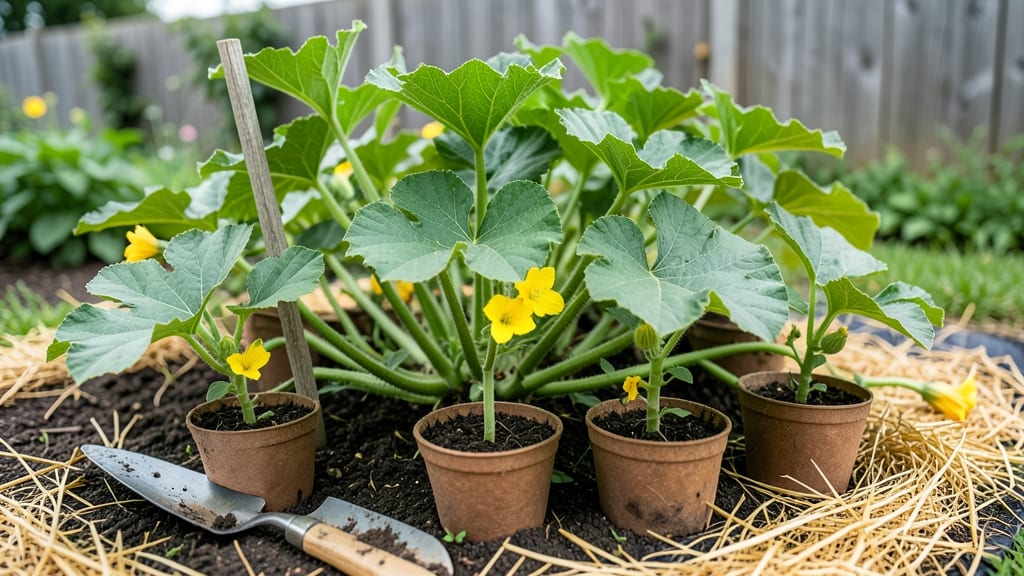
Knowing when to plant butternut squash in Florida can mean the difference between a sweet, abundant harvest and bitter, bolted plants that barely survive the heat. Unlike cooler climates, Florida’s 9a-11 zones offer two ideal windows—spring and fall—where temperatures play a critical role in success.
Spring planting (March-April) gives your 🎃 butternut squash a head start before summer’s relentless sun, while fall (July-August) lets you avoid early heat stress. But timing isn’t just about months—soil temps (aim for 60°F+) and variety choices matter just as much to prevent bolting or poor yields.
I’ll break down the exact months to plant, heat-tolerant varieties that thrive here, and Florida-specific tips to maximize your harvest. Whether you’re a first-time gardener or a seasoned grower, these insights will help you avoid common pitfalls and grow squash that’s sweeter and more productive.
Ready to turn your Florida garden into a butternut squash powerhouse? Let’s dive into the strategies that work—and why they matter for your climate.
Best planting months for butternut squash in Florida’s climate zones
Florida’s climate zones—ranging from 8A to 10A—create unique challenges for growing butternut squash. Unlike northern states, Florida gardeners don’t need to worry about frost, but heat stress and humidity demand precise timing to avoid bitter fruit or bolted plants.
The key is planting when soil temperatures stay above 60°F but before summer’s peak intensity triggers stress.
In Florida, the ideal planting windows are March-April for spring harvests and July-August for fall harvests. These months balance warm soil, moderate temperatures, and shorter daylight hours that prevent rapid bolting.
For example, planting in late March in Zone 9A gives you a harvest by June-July, while July plantings in Zone 10A mature by October-November.
Direct sowing is preferred over transplants because butternut squash hates root disturbance. However, if you start seeds indoors, transplant them 2-3 weeks before your target outdoor planting date to harden off in Florida’s heat.
Use black plastic mulch to warm soil faster and retain moisture during those critical early weeks.
Here’s how Florida’s zones break down for timing:
| Zone | Best Planting Months | Soil Temp Threshold | Harvest Window | Key Risk |
|---|---|---|---|---|
| 8A (North FL) | March 15-April 15 | 60°F+ | June-July | Late frost (rare) |
| 9A (Central FL) | March 1-April 30 | 65°F+ | May-July | Heat stress |
| 10A (South FL) | July 15-August 15 | 70°F+ | October-November | Humidity/mildew |
| All Zones (Fall) | July-August | 60°F+ | October-December | Hurricane season |
Avoid planting in May-June unless you’re in Zone 10A, where the heat can cause bolting (premature flowering) or blossom-end rot from inconsistent watering. Instead, opt for succession planting—sow every 2-3 weeks in your chosen window to stagger harvests and extend your yield.
For coastal Florida (e.g., Miami, Tampa), prioritize shade cloth during peak afternoon sun to protect young plants from 90°F+ temperatures. Inland areas like Orlando or Gainesville can handle direct sun better but still need drip irrigation to prevent stress during dry spells.
Pro tip: Use a soil thermometer to confirm 60°F+ soil temps before planting—cold soil delays germination. If temps drop below this threshold, wait 1-2 weeks or use row covers for early starts.
Timing isn’t just about months—it’s about microclimates. For example, high elevation areas (like parts of North Florida) may need earlier plantings to avoid summer heat, while low-lying coastal zones can push fall plantings into September if humidity stays manageable.
Finally, always check the UF/IFAS Extension for localized alerts on pests like cucumber beetles or squash vine borers, which thrive in Florida’s heat. Planting at the right time reduces their impact on young squash.
Best planting months for butternut squash in Florida’s climate zones
Florida’s warm climate means butternut squash can grow year-round, but timing is everything to avoid heat stress or premature bolting. The ideal window spans two seasons: spring (March-April) and fall (July-August). These months balance soil warmth and humidity levels to prevent bitter fruit or stunted growth.
Unlike northern states, Florida gardeners don’t need to worry about frost damage, but intense summer heat (above 90°F) can stress plants. The key is planting when soil temperatures hit 60°F+—a threshold critical for germination. Use a soil thermometer to confirm readiness before sowing seeds.
Direct sowing in March-April gives you a summer harvest (June-July), while July-August planting yields fall fruit (October-November). Transplants can go in 2-3 weeks earlier than seeds, giving them a head start in Florida’s heat.
For coastal areas (Zone 9A-10A), extend planting into May or September to avoid peak heat.
| Zone | Direct Sowing Window | Transplant Window | Harvest Window | Heat Risk |
|---|---|---|---|---|
| 8A (North FL) | March 15-April 15 | March 1-April 1 | June-July | Moderate |
| 9A (Central FL) | March 1-April 30 | February 15-April 15 | May-July | High (summer) |
| 10A (South FL) | February-May | January-April | April-August | Very High |
| 9B-10B (Coastal) | March-September | February-October | May-November | Moderate (cooler near water) |
For Zone 10A gardeners (e.g., Miami, Key West), year-round planting is possible, but focus on fall and winter to avoid 100°F+ temperatures. Use shade cloth (30-50%) during peak heat to protect young plants. In Zone 8A (North FL), prioritize spring planting to finish harvests before summer’s relentless sun.
Pro tip: Succession plant every 2 weeks in spring/fall to stagger harvests. This prevents overwhelming vines and ensures a steady supply. Pair with fast-maturing varieties (like 'Waltham') to maximize yields in Florida’s short 90-day growing windows.
Avoid planting in June-July unless using heat-tolerant varieties—this period often brings powdery mildew and blossom-end rot. Instead, opt for fall planting when humidity drops slightly, creating ideal conditions for healthy vine growth and sweet fruit development. 🎃