
Plants
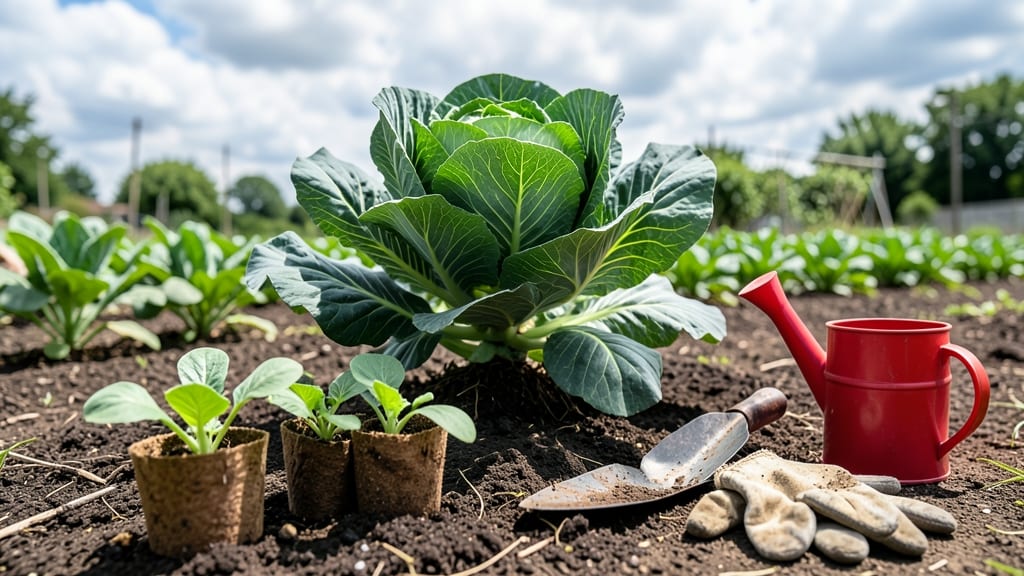
If you've ever wondered when to plant cabbage in Maryland and watched your 🥬 bolt into flower before reaching harvest size, you know timing is everything in Maryland's unpredictable climate.
The difference between a bumper crop and a bitter disappointment often comes down to matching your planting window with the chill hours your variety needs.
Maryland's USDA Zone 7a-8a gives us two clear opportunities: early spring and late summer. But getting it wrong means either waiting too long for spring harvests or watching fall crops suffer from heat stress.
The key is understanding when soil temperatures are just right—40°F to 50°F for seeds, 50°F to 60°F for transplants—and how Maryland's microclimates vary between Baltimore's urban heat and Western Maryland's cooler valleys.
I've spent years perfecting this timing for my own garden, and what I'm about to share will help you avoid the most common mistakes.
Whether you're planting March 15-April 30 for spring or August 1-September 15 for fall, these insights will give your cabbage the best possible start—no more wasted seeds or premature bolting.
Let's dive into the exact planting schedule that works for Maryland's growing seasons, so you can enjoy fresh 🥬 cabbage from June through November without the guesswork.
Maryland cabbage planting calendar by chill-hour requirements
Maryland’s USDA Zones 7a-8a create a unique challenge for growing cabbage. The key to success lies in matching your variety’s chill-hour needs (4000-5000°F) with Maryland’s seasonal temperature shifts.
Early varieties like 'Golden Acre' thrive with fewer chill hours, while late-season types need more. Let’s break down the perfect planting windows for your region.
For spring cabbage, aim to transplant 4-6 weeks before Maryland’s average last frost date (April 15). This means starting seeds indoors by mid-February or buying transplants in March.
Fall plantings should begin 10-12 weeks before the first frost (November 1), so sow seeds by early August for a late-October harvest.
Western Maryland’s cooler microclimates (like Cumberland) allow slightly earlier spring plantings, while the Baltimore/DC metro area may need to delay until late March to avoid frost damage. Always check your local frost dates—they can vary by 5-7 days year to year.
| Season | Variety Type | Chill Hours Needed | Transplant Window | Harvest Window |
|---|---|---|---|---|
| Spring | Early (e.g., 'Golden Acre') | 4000-4500°F | March 15 - April 1 | June - July |
| Spring | Mid (e.g., 'Market Price') | 4500-5000°F | March 20 - April 15 | June - July |
| Fall | Heat-Tolerant (e.g., 'Wisconsin Winter') | 4000-4500°F | August 1 - August 15 | October - November |
| Fall | Late (e.g., 'Late Flat Dutch') | 5000°F+ | August 15 - September 1 | October - November |
If you’re growing cabbage for storage, prioritize late-season varieties like 'Wisconsin Winter', which can handle Maryland’s cool fall temperatures without bolting. These varieties need 5000°F chill hours but reward you with heads that stay crisp through December if protected.
For container gardening in Maryland, choose dwarf varieties like 'Miniature Drumhead' and plant them 2-3 weeks earlier than in-ground cabbage. Containers warm up faster in spring, so monitor soil temperatures—they should stay above 45°F for consistent growth.
Pro tip: Use row covers to extend your spring planting window by 2-3 weeks. These protect young plants from late frosts while still allowing sunlight to penetrate. Remove covers when plants reach 6 inches tall to prevent overheating.
Remember, Maryland’s humid summers can stress cabbage plants. If you’re planting in July or August, opt for shade-tolerant varieties like 'Cavalo' and provide afternoon shade with 30% shade cloth during heatwaves.
Finally, keep a planting journal to track your success. Note which varieties perform best in your specific Maryland microclimate, whether you’re in the mountains, Piedmont, or coastal plain. Over time, you’ll refine your cabbage planting schedule to match your unique growing conditions.
Maryland cabbage planting calendar by chill-hour requirements
Maryland's USDA Zones 7a-8a create two distinct planting windows for cabbage: spring and fall. Each requires different timing based on chill-hour needs—the accumulated cold hours plants need to thrive.
Most cabbage varieties need between 4,000-5,000 chill hours, but Maryland's climate varies by region, with Baltimore/DC metro areas often 5-10°F warmer than Western Maryland.
For spring planting, aim for March 15-April 30, when soil temperatures reach 40°F-50°F. Fall planting should start August 1-September 15, with transplants going in 10-12 weeks before the first frost (around November 1). The key is avoiding both early frost damage and heat-induced bolting.
| Planting Window | Chill-Hour Needs | Best Varieties | Soil Temp | Maryland Region |
|---|---|---|---|---|
| March 15 - April 15 | 4,000-4,500°F | Early varieties (e.g., 'Golden Acre') | 40°F-50°F | Western MD, cooler valleys |
| March 30 - April 30 | 4,500-5,000°F | Mid-season (e.g., 'Market Price') | 50°F-60°F | Baltimore/DC metro |
| August 1 - August 15 | 3,500-4,000°F | Heat-tolerant (e.g., 'Wisconsin Winter') | 60°F-70°F | All regions |
| August 15 - September 15 | 4,000-4,500°F | Late varieties (e.g., 'January King') | 55°F-65°F | Western MD, cooler zones |
In Western Maryland, where chill hours are higher, you can push spring planting to April 15 safely. Meanwhile, the Baltimore/DC metro area should stick to March 15-April 15 to avoid heat stress.
For fall, prioritize August 15-September 1 for most varieties, as this gives them enough time to mature before frost.
Pro tip: Use a soil thermometer to confirm temperatures. Cabbage seeds need 40°F to germinate, while transplants thrive at 50°F-60°F. If your soil is too cold, wait—rushing leads to poor germination or stunted growth.
Remember, Maryland's 180 frost-free days limit your growing season. Spring cabbage should be ready by June-July, while fall crops need to harvest by October-November. Plan accordingly to maximize your yield without risking bolting or frost damage.
Timing is everything, and with this schedule, you'll avoid the most common pitfalls. Next, we'll cover how to keep your cabbage from bolting in Maryland's unpredictable heat waves.