
Plants
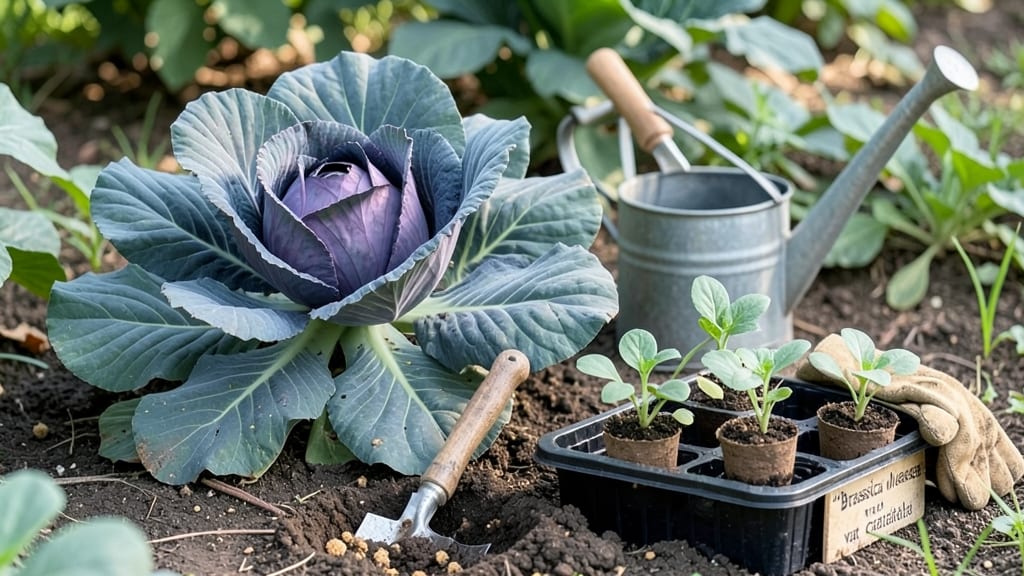
Timing your cabbage 🥬 planting in Missouri can make or break your harvest—get it wrong, and you’ll either lose plants to frost or watch them bolt before you even get a single crisp head.
The key to success lies in understanding your zone’s frost dates and working with Missouri’s 5b-6b climate, where a single misstep can turn your garden dreams into disappointment.
Most gardeners in Missouri know the drill: spring and fall are your two best windows, but nailing the exact dates matters more than you might think.
Plant too early, and a late frost will wipe out your seedlings; too late, and your cabbage will rush to flower before forming those tight, flavorful heads we all love. The solution?
A precise planting strategy that aligns with your local frost-free timeline—something I’ll break down so you can avoid common pitfalls.
What if I told you there’s a simple way to extend your growing season and squeeze in two harvests a year? Whether you’re a first-time gardener or a seasoned veteran, mastering these techniques will help you grow cabbage that’s sweeter, healthier, and ready to pick at the perfect moment.
Let’s dive into the exact dates and methods that work best for Missouri’s unique conditions.
From soil prep to hardening off seedlings, I’ll walk you through every step to ensure your cabbage thrives from seed to harvest. No more guesswork—just reliable, frost-smart planting that delivers bold, homegrown heads all season long.
Missouri cabbage planting deadlines by Zone (5a/5b) to avoid bolting
Missouri’s USDA Zones 5a/5b offer two prime windows for growing cabbage—spring and fall—but timing is everything. Plant too early, and a late frost will kill seedlings; too late, and your cabbage will bolt (flower prematurely) before forming heads.
The average last frost date in Missouri hovers around April 15, while the first frost typically arrives by October 15. These dates anchor your planting schedule.
For spring cabbage, start seeds indoors 4-6 weeks before your last frost date (around March 1-15) or sow directly outdoors 2-3 weeks before the last frost. Transplant seedlings 1-2 weeks after the last frost (early April) to ensure they establish roots before summer heat sets in.
This timing gives you 80-100 days to harvest before bolting risks rise.
Fall planting is trickier but equally rewarding. Begin seeds indoors 8-10 weeks before your first frost (around July 15-31) or sow directly outdoors August 1-15.
Transplant seedlings by mid-August to allow 60-80 days of growth before frost. This window ensures heads mature before cold snaps hit, delivering crisp fall harvests.
Missouri Cabbage Planting Timeline by Season
| Stage | Spring Planting (Zone 5a/5b) | Fall Planting (Zone 5a/5b) |
|---|---|---|
| Start Indoors | March 1-15 (4-6 weeks before last frost) | July 15-31 (8-10 weeks before first frost) |
| Direct Sow Outdoors | March 15-April 1 (2-3 weeks before last frost) | August 1-15 (for 60-day varieties) |
| Transplant Seedlings | Early April (1-2 weeks after last frost) | Mid-August (for 80-day varieties) |
| Harvest Window | June-July (80-100 days after transplant) | October-November (60-80 days after transplant) |
| Bolting Risk | Low (cooler spring temps) | High (late summer heat) |
🌱 Pro Tip: Use row covers to extend fall planting by 2-3 weeks and protect from early frosts.
Missouri’s Zone 5a (colder microclimates) has slightly earlier frost dates than Zone 5b, so adjust your schedule by 1-2 weeks earlier. For example, if your last frost is April 1 (Zone 5a), start seeds indoors by February 25 and transplant by late March.
Always check your local almanac or USDA frost maps for precise dates—even a 5-day shift can mean the difference between a thriving crop and a failed harvest.
Direct-sowing cabbage seeds in Missouri works best for early spring (before March 15) and late summer (after August 15). Seeds sown too late in spring (after April 15) face bolting risks as days lengthen.
For fall, avoid sowing after September 1, as seedlings won’t mature before frost. Instead, opt for transplants or succession planting every 2 weeks in August for a staggered harvest.
Soil temperature is another critical factor. Cabbage seeds germinate best in soil that’s at least 40°F, but seedlings thrive in 50-65°F soil. Use a soil thermometer to monitor conditions—if temps drop below 40°F, delay planting or use black plastic mulch to warm the soil faster.
In Missouri’s Zone 5a/5b, this often means waiting until mid-April for spring transplants.
Bolting is your biggest enemy in Missouri’s climate. Cabbage bolts when exposed to long daylight hours (14+ hours) or heat stress (above 80°F).
To prevent this, choose bolting-resistant varieties like ‘Golden Acre’ or ‘Red Express’, and avoid planting after June 1 for spring crops or before August 15 for fall crops. Shade cloth (30-50%) can also help during summer heatwaves.
For maximum yields, space cabbage plants 18-24 inches apart in rows 24-36 inches apart. This spacing improves air circulation, reducing disease risks like clubroot or downy mildew—common issues in Missouri’s humid summers. Mulch with straw or grass clippings
How to extend Missouri’s cabbage growing season for fall harvests
Missouri’s shorter growing season doesn’t have to limit your cabbage harvests. With the right techniques, you can push your planting windows to enjoy fall cabbage even when days grow shorter.
The key is understanding how to work with (and around) Missouri’s Zone 5a/5b climate, where temperatures drop quickly after Labor Day.
Many gardeners miss out on a second harvest because they assume cabbage can’t handle cooler weather—but cold-hardy varieties and protective strategies can extend your season by weeks.
By planting later in the summer and using simple tools like row covers, you can delay bolting and enjoy crisp heads well into October or even November.
Here’s how I’ve successfully grown fall cabbage in Missouri: start seeds indoors 6-8 weeks before your average first frost (typically mid-August for most areas), then transplant seedlings outdoors in early August. This timing gives your plants enough time to mature before cold sets in.
🌱 5 Proven Ways to Extend Your Missouri Cabbage Season
- 📅 Plant late: Start seeds indoors by July 15 for August transplanting, aiming for a 90-day harvest before frost.
- 🌡️ Choose cold-tolerant varieties: Opt for 'January King' or 'Winterbor'—these handle 25°F without bolting.
- 🛡️ Use row covers: Protect seedlings with floating row covers to extend harvest by 2-3 weeks after frost.
- 🌱 Succession plant: Sow a second batch of seeds 4 weeks after your first transplant for staggered harvests.
- 💡 Fertilize strategically: Apply a low-nitrogen fertilizer in early September to encourage head formation before cold.
One of my biggest mistakes was underestimating how quickly Missouri’s nights cool down. Without protective measures, cabbage heads can turn bitter or bolt prematurely. That’s why I now prioritize row covers—they’re lightweight, easy to install, and can add 5-10°F of warmth to protect young plants.
For gardeners in Zone 5a (colder regions like northern Missouri), focus on early-maturing varieties like 'Golden Acre', which can tolerate light frosts. In Zone 5b, you have more flexibility to experiment with later varieties like 'Red Express', which holds up well in cooler temps.
Remember, the goal isn’t just to delay frost—it’s to optimize growth so your cabbage develops tight, flavorful heads. With these techniques, I’ve harvested crisp cabbage as late as November 1st in Missouri, proving that fall planting is absolutely worth the effort. 🥬