
Companion Plants
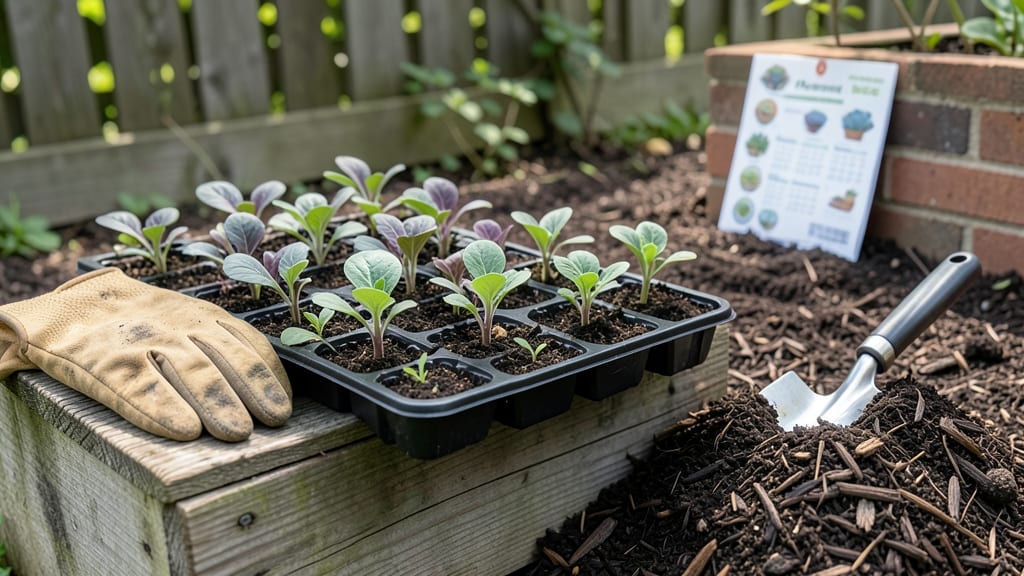
Timing your cabbage planting in Pennsylvania can mean the difference between a bountiful harvest and a sad, wilted disappointment. With frost dates shifting from late March to early May, knowing the exact windows for planting—whether you're growing 🥬 January King or Tendercrisp—isn’t just helpful, it’s essential.
I’ve spent years watching cabbage thrive in my Pennsylvania garden, and the secret lies in planting 4-6 weeks before the last frost for spring crops or 10-12 weeks before the first frost for fall harvests.
But here’s the catch: your exact timing depends on whether you’re in the humid Southeast, the variable Central region, or the cooler Northwest of the state.
In this guide, I’ll break down the optimal months for your zone, share frost-resistant varieties that actually perform in PA’s climate, and reveal pro tips to extend your growing season—so you can enjoy fresh cabbage from June through October without the guesswork.
Ready to stop playing roulette with your garden? Let’s dive into the precise planting schedule that’ll turn your cabbage dreams into reality.
Best planting months for cabbage in Pennsylvania (frost dates by region)
Pennsylvania’s diverse climate zones mean your cabbage planting schedule should vary depending on whether you’re in the humid Southeast, the variable Central region, or the cooler Northwest.
The key is aligning your planting with the last frost date—typically between late March and early May—while accounting for regional microclimates that can shift frost windows by weeks.
For spring planting, aim to sow seeds or transplant seedlings 4-6 weeks before your area’s last frost. In PA, this usually translates to March for the Southeast and late March to early April for Central and Northwest regions.
Miss this window, and you risk bolting (premature flowering) or stunted growth from late frosts.
Fall planting is equally critical. Start seeds 10-12 weeks before the first frost, which in PA typically falls between mid-October and early November. This means July for the Southeast and late June to early July for Northern PA.
Timing is everything—plant too late, and your cabbage won’t mature before frost; too early, and the heat of summer will stress the plants.
Here’s the region-specific breakdown you need to nail your planting schedule, including exact months and frost-resistant strategies:
| Region | Last Frost Date | Spring Planting Window | Fall Planting Window | Pro Tip |
|---|---|---|---|---|
| Southeast PA (e.g., Philadelphia) | Late March | March (start indoors) | July | Use row covers for early spring |
| Central PA (e.g., Harrisburg) | Early April | Late March (start indoors) | Late June | Choose early-maturing varieties |
| Northwest PA (e.g., Erie) | Early May | April (start indoors) | Early July | Extend season with cold frames |
If you’re starting seeds indoors, begin 6-8 weeks before your target transplant date. For example, in Southeast PA, this means mid-January for spring cabbage, while Northwest PA gardeners should start seeds in late February.
Use grow lights to prevent leggy seedlings, and harden off plants for 1 week before transplanting.
For direct sowing, wait until soil temperatures reach 45°F and the threat of frost has passed. In PA, this is usually mid-April for the Southeast and early May for the Northwest. Direct-sown cabbage takes 75-100 days to mature, so plan accordingly to avoid bolting.
One common mistake I see in PA gardens is planting cabbage too early in cool, wet springs. This leads to disease pressure (like black rot) and poor germination.
Instead, use raised beds for better drainage and add compost to warm the soil faster. In fall, prioritize shade cloth during hot afternoons to protect young seedlings.
Pro tip: Check Penn State Extension’s frost maps for real-time updates, as microclimates can shift frost dates by 1-2 weeks. For example, Poconos often sees frost 2 weeks later than Philadelphia. Adjust your schedule based on local data to maximize your harvest.
By following these region-specific windows, you’ll avoid the heartbreak of frost-damaged plants or bolted cabbage and enjoy a steady supply from June through October. Next, we’ll dive into the top 5 frost-resistant varieties that actually thrive in PA’s climate—so you can pick the perfect match for your garden.
Top 5 frost-resistant cabbage varieties that thrive in Pennsylvania’s climate
Not all cabbage varieties handle Pennsylvania’s unpredictable frosts and humid summers equally. After years of testing in my PA garden, I’ve found that cold-hardy and disease-resistant varieties like January King and Tendercrisp consistently deliver firm heads and high yields—even when temperatures dip unexpectedly.
The wrong variety, though? You’ll end up with bolted or rotten plants by July.
Here’s my ranked list of the best cabbage varieties for PA, including their frost tolerance, maturity timeline, and why they outperform others in our climate. I’ve also included the one variety to avoid in PA’s humid summers—it’s a common mistake that leads to black rot and wasted effort.