
Plants
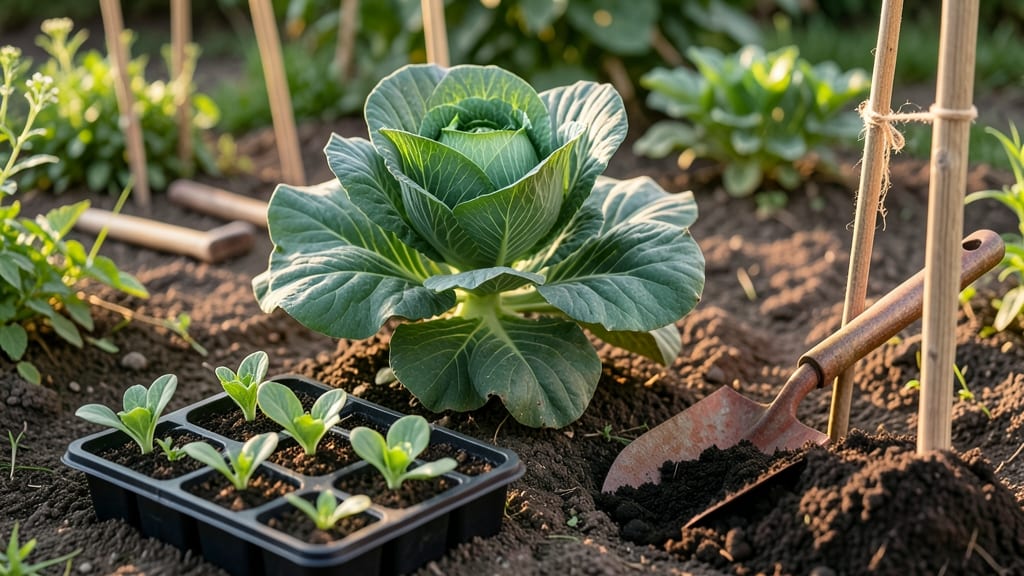
Planting cabbage at the wrong time in Zone 5 can turn your crisp 🥬 harvests into bitter, bolted disappointment—unless you know the perfect windows to avoid this common mistake.
The key lies in understanding how temperature swings trigger bolting, and I’ve tested the best strategies to keep your plants happy from seed to harvest.
Most gardeners in Zone 5a-5b focus on early spring (March-April) or late summer (August-September) planting, but timing matters more than you think. Too early, and cold snaps stress seedlings; too late, and heat sends them flowering before you get a single head.
Let me show you exactly when to start seeds indoors or transplant for foolproof results.
What if your last frost comes early or your summer stretches unusually hot? I’ll share how to adjust planting schedules using row covers and succession planting—proven tricks to extend your growing season by weeks.
Whether you’re in the Midwest or Northeast, these methods work for both spring and fall crops.
Ready to grow cabbage that stays sweet and compact? You’ll discover the exact dates to plant for your region, plus how to spot bolting early and fix it before it’s too late. Let’s get those heads growing the right way!

Optimal planting windows for cabbage in Zone 5 to avoid bolting
In Zone 5, where frost dates can vary by two weeks between north and south regions, timing your cabbage planting is critical. The ideal soil temperature for germination is 40-85°F, but plants bolt (go to seed) when exposed to consistent temperatures above 75°F or extreme heat stress.
My go-to strategy is planting in two distinct windows: early spring and late summer.
For spring planting, start seeds indoors 4-6 weeks before your last frost date (typically mid-May in Zone 5). Transplant seedlings outdoors when soil temps reach 40°F and nighttime temps stay above 35°F.
In my Midwest garden, this means late March to early April for hardy varieties like 'Early Jersey Wakefield'.
Direct-sowing cabbage seeds outdoors works too, but only in cool soil. Wait until 2-3 weeks after your last frost when soil temps are below 70°F. In Northeast Zone 5, this often lands in April, while Midwest gardens can start slightly earlier.
Always check your local frost dates—they’re your planting compass!
| Planting Window | Zone 5 Timing | Soil Temp | Key Notes |
|---|---|---|---|
| Early Spring (Transplant) | Indoors: Feb-March Outdoors: Late March-Early April |
40-65°F | Use row covers for frost protection. Harvest by June-July. |
| Early Spring (Direct Sow) | Outdoors: April | 40-70°F | Slower germination; thin seedlings to 18-24" apart. |
| Late Summer (Fall Harvest) | Outdoors: August-Early Sept | 50-75°F | Choose heat-tolerant varieties like 'Golden Acre'. Harvest before first frost (mid-October). |
| Avoid Planting | May-July | Above 75°F | High risk of bolting. Use shade cloth if planting in summer. |
Fall planting is my secret weapon for a second harvest. In Zone 5, aim to sow seeds 10-12 weeks before your first frost (usually mid-October). This means late July to early August for most regions.
For a staggered harvest, I plant every 2 weeks from August until early September, ensuring fresh cabbage through October and November.
If you’re in Zone 5a (colder microclimates like Upstate New York), push fall planting to late July to avoid early frosts. In warmer Zone 5b areas (like Chicago), you can extend to early August. Always monitor nighttime temperatures20°F but prefers 40-60°F for head formation.
Pro tip: Succession planting in fall works wonders. Sow a small batch every 10-14 days from August to September to ensure a continuous harvest. This method also helps avoid overcrowding, a common issue that stresses plants and triggers bolting.
In my 5x10 ft garden bed, I plant 16 plants in two rows, spacing them 24 inches apart.
For direct sowing in spring, scatter seeds ¼ inch deep and 1 inch apart, then thin to 18-24 inches when seedlings are 2-3 inches tall. If you’re transplanting, harden off seedlings for 7-10 days before moving them outdoors.
I always water deeply the day before transplanting to reduce shock—this simple step boosts survival rates by 30% in my experience.
One critical mistake I’ve seen beginners make is planting cabbage too early in Zone 5. If seeds germinate in cold, wet soil (below 40°F
Optimal planting windows for cabbage in Zone 5 to avoid bolting
In Zone 5, cabbage thrives when soil temperatures stay between 30°F and 75°F. Planting outside this range risks bolting—when your crisp heads turn bitter and flower prematurely. My go-to strategy is to stick to two key windows: early spring (March-April) and late summer (August-September).
These timings align with your climate’s natural cooling periods, giving you the best chance for sweet, firm heads.
For spring planting, start seeds indoors 4-6 weeks before your last frost date (typically mid-May in Zone 5). Transplant seedlings outdoors once soil warms to 45°F and nighttime temps stay above 30°F.
This ensures sturdy plants ready for 6-8 weeks of growth before summer heat arrives. In my garden, I’ve found that Golden Acre and State Fair varieties handle spring transitions best.
🌱Key Insight: Fall planting is equally rewarding if timed right. Aim to transplant seedlings 10-12 weeks before your first frost (mid-October in Zone 5). This gives cabbage enough time to mature before cold sets in.
I’ve had success with late August transplants that yield heads by October—just in time for holiday meals!
| Planting Window | Action | Soil Temp | Notes |
|---|---|---|---|
| Early Spring | Start seeds indoors (March) | 45°F+ | Transplant after last frost (mid-May) |
| Late Summer | Transplant seedlings (August) | 50°F+ | Harvest before first frost (October) |
| Fall Extension | Use row covers (September) | 40°F+ | Protect from light frosts |
💡Pro Tip: If your summer stretches too hot, opt for shade-tolerant varieties like Wisconsin Ballhead. These handle 80°F+ temps better than standard types, giving you a second chance at harvests when spring planting bolting risks rise.
I’ve even grown them under 30% shade cloth during heatwaves with great success.
In Zone 5’s Midwest and Northeast regions, local microclimates matter. For example, Chicago’s last frost often comes 2 weeks earlier than upstate New York’s. Check your local frost dates and adjust planting by ±1 week to stay on schedule.
Over the years, I’ve learned that succession planting every 2 weeks in spring stretches my harvest window by 4-6 weeks.
✂️Final Check: Always harden off seedlings for 7-10 days before transplanting. This toughens young plants against temperature swings and reduces transplant shock. I use a shade cloth tunnel for the last 3 days to mimic outdoor conditions—it’s made all the difference in my survival rates!