
Plants
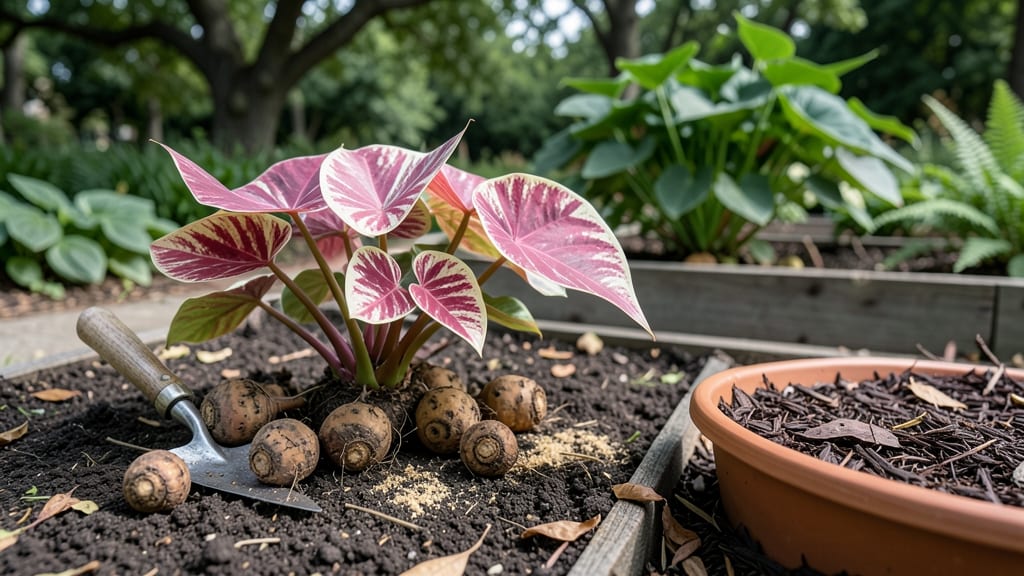
Planting your Caladium bulbs 🌿 at the wrong time in Florida can mean the difference between lush, vibrant foliage and sad, wilted leaves before they even get started.
The key to success lies in understanding when the soil warms up enough to support these tropical beauties without inviting rot or stress.
If you've ever watched your caladiums struggle in Florida's heat or wondered why some gardeners seem to get perfect results while others don't, timing is the most important factor. Unlike cooler climates, Florida's 9a-11 zones demand a different approach—one that accounts for our early spring warmth and summer humidity.
In this guide, I'll show you exactly when to plant your caladium bulbs for maximum impact, whether you're in North Florida's cooler areas or South Florida's steamy heat. You'll learn the perfect window, how to prepare your soil, and simple care tips to keep your plants thriving all season long.
Don't let another growing season slip by with less-than-stellar results. With the right timing and a few smart strategies, your caladiums will reward you with stunning foliage that makes your garden the envy of the neighborhood.
Optimal Florida planting windows for caladium bulbs by region
Planting caladium bulbs in Florida isn’t a one-size-fits-all scenario—your region dictates the perfect window to avoid frost damage or overheating. North Florida’s cooler winters demand earlier planting, while South Florida’s year-round warmth allows for more flexibility.
Let’s break it down by zone to ensure your ‘White Queen’ or ‘Candidum’ varieties thrive.
The golden rule? Wait until the soil reaches 60-65°F—any cooler, and your bulbs risk rot. Use a soil thermometer to check, especially in North Florida where temperatures dip lower.
In Central Florida, aim for mid-February, while South Florida gardeners can start as early as January or even late December in frost-free zones.
🌱
| Region | Planting Window | Soil Temp Threshold | Key Consideration |
|---|---|---|---|
| North Florida (Panhandle) | Mid-February to early March | 65°F minimum | Last frost risk (Jan 15) |
| Central Florida (Orlando/Tampa) | Late January to mid-February | 60°F minimum | Humidity spikes in March |
| South Florida (Miami/Fort Lauderdale) | January to early February | 55°F minimum (rare risk) | Year-round warmth; extend season |
In North Florida, where frosts linger until mid-January, hold off until you’ve seen three consecutive days above 60°F.
This typically lands in late February, giving your bulbs time to establish roots before summer’s intensity. Central Florida offers a wider window, but don’t rush—planting too early can lead to bulb dormancy if the soil stays cool.
South Florida gardeners enjoy the luxury of planting as early as January, but watch for unpredictable cold snaps (yes, they happen!).
If you’re in Zone 10 or 11, you can even push planting to late December for a head start, though summer’s heat will demand extra shade and water.
Pro tip: Use black plastic mulch to warm soil faster in cooler regions. Lay it down 2-3 weeks before planting to accelerate the process. For container growing, this hack is even more critical—pots heat up slower than in-ground soil.
🌿
Timing isn’t just about the calendar—it’s about weather patterns. Check your local Almanac for historical frost dates and adjust accordingly. For example, Apalachicola (North FL) averages its last frost on January 15, while Key West rarely sees frost.
Planting too early in North FL risks bulb rot; too late, and your caladiums may bolt before showcasing their show-stopping foliage.
Once planted, focus on consistent moisture and partial shade to prevent stress. Mulch with 3-4 inches of organic matter to retain soil warmth and suppress weeds.
With the right timing, your caladiums will reward you with vibrant, heart-shaped leaves by late spring, turning your garden into a living art piece.
☀️
5 Signs your Florida soil is ready for caladium bulbs (and 3 mistakes to avoid)
Before you rush to plant your caladium bulbs 🌿, your Florida soil needs to hit the sweet spot—warm enough to prevent rot but not so hot it stresses the bulbs.
I’ve learned the hard way that ignoring these signs can lead to disappointing results, so let’s break down what to watch for and what to avoid.
First, check your soil temperature—it should consistently reach 60-65°F at a depth of 3 inches. Use a soil thermometer for accuracy, especially in North Florida where cooler nights linger longer. This temperature range mimics the bulbs’ tropical origins and signals it’s time to plant.
Next, look for azalea blooms in your area. When these shade-loving shrubs burst into color, it’s a natural cue that your soil has warmed enough for caladiums to thrive. This trick works because azaleas and caladiums share similar growing conditions—partial shade and moist, well-draining soil.
Another key sign is moisture balance. Your soil should feel damp but not soggy to the touch. If it’s bone-dry, your bulbs will struggle to establish roots. On the flip side, if it’s waterlogged, you risk bulb rot, a common issue in Florida’s heavy clay soils.
Here’s where many gardeners go wrong: they plant too early in January when soil temperatures are still chilly, or they skip soil prep entirely. Both mistakes can lead to stunted growth or bulb failure.
Instead, wait until mid-February to March for most of Florida, adjusting slightly for your specific region.
Now, let’s talk about the three mistakes that can derail your caladiums before they even sprout. First, overwatering pre-planting—caladium bulbs need moisture, but soggy soil invites fungal diseases. Second, ignoring drainage in clay-heavy soils is a recipe for rot.
Amend your soil with compost or perlite if needed. Finally, planting too deep (more than 4 inches) can suffocate the bulbs and prevent proper growth.
By paying attention to these signs and avoiding these pitfalls, you’ll set your caladiums up for success. Once planted, focus on consistent moisture and partial shade to keep their foliage vibrant all season long.
Your garden will thank you with a dazzling display of heartleaf or flamingo varieties that steal the show! 🌷