
Plants
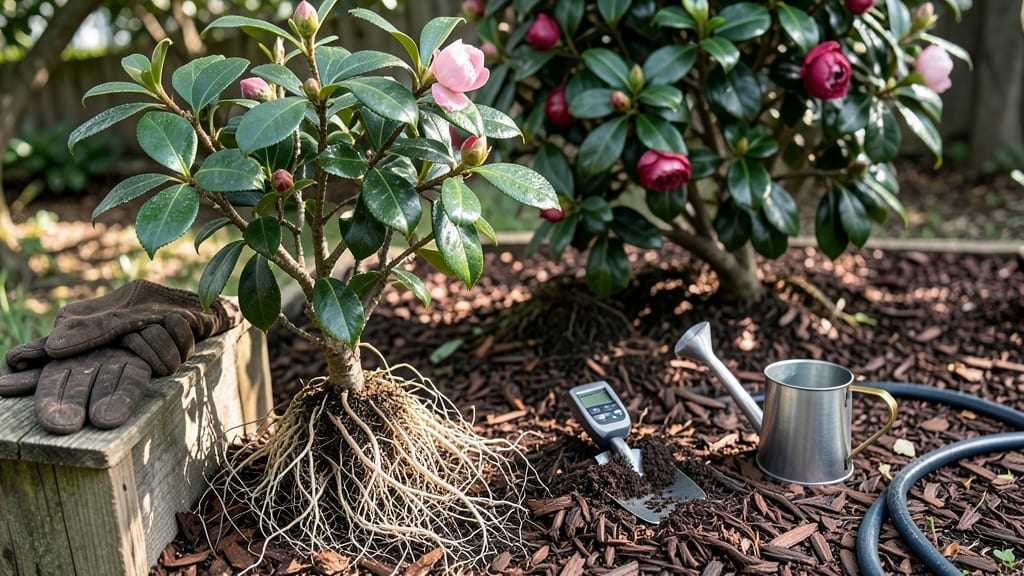
If you're wondering when to plant camellias in Zone 9, timing is the secret to those stunning 🌸 blooms that make your garden stand out.
Unlike cooler climates, Zone 9's warm winters and intense summers demand a smarter approach—plant too early, and your camellias will struggle with heat stress; too late, and they might not establish strong roots before summer hits.
For the best results in Zone 9, late fall to early spring (November through February) is your sweet spot. This window lets your camellias settle in before the real heat arrives, giving them a head start on root growth.
Think of it as giving your plants a gentle introduction to the season rather than throwing them into the deep end.
Why does this matter? Because in Zone 9, where summers can be brutal and winters are mild, your camellias need time to adapt. Planting during these cooler months means less stress on the roots and more energy going toward blooming when spring rolls around.
Plus, you’ll avoid the common mistake of planting in the heat, which can shock young plants.
Ready to learn the exact steps to make your camellias thrive? I’ll walk you through the best months, soil prep, and even how to protect them from Zone 9’s unique climate challenges. Let’s get those 🌸 beauties growing strong!

Best months to plant camellias in Zone 9 for maximum success
Camellias thrive in Zone 9’s mild winters and warm summers, but timing your planting is critical. Unlike cooler zones, Zone 9’s year-round growing potential means avoiding summer heat stress is key.
The ideal window spans from late fall to early spring, when soil temps stay cool and humidity levels are higher.
Most gardeners in Zone 9 plant camellias between November and February, allowing roots to establish before summer’s peak. This timing also helps young plants avoid heat shock and drought stress, which can stunt growth. Coastal areas may extend planting slightly later due to milder microclimates.
Here’s the breakdown of why these months work best: November-December offers cooler soil temps (ideal for root growth), while January-February provides moisture without extreme heat. Planting in March or later risks exposing roots to intense Zone 9 sun and dry winds.
🌸
For coastal Zone 9 gardens, extend planting into March thanks to ocean breezes that moderate temps. Inland areas should stick to November-February to avoid summer drought and intense afternoon sun. Always check your local last frost date—though Zone 9 rarely freezes, unexpected cold snaps can occur.
Pro tip: Soak roots before planting to reduce transplant shock. Use well-draining, acidic soil (pH 5.5-6.5) and mulch heavily to retain moisture. Avoid planting during heatwaves (above 90°F/32°C), as roots can dry out quickly.
If you miss the ideal window, spring planting in April is still possible with extra care—just provide afternoon shade and daily watering for the first 30 days. Summer planting (May-August) is risky but can work for container-grown camellias with deep shade and consistent moisture.
🌿
Remember: Camellias are slow to establish—rushing planting can lead to stunted growth or poor blooming. Give your plants 6-12 months to settle before expecting vibrant flowers. Patience pays off with lush foliage and showstopping blooms for decades!
How to prepare camellias for Zone 9’s unique climate challenges
Zone 9’s subtropical climate brings intense summer heat and mild winters, which can stress young camellias if not prepared properly. Unlike cooler zones, your plants need extra protection from heat stress and soil moisture fluctuations.
The key is creating the right conditions to mimic their natural humid, shaded habitats in East Asia.
Start by choosing a planting location with partial shade—especially in afternoon sun, which is most intense in Zone 9. East-facing spots work well, while south-facing areas should have dappled shade from nearby trees.
Avoid full sun, which can scorch leaves and dry out roots faster than your camellias can absorb moisture.
🌿
⚠️ Avoid These Zone 9 Mistakes
❌ Planting in full sun – Leads to leaf scorch and root dehydration in summer.
❌ Skipping mulch – Dry winds and intense sun evaporate moisture too quickly.
❌ Overwatering in winter – Cold snaps (rare but possible) can cause root rot if soil stays soggy.
Next, focus on soil preparation. Camellias thrive in acidic, well-draining soil with a pH of 5.5-6.5. If your native soil is alkaline, amend it with peat moss or sulfur before planting. Mix in compost for organic matter to help retain moisture during Zone 9’s dry spells.
A 3-inch layer of mulch (pine bark or wood chips) around the base will lock in moisture and regulate soil temperature.
Watering is critical in Zone 9. Newly planted camellias need deep, infrequent watering—about 1-2 gallons per plant every 5-7 days during summer. Water early in the morning to reduce evaporation and prevent fungal diseases.
In winter, cut back to bi-weekly watering unless you’re experiencing unusually dry conditions. Always check soil moisture by sticking your finger 2 inches deep—if it’s dry, water again.
Finally, protect young camellias from Zone 9’s occasional cold snaps (below 30°F). While mature plants handle mild winters well, newly planted camellias may need light frost cloth or a thick mulch layer (4-6 inches) for the first 2-3 winters.
This extra insulation prevents root shock and leaf damage from unexpected chilly nights.
With these Zone 9-specific prep steps, your camellias will establish strong roots and bloom beautifully for years to come—even in the heat! 🌸