
Plants
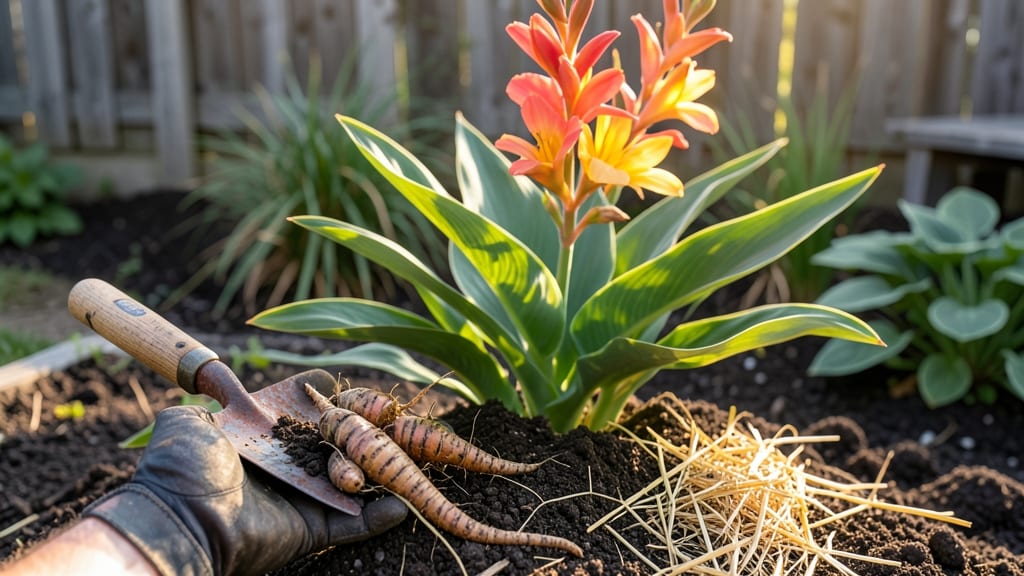
If you've ever watched your Canna Lily 🌸 bulbs wilt before they even bloom, you know the key to success lies in when to plant canna bulbs in Kansas—especially in the state's fickle spring.
Planting these heat-loving beauties too early means soggy, rotting rhizomes, while waiting too long cuts short their stunning summer display.
The perfect window for Kansas gardeners in zones 6-7 is late April through mid-May, just after your last frost date. But here's the catch: soil temperature matters more than the calendar.
Cold, damp earth will choke your cannas before they get started, so we'll show you how to check for that crucial warmth signal.
What you'll discover here isn't just about dates—it's about localized strategies that work for Kansas' clay-heavy soils and unpredictable weather. From prepping your bulbs to protecting them from late frosts, we've got the game-changer tips that'll have your cannas thriving when summer arrives.
Ready to transform your garden into a showstopping display of fiery blooms? Let's dive into the exact steps that'll have your cannas reaching for the sky by June—and keeping you in flowers until frost.
Best planting dates for canna bulbs in Kansas by Zone 6-7
Canna lilies are heat-loving tropicals that despise cold soil—so timing is critical in Kansas’ Zone 6-7 climate. Plant too early, and your rhizomes will rot in chilly, damp soil.
Wait too long, and you’ll miss the summer bloom window. Here’s the exact schedule to maximize your fiery 🌸 flowers.
For Zone 6 (northern KS), aim for mid-May to early June after the last frost (typically April 15) and when soil reaches 60°F+. In Zone 7 (southern KS), you can plant 2-3 weeks earlier, around late April to mid-May.
Use these dates as your planting baseline.
Kansas’ unpredictable springs mean you may need backup dates. If frost lingers, wait until May 15—even if it delays blooms. For container gardening, you can plant 1-2 weeks later since pots warm faster in full sun.
Soil temperature is your #1 guide. Use a soil thermometer to confirm 60°F+ at 4” depth. If your soil is below 55°F, hold off—canna rhizomes rot in cold, wet conditions. This is especially true in clay-heavy KS soils, which stay cold longer.
🌱 Kansas Canna Planting Timeline
| Zone | Ideal Planting Window | Soil Temp Threshold | Backup Date | Bloom Expectation |
|---|---|---|---|---|
| Zone 6 | Mid-May to Early June | 60°F+ | May 15 (latest) | July–October |
| Zone 7 | Late April–Mid-May | 60°F+ | May 1 (latest) | June–November |
| Containers (Both Zones) | Early June (1-2 weeks later) | 55°F+ (pots warm faster) | June 15 | July–September |
💡 Pro Tip: Mark your last frost date + 4-6 weeks as your planting deadline.
If you’re chitting canna bulbs indoors (sprouting them early), start 6-8 weeks before your target outdoor date. Place rhizomes in trays with moist peat moss under grow lights or near a south-facing window. Once sprouts reach 2-3 inches, they’re ready to harden off and plant.
For direct-sown rhizomes, avoid the temptation to plant early. Even if your last frost passed, soil may still be too cold. Test with a soil thermometer—if it’s below 60°F, wait. Cold soil = rot, and there’s no saving soggy rhizomes.
Once planted, mulch heavily with straw or shredded leaves to insulate roots and retain heat. In Zone 6, a black plastic mulch can add 5-10°F to soil temperature, giving your cannas an earlier start. Remove mulch in fall to prevent overheating during dormancy.
Remember, cannas are not winter-hardy in Kansas—they’re tender perennials treated as annuals here. Dig up and store rhizomes before first frost (mid-October). If you skip this step, your bulbs will freeze and die.
For extended blooms, deadhead spent flowers and fertilize every 4-6 weeks with a balanced 10-10-10 mix. In Zone 7, you might even get a second flush of blooms in late summer if you keep plants healthy.
🌿 Final Tip: If you miss the spring window, don’t despair—cannas thrive when planted through early summer. Just be prepared for smaller plants and later blooms.
Best planting dates for canna bulbs in Kansas by Zone 6-7
Kansas’ Zone 6-7 climate means your canna bulbs 🌸 need precise timing—plant too soon and they’ll rot in cold, damp soil; wait too long and you’ll miss peak summer blooms.
The ideal window is after your last frost date, typically late April to mid-May, but soil temperature is your true guide.
Use a soil thermometer to confirm the ground has warmed to at least 60°F (15°C). In Kansas, this usually aligns with May 1-15 for Zone 6 and April 25-May 10 for Zone 7. If you’re in doubt, wait—cannas hate soggy starts more than they love early warmth.
| Zone | Last Frost Date | Ideal Planting Window | Backup Date (Late Spring) |
|---|---|---|---|
| Zone 6 | April 15 | May 1-15 (soil 60°F+) | June 1 (if late) |
| Zone 7 | April 1 | April 25-May 10 | May 20 (if late) |
For Zone 6 gardeners, mark your calendar for Mother’s Day weekend (May 12-14) as a safe bet—this gives your cannas a head start before summer heat arrives.
In Zone 7, you can push it slightly earlier, but avoid planting before April 20 unless you’re using row covers for frost protection.
Pro tip: If you’re in southeastern Kansas (Zone 7b), where springs warm faster, you might see cannas blooming by early July if planted by May 1. Northern Kansas (Zone 6a) gardeners should hold off until after May 10 to avoid frost surprises.
Don’t have a soil thermometer? Watch for dandelions blooming—they’re your signal that the ground is warming up. Once they’re in full bloom, it’s time to plant! Just be sure to harden off your bulbs for 3-5 days if you’ve been storing them indoors.
Remember, cannas are tender perennials in Kansas—they’ll die back in winter but return if you dig and store rhizomes (or leave them in the ground in Zone 7 with heavy mulch). Planting at the right time ensures they’ll reward you with 6-foot-tall blooms from July to frost.