
Plants
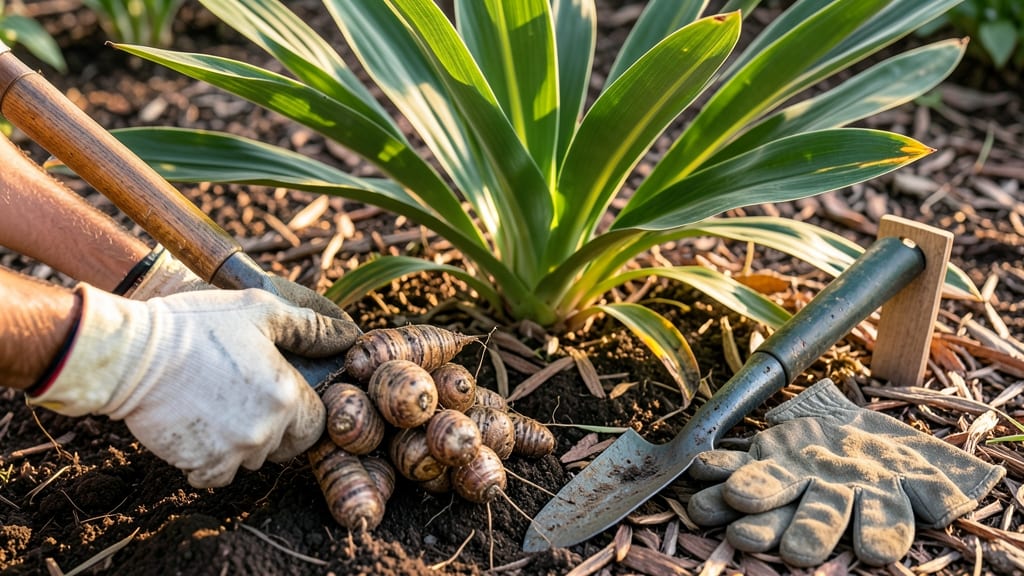
Planting your 🌺 canna bulbs in Texas at the wrong time can mean the difference between a vibrant summer garden and a sad pile of mush—because these tropical beauties hate cold snaps.
Whether you're in North Texas where frost lingers or South Texas where heat arrives early, getting the timing right is the key to those bold, show-stopping blooms you’re dreaming of.
Most Texas gardeners wait until March or April after the last frost date, but that’s not a one-size-fits-all rule. In Zone 8a, where freezes can sneak in until February, you’ll want to hold off until soil warms to at least 60°F.
Meanwhile, in Zone 11, where the ground stays toasty year-round, you can even plant as early as February—just keep an eye on those unpredictable spring storms.
Here’s the game-changer: planting too early means your bulbs will rot, while waiting too long cuts your blooming season short. I’ll break down the exact windows for your region, plus how to prep your soil and spot the perfect moment when those bulbs are ready to go in.
No more guesswork—just zero-frost success.
Ready to turn your Texas garden into a canna paradise? Let’s dive into the heat-zone map and the 3 mistakes that kill cannas before they even sprout. Your summer color show starts now.
Texas heat-Zone map: best planting months by region (avoid frost!)
Texas’ vast size means canna bulbs face wildly different conditions from North Texas’ chilly winters to South Texas’ near-tropical heat. The key? Planting after your last frost date—but not so late that cannas struggle to establish before summer’s brutal heat.
Let’s break it down by USDA zones and heat regions.
Texas spans 11 heat zones (from Zone 7b to 10a), each with its own frost timeline. For example, Dallas (Zone 8a) averages its last frost around February 15, while Houston (Zone 9a) rarely sees frost at all.
South Texas gardeners can plant as early as January, but North Texas gardeners should wait until mid-March to avoid frost damage.
Pro tip: Use a soil thermometer to confirm soil temps are above 60°F before planting. Cannas thrive in warm soil, and cooler temps can stunt growth. In North Texas, wait until nighttime temps stay above 55°F consistently to avoid bulb rot.
For South Texas gardeners, you’ve got flexibility—plant as early as January in Zone 9a/10a, but be mindful of humidity and fungal risks. Mulch heavily to retain moisture and suppress weeds, which compete with cannas for nutrients during their critical first 60 days of growth.
If you’re in Zone 8a or colder, consider starting canna bulbs indoors under grow lights 4–6 weeks before your last frost date. This gives them a head start, ensuring they’re established and blooming by summer’s peak heat.
Just remember: Cannas hate transplant shock, so harden them off gradually before moving outdoors.
One common mistake? Planting too deep. Cannas need 2–4 inches of soil coverage, but their rhizomes (bulbs) should sit just below the soil surface. Planting too deep can cause rot, while planting too shallow may expose them to freeze damage in North Texas.
Aim for 12–18 inches between bulbs to give them room to spread.
Finally, watering strategy changes by region. In dry West Texas, deep water 2–3 times per week after planting to encourage root growth. In humid East Texas, reduce watering slightly to avoid fungal diseases like root rot. Always water at the base of the plant,
5 Signs your canna bulbs are ready to plant (and 3 mistakes to avoid)
Before you rush to plant your canna bulbs in Texas, check for these 5 key readiness signs—skipping these steps often leads to bulbs that rot or fail to bloom.
First, inspect the bulb size: aim for ones at least 2 inches wide, as smaller bulbs may not have enough energy to establish roots in Texas’ heat. Larger bulbs (3+ inches) store more nutrients, giving you a head start on those summer blooms.
Next, look for firmness—healthy bulbs feel solid, not squishy or wrinkled. A wrinkled bulb signals dehydration, while a mushy one means it’s already rotting. If you spot any soft spots, toss it—those bulbs won’t survive Texas’ 90°F+ summers once planted.
Pro tip: Soak questionable bulbs in lukewarm water for 1 hour to rehydrate them before planting.
🌱
- ✅ Bulb size: 2+ inches in diameter (larger = more blooms)
- ✅ Firm texture: Solid, no soft spots or wrinkles
- ✅ Sprout emergence: Tiny green shoots (1/4 inch) mean active growth
- ✅ No mold: No fuzzy growth or foul odors
- ✅ Soil temp: 60°F+ (use a soil thermometer!)
Now, let’s talk soil prep—Texas clay or sandy soil won’t cut it. Amend your beds with compost or aged manure to improve drainage, since cannas hate soggy roots. Test your soil’s pH too: cannas thrive in 6.0-7.0.
If your soil is too acidic, add lime; if alkaline, mix in sulfur. A quick fix? Plant in raised beds filled with a 50/50 mix of garden soil and compost.
Here’s where many Texas gardeners go wrong: planting too deep. Canna bulbs need to sit just 2-4 inches below soil—any deeper, and they’ll struggle to sprout. Mark your planting spots with stakes to avoid burying them accidentally.
Also, avoid overwatering right after planting; cannas need moist but not waterlogged soil. Water deeply once, then wait until the top inch of soil dries before watering again.
Finally, watch for sprout emergence. Once you see those first green shoots (about 1/4 inch tall), your bulbs are ready to handle Texas’ intense sun. At this stage, increase watering to 1 inch per week and apply a balanced fertilizer (5-10-10) to kickstart growth.
If you plant after sprouts appear, you’ll miss out on 3-4 weeks of blooms—worth the wait!
✂️