
Plants
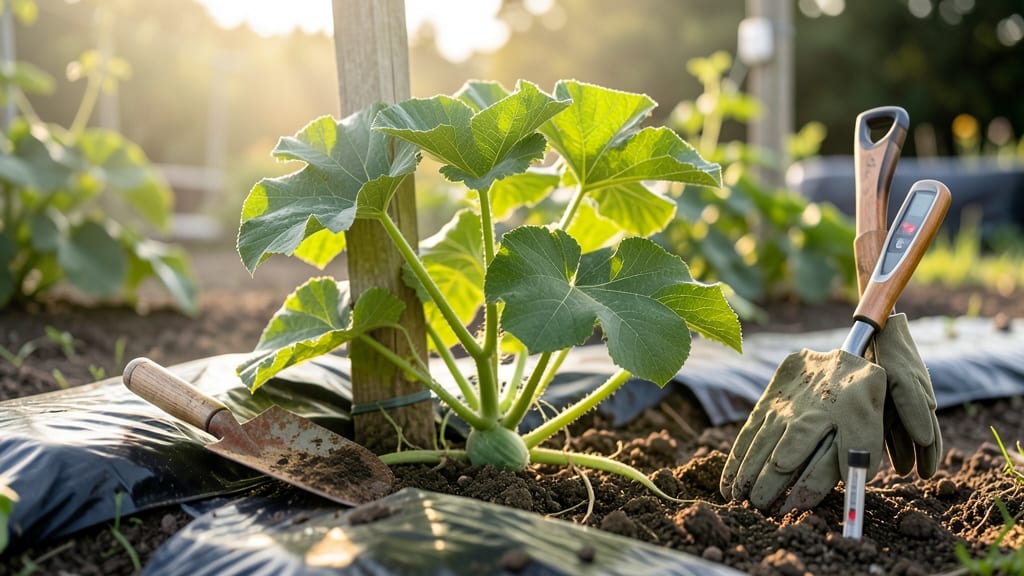
Timing your cantaloupe planting just right in Illinois could mean the difference between a sweet summer harvest and wasted effort. With Zone 5b-6a frost lingering until late April, getting those seeds in the ground too soon risks frost damage, while waiting too long cuts your growing season short.
I’ve grown cantaloupe 🍉 in Illinois for years, and the key is patience—waiting until soil temperatures hit 70°F+ and all frost risk has passed. That usually lands us in mid-May, but local microclimates can shift those dates by weeks.
Let’s break down exactly when to plant for your specific corner of the state.
You’ll also discover how to stretch your cantaloupe season with mulch, row covers, and heat-loving varieties that thrive in Illinois’ shorter summers. Plus, I’ll share my go-to tips for avoiding common pitfalls like uneven ripening or pest problems.
Ready to grow juicy, vine-ripened cantaloupes? By the end, you’ll know the perfect planting window, soil prep secrets, and how to maximize every day of your July-August harvest—no guesswork required.
Illinois frost-free dates for cantaloupe: Zone 5a vs 5b planting timeline
Cantaloupe (Cucumis melo) loves warm soil and long summer days, but Illinois’ Zone 5a-5b climate demands precise timing. Plant too early, and frost will kill tender seedlings.
Too late, and your harvest may arrive after the first fall frost. The key? Understanding your last frost dates and soil temperature thresholds.
In Zone 5a, the average last frost date hovers around May 10-15, while Zone 5b gardeners typically see frost-free conditions by April 25-May 5.
However, these are averages—actual dates vary yearly. Always check local frost-free records or use the National Weather Service for your specific county.
Cantaloupe seeds won’t germinate until soil reaches 70°F+. In Illinois, this usually happens 2-4 weeks after the last frost. For Zone 5a, that means waiting until late May for direct sowing.
In Zone 5b, you can start slightly earlier, around mid-May, but always confirm with a soil thermometer.
Pro Tip: Use black plastic mulch to warm soil faster. This can shave off 1-2 weeks from your planting timeline, giving cantaloupe a head start in cooler zones.
Here’s the critical timeline for Illinois gardeners, broken down by zone and soil readiness:
| Zone | Avg. Last Frost | Soil Ready (70°F+) | Optimal Planting Window | Harvest Window |
|---|---|---|---|---|
| 5a (Northern IL) | May 10-15 | Late May | Late May - Early June | Late July - Early Aug |
| 5b (Central/Southern IL) | April 25-May 5 | Mid-May | Mid-May - Late May | Early July - Mid-Aug |
*Adjust for early/late frost years using local records.
If you’re starting seeds indoors, begin 4-6 weeks before your last frost date. For Zone 5a, that’s early April; for Zone 5b, mid-to-late March. Transplant seedlings outdoors only after all frost risk has passed and soil is warm.
Missed the window? Don’t panic. Some heat-tolerant varieties like 'Ambrosia' or 'Hale’s Best' can handle slightly cooler soils. Just be prepared to use row covers for early protection if temperatures dip below 50°F at night.
For maximum success, pair your planting timeline with well-draining soil (pH 6.0-6.8) and full sun exposure. Cantaloupe vines spread 3-6 feet, so plan your garden layout accordingly to avoid overcrowding.
🌱
Step-by-step guide: when and how to start cantaloupe seeds indoors vs outdoors
Starting cantaloupe seeds indoors gives your plants a head start in Illinois’ short growing season. Since cantaloupe thrives in warm soil (70°F+), timing is critical—plant too early, and frost will kill seedlings.
Aim to start seeds 4-6 weeks before your last frost date (typically mid-March to early April for Zone 5a-5b). This ensures healthy transplants ready for the garden by late April to early May.
For direct sowing, wait until soil temperatures hit 70°F and all frost risk has passed—usually mid-May in northern Illinois. Direct-sowing skips the transplant shock but risks slower early growth if nights stay cool.
I recommend both methods for insurance: start some seeds indoors and sow a few directly outside for variety.
- 4-6 weeks before last frost: Sow seeds in biodegradable pots (2-3 inches deep) filled with seed-starting mix. Plant 1 seed per pot at ½-inch depth.
- Warmth is key: Use a heat mat (70-75°F) to mimic outdoor soil temps. Place pots in a sunny window or under grow lights (14-16 hours/day).
- Thin seedlings: Once seedlings have 2 true leaves, thin to the strongest one per pot. Harden off for 7-10 days before transplanting.
- Transplant outdoors: After last frost, bury pots ½-inch deep to encourage root growth. Space plants 3-4 feet apart in rows.
If you’re direct-sowing outdoors, wait until soil is warm (70°F+) and nights stay above 50°F. Plant seeds ½-inch deep, spacing them 2-3 feet apart in hills.
Use black plastic mulch to warm the soil faster—this can shave 1-2 weeks off your growing season. Thin seedlings to 1-2 per hill once they’re 3-4 inches tall.
Pro tip: Mark your calendar for Illinois’ average last frost dates—April 15 for Zone 5a and May 1 for Zone 5b. Use a soil thermometer to confirm warmth before transplanting.
Cantaloupes hate cold soil, and stunted growth is a common mistake in early plantings. Patience here pays off with bigger, sweeter fruit later in the season.
For container gardening, choose large pots (5+ gallons) with drainage holes. Start seeds indoors in late March and transplant by early May. Containers warm up faster than garden beds, so monitor soil temps closely. If your pots sit on concrete or pavement, use insulated planters to maintain warmth.
Finally, save seeds from your best cantaloupes for next year! Let 2-3 fruits fully ripen on the vine, then scoop out seeds, rinse, and dry them on a paper towel.
Store in a cool, dark place—they’ll stay viable for 4-5 years. This way, you’ll have Illinois-adapted cantaloupe varieties tailored to your microclimate.