
Plants
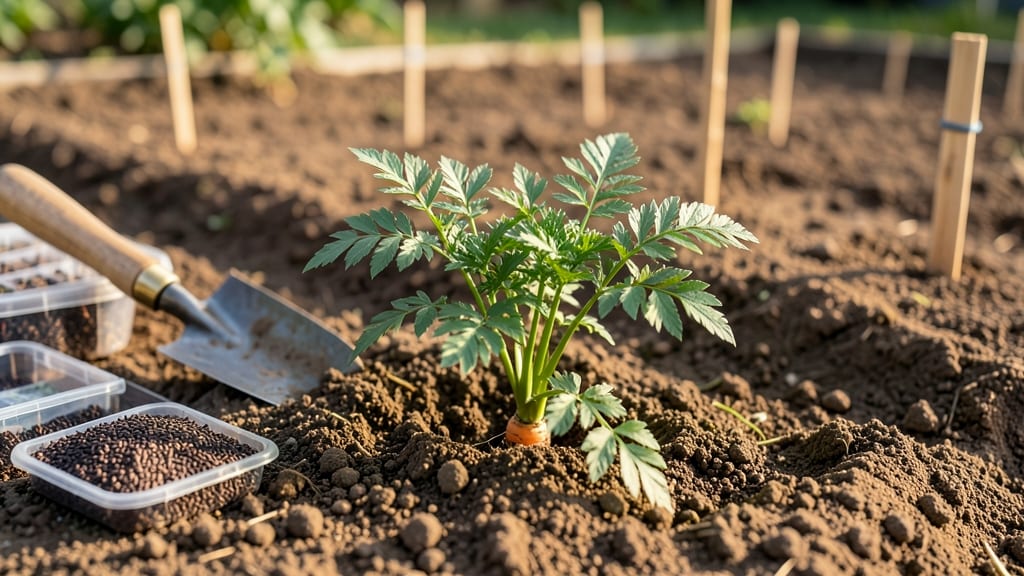
If you're wondering when to plant carrots in Pennsylvania, timing is the secret to avoiding bitter roots or wasted effort. Pennsylvania's 5b-7a climate gives you two prime windows—spring and summer—where soil warmth and daylight align perfectly for sweet, crisp 🥕 harvests.
Most gardeners in PA start between mid-April and early June, but late July to mid-August offers a second chance for fall harvests. The key? Planting when soil temps hit 50°F and counting back from your first frost date (usually mid-October).
This guide breaks down exactly when to sow seeds for each season, plus how to stretch your harvest with succession planting. Whether you're a first-time gardener or a seasoned pro, these tips will help you grow carrots that rival store-bought—without the guesswork.
Ready to dig in? Let's explore the best planting windows and pro tricks to maximize your carrot yield, no matter where in PA you garden.
Best carrot planting times in Pennsylvania zones 5-7: month-by-month guide
Pennsylvania’s USDA Zones 5b-7a offer two prime windows for planting carrots: spring and fall. The key is avoiding late frosts in spring and early frosts in fall, which can damage tender seedlings or mature roots.
Most regions experience their last frost around April 15 and first frost by mid-October, but microclimates—like urban heat islands—can shift these dates by a week or more.
For spring planting, aim for mid-April to early June when soil temperatures consistently reach 45°F (7°C). This ensures seeds germinate within 10-14 days without rotting.
In fall, plant late July to mid-August to harvest before winter sets in. These windows align with Pennsylvania’s 165 frost-free days, maximizing your growing season.
🌱
| Planting Window | Soil Temp Threshold | Frost Risk | Harvest Window | PA Microclimate Notes |
|---|---|---|---|---|
| Mid-April to early June | 45°F (7°C) | Low (post-last frost) | August–October | Urban areas warm faster; rural zones may need row covers. |
| Late July to mid-August | 50°F (10°C) | Moderate (pre-first frost) | October–December | Southern PA can extend harvests into November. |
| March (under cover) | 40°F (4°C) | High (frost likely) | May–June | Risky; use cold frames for early starts. |
| September (limited) | 50°F (10°C) | High (short season) | October–November | Best for fast-maturing varieties like 'Paris Market'. |
In spring, prioritize soil preparation by loosening the top 12 inches to prevent forked roots.
Mix in compost to improve drainage, as Pennsylvania’s clay-heavy soils can cause issues. Succession planting every 2 weeks in spring ensures a steady harvest, while fall plantings should focus on cold-hardy varieties like 'Chantenay' to withstand early frosts.
🌡️
Use a soil thermometer to confirm readiness—carrot seeds won’t germinate below 45°F (7°C). In Zone 7a (southern PA), you can push spring plantings into early June, but avoid summer sowing after July 15, as bolting (flowering) becomes likely in the heat.
For northern PA (Zone 5b), stick to mid-April to late May for spring and late July to early August for fall.
📅 Pro Tip: Check your local Penn State Extension frost dates annually, as climate shifts can alter traditional windows. For example, Philadelphia’s last frost now averages April 5, while Erie’s can linger until May 10.
🌱
If you’re in a microclimate—like a south-facing slope or urban garden—you can extend seasons by 1-2 weeks. For instance, rooftop gardens in Pittsburgh may see earlier soil warming due to heat absorption.
Conversely, low-lying areas like the Poconos might need to delay plantings by 10-14 days to avoid frost.
💡 Key Takeaway: Pennsylvania’s two-planting strategy—spring and fall—yields the most consistent harvests. Spring gives you summer roots, while fall provides winter storage carrots. Plan ahead to avoid the
Best carrot planting times in Pennsylvania zones 5-7: month-by-month guide
Pennsylvania's USDA Zones 5b-7a offer two ideal windows for planting carrots: spring and late summer. The key is planting when soil temperatures reach 50°F and counting back from your first frost date (typically mid-October).
Most gardeners in PA start between mid-April and early June, with a second planting window from late July to mid-August for fall harvests.
Urban gardeners in cities like Philadelphia may have slightly different frost dates than rural areas in the Poconos, so always check your local last frost date. For example, Pittsburgh typically sees its last frost around April 20, while Scranton holds onto frost until May 5.
These variations mean your planting timeline should adjust by 1-2 weeks depending on your microclimate.
| Season | Planting Window | Soil Temp | Days to Harvest | Notes |
|---|---|---|---|---|
| Spring | Mid-April to early June | 50-70°F | 60-80 days | Plant every 2 weeks for succession |
| Summer | Late July to mid-August | 55-65°F | 70-90 days | Use shade cloth if temps exceed 85°F |
| Fall | Late August to early September | 60-70°F | 50-70 days | Choose fast-maturing varieties |
For spring planting, aim to sow seeds 2-3 weeks before your last frost date. This gives carrots enough time to establish roots before summer heat arrives. In Pennsylvania, that typically means starting by April 15 in most regions.
If you're in a cooler microclimate like the Poconos, wait until May 1 to avoid frost damage.
Your late summer planting (July-August) should focus on varieties that mature quickly before the first frost. Choose short-day varieties like 'Nantes' or 'Danvers' that tolerate cooler soil temperatures. Plant these 8-10 weeks before your first frost, which usually lands in mid-October.
This timing ensures you harvest before roots become woody or bolt from cold stress.
Pro tip: Use a soil thermometer to confirm temperatures before planting. Carrot seeds need 50°F soil to germinate, but roots grow best when soil stays between 60-70°F.
If your garden soil runs cooler, consider using black plastic mulch to warm it up faster—especially in Zone 5b areas like Erie or State College.
Remember, Pennsylvania's variable climate means you might need to adjust these windows by 1-2 weeks depending on your specific location. Always check your local agricultural extension office for precise frost dates and planting recommendations tailored to your county.
With the right timing, you'll enjoy crisp, homegrown carrots from summer through fall!