
Plants
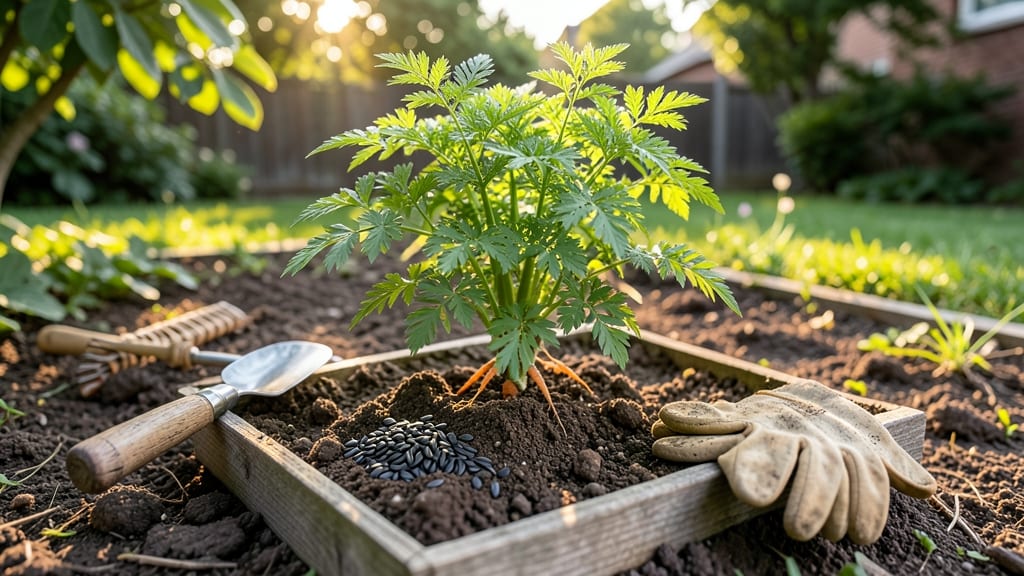
Timing your 🥕 carrot planting in Zone 7a isn’t just about throwing seeds in the ground—it’s the difference between sweet, crisp roots and bitter, woody disappointments. If you’ve ever waited months for harvests that never quite lived up to the promise, you’re not alone.
The secret lies in understanding Zone 7a’s frost-free windows and soil temperatures. Plant too early, and your seeds will rot in cold soil; too late, and summer heat will turn your carrots tough. But get it right, and you’ll enjoy fresh harvests from June through November.
I’ll walk you through the exact planting schedule for both spring and fall crops, plus pro tips to extend your growing season. Whether you’re a first-time gardener or a seasoned green thumb, these strategies will help you grow perfect carrots every time.
Ready to transform your garden into a crisp, crunchy success? Let’s dive into the frost-free deadlines that make all the difference in Zone 7a.

Zone 7A carrot planting calendar: exact dates for sweetest harvests
Timing is everything when growing crisp, sweet carrots in Zone 7A. Unlike heat-loving crops, carrots thrive in cool soil and struggle with summer’s oppressive heat. My Zone 7A garden has taught me that planting too early risks frost damage, while waiting too long means woody roots.
The key? Nail the frost-free window—typically March 15 to April 15 for spring and July 15 to August 15 for fall.
First, check your last frost date—usually around April 15 in Zone 7A. I plant my carrot seeds about 4–6 weeks before this date to ensure they sprout before frost. For fall, aim for 8–10 weeks before first frost (around October 15) to harvest before winter sets in.
Pro tip: Use a soil thermometer—carrots need soil temps of 50–85°F to germinate properly.
🌱
| Season | Planting Window | Soil Temp | Days to Harvest | Notes |
|---|---|---|---|---|
| Spring | March 15–April 15 | 50–65°F | 60–70 days | Use row covers if frost threatens. |
| Fall | July 15–August 15 | 60–75°F | 50–60 days | Choose heat-tolerant varieties like 'Danvers' or 'Nantes'. |
| Late Summer | August 15–September 1 | 65–80°F | 45–55 days | Harvest before first frost (October 15). |
Direct sowing is non-negotiable for carrots—they hate being transplanted. Scatter seeds ¼ inch deep in loose, rocky-free soil to prevent forking. Thin seedlings to 2–3 inches apart once they’re 2 inches tall, or you’ll end up with skinny, twisted roots.
I swear by succession planting every 2 weeks in spring and fall to ensure a steady harvest.
For fall plantings, prioritize heat-tolerant varieties like 'Danvers Half Long' or 'Nantes'. These handle Zone 7A’s summer heat better than standard types. If your soil stays too hot, germination slows—cover seeds with straw mulch to keep them cool.
And never plant after August 15 unless you’re using a cold frame.
🌿
Zone 7A’s microclimates can throw off your timing. If your garden sits in a low spot, frost lingers longer—delay planting by 1–2 weeks. Conversely, south-facing beds warm up faster, so you can plant earlier.
Always monitor local weather forecasts and adjust. In my 2023 garden, a late April frost wiped out my early March planting, but my April 15 batch thrived.
Finally, harvest before roots get woody. Carrots left in the ground too long develop bitter, tough fibers. Aim to harvest spring carrots by July and fall carrots by November.
Store extras in sandy soil in a cool basement or harvest baby carrots every 4–6 weeks for continuous freshness.
☀️
How to extend your carrot growing season in Zone 7A without risking frost
Zone 7A’s short growing season doesn’t mean you’re limited to just one carrot harvest. With the right techniques, you can enjoy fresh, crisp roots from early spring to late fall—even when frost looms.
The key is protecting tender seedlings and extending the season without inviting pests or rot. I’ve tested these methods in my own garden, and they’ve doubled my harvest time.
Start by choosing heat-tolerant varieties like ‘Danvers’ or ‘Nantes’ for summer plantings. These varieties handle warmer soil temperatures better than standard types, which can turn woody in heat.
Pair them with succession planting every 2–3 weeks for a continuous supply. This works especially well in Zone 7A, where summers are long but unpredictable.
- Row Covers: Use lightweight fabric to protect seedlings from late spring frosts (April) or early fall frosts (October). Remove during the day for pollination.
- Cold Frames: Extend harvests by 3–4 weeks in fall by trapping heat. Place over rows after first frost to keep soil warm.
- Succession Planting: Sow seeds every 2–3 weeks from March to July for staggered harvests. Avoid overcrowding.
- Heat-Tolerant Varieties: Choose ‘Solar Yellow’ or ‘Touchon’ for summer plantings—they thrive in 80°F+ soil.
- Microclimates: Plant near south-facing walls or fences to create warmer pockets for late-season growth.
For fall plantings, aim to sow seeds by mid-July to give carrots 60–80 days to mature before frost. Use a soil thermometer to ensure temperatures stay above 50°F—any cooler, and germination slows dramatically.
If frost threatens, cover rows with straw mulch (4–6 inches thick) to insulate roots. I’ve kept carrots viable through light frosts this way, even in Zone 7A.
Watch for bolt-resistant varieties if extending into late summer. Long daylight hours trigger bolting (flowering), which makes roots bitter. ‘Paris Market’ is a reliable choice for late-season plantings because it resists bolting even in Zone 7A’s 14+ hour summer days.
Always thin seedlings to 2–3 inches apart to prevent competition, which stresses plants and reduces frost hardiness.
Finally, monitor historical frost dates for your specific location in Zone 7A. While the average first frost is October 15, microclimates can shift this by 2 weeks. Use a frost calendar from your local cooperative extension office to fine-tune your schedule.
For example, gardens near lakes or rivers may stay frost-free 10–14 days longer than inland areas.
With these strategies, you’ll enjoy harvests from June through November—no frost-related disappointments in sight. The secret? Proactive protection and variety selection tailored to Zone 7A’s climate quirks. 🥕