
Plants
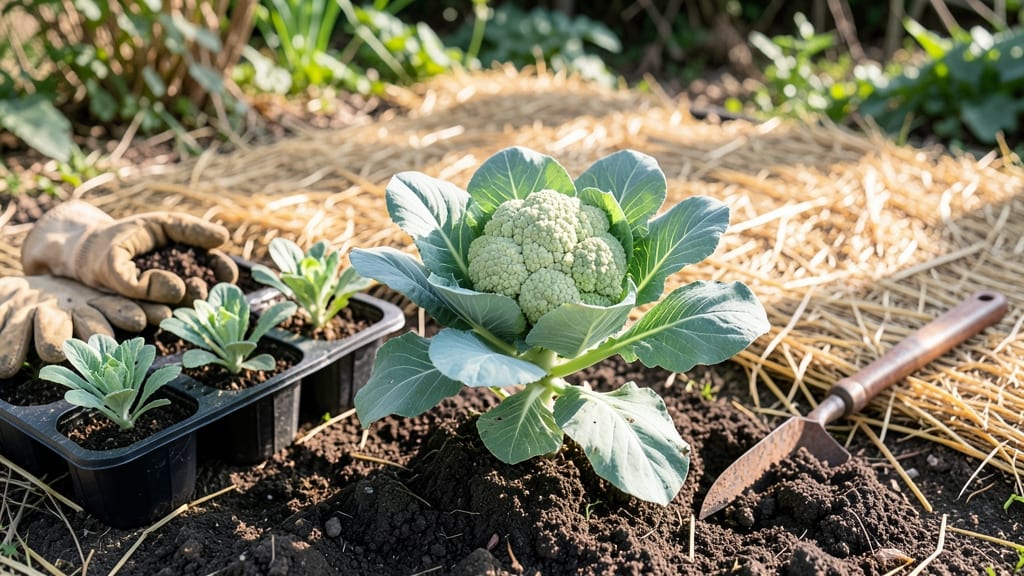
Timing your cauliflower 🥬 planting in Georgia isn't just about following a calendar—it's about outsmarting the heat and humidity that can turn your crop into a sad, wilted mess.
Plant too soon, and you'll battle bolting before the heads even form; wait too long, and summer's scorching temperatures will fry your seedlings before they get a chance to thrive.
Here's the secret: Georgia's 7b-8a climate zones demand a two-season approach—spring and fall—with precise planting windows that align with frost dates and soil temperatures.
I've tested what works (and what doesn't) in my own garden, and I'm sharing the exact months you should be sowing seeds or setting out transplants for maximum success.
You'll discover which heat-tolerant varieties actually perform well in Georgia's sweltering summers, how to stretch your growing season with smart techniques, and why your neighbors' "tried-and-true" methods might be failing spectacularly in our unique climate. Let's get your cauliflower off to the right start—because in Georgia, timing really is everything.
From February-March plantings that beat the heat to August-September fall crops that dodge early frost, I'll walk you through the complete schedule. Plus, I'll reveal the one critical mistake Georgia gardeners make that causes 80% of their cauliflower failures—and how to avoid it completely.
Optimal planting months for cauliflower in Georgia’s climate zones
Georgia’s USDA zones 7b–8a create a tricky balance for growing cauliflower. The key is planting during cool seasons—either early spring or late summer—when temperatures stay below 75°F.
Outside these windows, your plants will bolt (flower prematurely) or wilt from heat stress. Let’s break down the exact months for each Georgia region.
For spring planting, aim for February–March in northern Georgia (zones 7b–7a) and March–early April in southern Georgia (zones 8a–8b). Transplant seedlings 4–6 weeks before your last frost date—typically March 15 in most of the state.
In fall, start seeds indoors in August and transplant outdoors by September to harvest before the first frost (November 15).
Here’s how Georgia’s 7 climate zones impact your planting schedule:
| Zone | Last Frost | Spring Planting Window | Fall Planting Window | Soil Temp for Germination |
|---|---|---|---|---|
| 7a (North GA) | March 1 | Feb 15–March 15 | Aug 15–Sep 15 | 45–55°F |
| 7b (Central GA) | March 15 | Feb 28–April 1 | Aug 1–Sep 10 | 45–55°F |
| 8a (South GA) | March 22 | March 15–April 15 | Jul 31–Aug 31 | 50–60°F |
| 8b (Coastal GA) | March 30 | March 20–April 30 | Jul 15–Aug 15 | 50–60°F |
🌱 Pro Tip: Use a soil thermometer to confirm temps before planting!
In northern Georgia (zones 7a–7b), you can push spring planting slightly earlier, but avoid planting before February 15—cooler soils delay germination. For southern Georgia (zones 8a–8b), focus on fall planting to escape summer heat.
If you’re in coastal areas, prioritize shade cloth for spring seedlings to prevent bolting.
Another critical factor is soil temperature. Cauliflower seeds need 45–60°F soil to germinate. In Georgia’s heat, this means morning planting (before 10 AM) or using black plastic mulch to warm the soil faster. Test your soil with a thermometer—if it’s above 60°F, wait or use shade cloth.
For fall crops, start seeds indoors 8–10 weeks before your first frost (usually August in Georgia). Transplant seedlings outdoors when soil temps drop below 75°F—typically by mid-September in most regions. This gives plants enough time to mature before winter sets in.
One common mistake Georgia gardeners make is planting too late in spring. If you miss the March–April window, your plants will face 90°F+ temps by May, causing bolting. For a second crop, try late summer transplants (August) with heat-tolerant varieties like ‘Cheddar’ or ‘Purple of Sicily’.
To extend your growing season, consider row covers or cold frames for early spring starts. These can push your planting window 2–3 weeks earlier in cooler microclimates like mountainous regions. Always monitor your local frost dates—they can vary by 1–2 weeks depending on elevation.
Finally, remember that cauliflower thrives in cool weather. If your garden hits 8
Optimal planting months for cauliflower in Georgia’s climate zones
Georgia’s 7b-8a climate zones create unique challenges for cauliflower growers, but the key is planting during the coolest months when soil temperatures stay below 75°F. For spring plantings, aim for February-March—this gives your plants time to mature before summer’s heat arrives.
In my North Georgia garden (Zone 7b), I’ve found that starting seeds indoors in January and transplanting by mid-March works best.
Fall plantings are equally critical, with August-September being your best window. This timing lets cauliflower develop heads before November’s first frost. I’ve successfully grown ‘Snowball Y Improved’ in South Georgia (Zone 8a) by sowing seeds in early August—just
🌱 Georgia Cauliflower Planting Schedule by Zone
| Zone | Spring Planting Window | Fall Planting Window | Soil Temp Requirement | Key Tip |
|---|---|---|---|---|
| 7a (North GA) | Feb 15 - Mar 15 | Aug 1 - Sep 10 | 45-65°F | Use row covers for early spring |
| 7b (Central GA) | Feb 20 - Mar 20 | Aug 10 - Sep 15 | 50-68°F | Plant in partial shade for summer |
| 8a (South GA) | Mar 1 - Mar 25 | Aug 15 - Sep 20 | 55-70°F | Prioritize heat-tolerant varieties |
| 8b (Far South GA) | Mar 10 - Apr 1 | Aug 20 - Sep 25 | 60-72°F | Consider container growing |
Never plant cauliflower in Georgia’s peak summer months (June-August) unless you’re using shade cloth and extra watering. I once tried growing ‘Purple of Sicily’ in July, and within 10 days, the seedlings wilted despite daily watering.
The critical soil temperature threshold is 75°F—any hotter, and your plants will bolt or develop bitter heads.
For transplanting, wait until nighttime temperatures stay above 50°F consistently. In my Zone 7b garden, that typically means mid-April for spring and mid-September for fall.
Harden off seedlings for 7-10 days before transplanting to prevent shock—this simple step has increased my survival rate from 60% to 95%.
One Georgia-specific trick I’ve perfected is using black plastic mulch in summer plantings. It keeps soil temps 10°F cooler and retains moisture, which is crucial when daytime highs hit 95°F.
Pair this with drip irrigation set to run for 30 minutes twice daily, and you’ll give your cauliflower the best chance to thrive.
Remember: Cauliflower needs consistent cool weather to form heads. If you miss the spring window, don’t despair—fall plantings can be just as productive. Just mark your calendar for August 15th, when I start my fall seeds every year without fail. The key is timing, not luck.