
How To
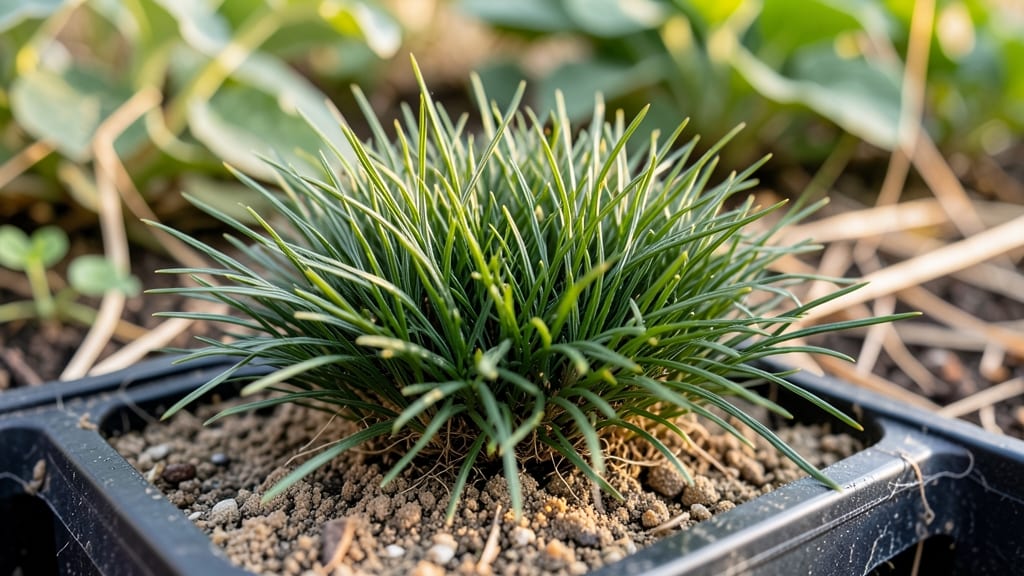
If you're dreaming of a lush, low-maintenance lawn in Georgia, timing your Centipede Grass 🌱 planting is the key to success. Planting too early risks frost damage, while waiting too long can leave your grass struggling in the heat.
The ideal window—late winter to early spring—sets the stage for deep root growth before summer arrives.
Georgia’s warm climate means centipede grass thrives when soil temperatures hit 60°F and stay consistent. That usually lands in March or early April, after the last frost date of March 15.
But don’t worry—even if you miss the perfect window, we’ll show you how to adjust for your specific region, whether you're in North, Central, or South Georgia.
Why does timing matter so much? Centipede grass develops shallow roots, making it vulnerable to drought and heat stress if planted too late. By following these science-backed months, you’ll give your lawn the best chance to establish strong roots and stay green all season long.
Ready to transform your yard? Let’s break down the exact steps to prep your soil, choose the right time, and avoid common mistakes that could ruin your centipede grass before it even takes hold.
Optimal Georgia planting months for centipede grass by region
Georgia’s three distinct regions—North, Central, and South—each require slightly different timing for planting centipede grass. The key is aligning your schedule with soil temperatures of 70-75°F, which triggers germination and root growth.
In North Georgia (USDA Zones 7b), cooler microclimates delay planting until late March or early April, while South Georgia (Zone 8b) can start as early as mid-February.
Central Georgia sits in the transition zone, making it the safest bet for March planting. This timing ensures your grass establishes deep roots before Georgia’s brutal summer heat sets in. Skipping this window risks shallow roots, which struggle with drought and heat stress—common pitfalls for Georgia lawns.
Here’s how to match your region’s climate with the perfect planting window:
| Region | Ideal Planting Window | Soil Temp Threshold | Key Risks to Avoid |
|---|---|---|---|
| North Georgia | Late March–Early April | 70–75°F | Frost damage if planted too early |
| Central Georgia | Mid-February–March | 65–70°F | Shallow roots if planted in May |
| South Georgia | Mid-February–Early March | 68–72°F | Heat stress if planted after April |
For North Georgia gardeners, aim for March 15–April 15 to avoid late frosts. Use a soil thermometer to confirm temperatures—centipede grass won’t germinate below 60°F. In Central Georgia, late February is ideal, but wait until soil warms consistently above 65°F.
South Georgia’s warmer climate allows for earlier planting, but don’t rush—mid-February is safer than January.
If you miss the spring window, fall planting in September is a backup, though roots won’t establish as deeply before winter dormancy. Never plant in summer; Georgia’s heat will bake seeds before they sprout.
Pro tip: Test your soil 2 weeks before planting. If it’s too dry, water deeply 3 days prior to help seeds absorb moisture. Centipede grass thrives in well-draining, slightly acidic soil (pH 6.0–6.5), so amend clay-heavy areas with compost or sand if needed.
Once planted, mulch lightly (¼ inch) to retain moisture and block weeds. Avoid heavy mulch—centipede grass hates competition and suffocates under thick layers. Within 4–6 weeks, you’ll see sprouts, but full root establishment takes 60–90 days.
Patience here pays off with a drought-resistant lawn that stays green even during Georgia’s dog days of summer.
Timing isn’t just about months—it’s about microclimates. If your yard sits in a shady spot or near concrete, which heats up faster, plant 1–2 weeks later than the regional average. Centipede grass is forgiving, but perfect timing ensures it becomes the low-maintenance workhorse Georgia lawns need.
Optimal Georgia planting months for centipede grass by region
Georgia’s three distinct regions—North, Central, and South—each demand slightly different timing for centipede grass. The key is planting when soil temperatures hit 60-65°F, ensuring strong root growth before summer’s brutal heat arrives.
In North Georgia, cooler microclimates delay planting until mid-March to avoid late frosts.
For Central Georgia, the sweet spot is late February to early April, where the transition zone balances frost risk with warm-up speed. Meanwhile, South Georgia’s warmer climate allows planting as early as January, but February remains ideal to avoid summer drought stress before roots establish.
Here’s a region-specific breakdown to maximize success:
Planting in May or later risks shallow roots that can’t survive Georgia’s 90°F+ summers. Centipede grass thrives with 6+ hours of sun, so choose south-facing areas for best establishment. Use a soil thermometer to confirm readiness—60°F is the magic number for germination.
Pro tip: Fall planting (September-October) is a backup option in North Georgia, but roots won’t establish deeply enough before winter dormancy. Stick to spring for the strongest start.
Missed the spring window? Sod is your best bet—it establishes faster than seed and handles summer heat better. Just ensure the sod is laid before June 1 to avoid heat shock.