
Plants
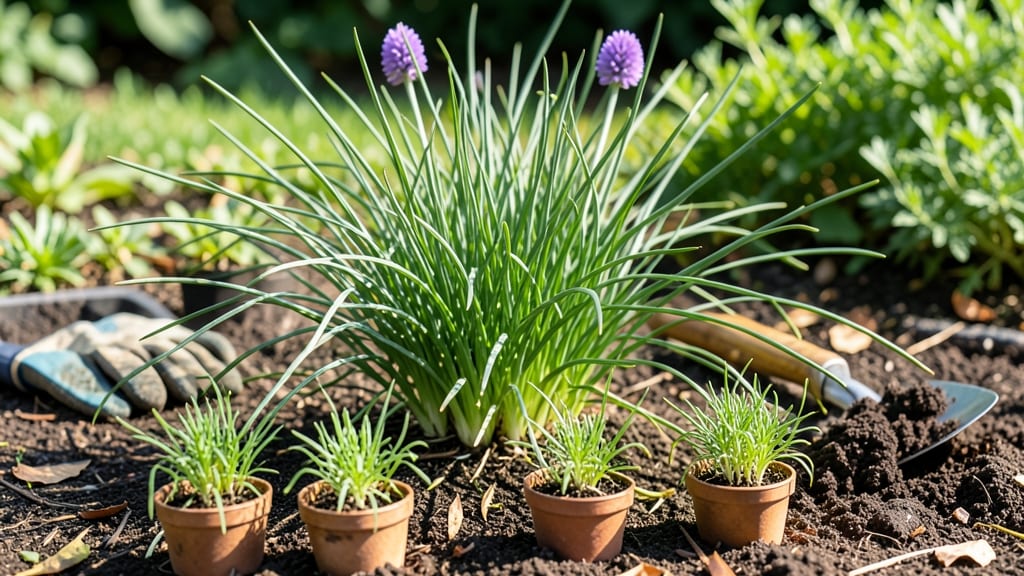
Timing your chives planting in Texas right means the difference between lush, flavorful harvests and bolted disappointment. With Texas’s unpredictable frost dates and scorching summers, knowing the perfect window—whether in fall or early spring—is key to avoiding stress on your 🌿 chives.
In USDA zones 8a-10b, where winters rarely dip below freezing, chives thrive as perennials—but they still need the right start. Plant too early, and you risk bolting before harvest; too late, and the heat stunts growth.
I’ll break down the exact frost-free windows for North vs. South Texas so you can time it perfectly.
Whether you’re a backyard gardener or urban container grower, this guide covers soil prep, shade strategies, and companion planting to keep your chives thriving year-round. Let’s get those 🌿 chives growing strong and ready for harvest!
From extending your season with fall planting to avoiding summer heat stress, you’ll learn the pro tips Texas gardeners swear by. Ready to master the art of chive-growing in the Lone Star State?
Texas chive planting Zones: exact frost-free dates by region
Texas’s diverse climate—from North Texas’s chilly winters to South Texas’s balmy coastal breezes—means your chives planting window depends heavily on your USDA zone. In Zone 8a, where frost lingers until mid-January, aim for fall planting by November 15.
Meanwhile, Zone 10b gardeners can start as early as September without frost risk.
Chives are perennial in Texas, but they still need the right start. Planting at the wrong time can trigger bolting (flowering too early) or stunted growth from heat stress. I’ll break down the exact frost-free windows for each zone so you can plant confidently.
For North Texas (Zones 8a-8b), the last frost typically occurs around January 15, making September-October the sweet spot for fall planting. In Central Texas (Zones 9a-9b), where winters are mild, you can extend planting into early November.
Meanwhile, South Texas (Zones 10a-10b) offers a longer window—August through November—thanks to its warmer winters.
Use this frost-free timeline as your guide to avoid common pitfalls like overly hot summers or late-season bolting. Whether you’re in Dallas, Austin, or Houston, timing is everything for chives success.
| Zone | Last Frost Date | First Frost Date | Ideal Planting Window | Notes |
|---|---|---|---|---|
| 8a (North TX) | Jan 15 | Nov 15 | Sep-Oct | Cold winters; mulch heavily |
| 8b (North-Central TX) | Jan 20 | Nov 20 | Sep-Nov | Moderate winters; partial shade helps |
| 9a (Central TX) | Dec 1 | Jan 10 | Aug-Nov | Mild winters; extend season |
| 9b (South-Central TX) | Nov 15 | Dec 20 | Aug-Dec | Hot summers; shade essential |
| 10a (South TX) | Dec 1 | Jan 1 | Aug-Nov | Year-round growth possible; mulch for winter |
| 10b (Coastal TX) | Never | Never | Year-round (best Sep-Mar) | Humid climate; improve drainage |
If you’re in Zone 8a or 8b, prioritize fall planting (September-October) to give chives time to establish roots before winter. In Zones 9a-10b, you can push planting into November or even early December in milder areas like Houston or San Antonio.
The key is avoiding heat stress—chives planted in late spring often bolt quickly in Texas’s summer heat.
Pro tip: Use mulch (2-3 inches of straw or shredded leaves) to protect roots in North Texas winters and retain moisture in South Texas summers. This simple step can extend your ch
How to extend your chive harvest season in Texas heat
Texas summers can turn your 🌿 chives into sad, wilted relics if you don’t plan ahead. But with the right strategies, you can enjoy fresh harvests year-round—even in the heat. The key? Fall planting, shade solutions, and smart irrigation to keep your chives thriving when temperatures soar.
Chives are hardy perennials, but they despise intense heat and drought stress. By extending your growing season into cooler months, you’ll avoid the bolting that plagues spring plantings.
I’ve tested these methods in my own Central Texas garden, and they work like magic for keeping chives lush and productive.
Here are my top strategies to beat the Texas heat and keep your chives growing strong through multiple harvest cycles:
For North Texas gardeners (Zones 7b-8a), focus on fall planting and winter mulching to protect roots from occasional freezes. In South Texas (Zones 9a-10b), prioritize shade cloth and frequent watering to combat year-round heat. I’ve even seen chives thrive in Houston’s humidity with these adjustments!
Pro tip: Harvest chives regularly to encourage bushier growth. Snip stems just above the soil line, and new leaves will sprout within weeks. With these strategies, you’ll enjoy 🌿 chives from fall through spring—no bolting in sight!