
Plants
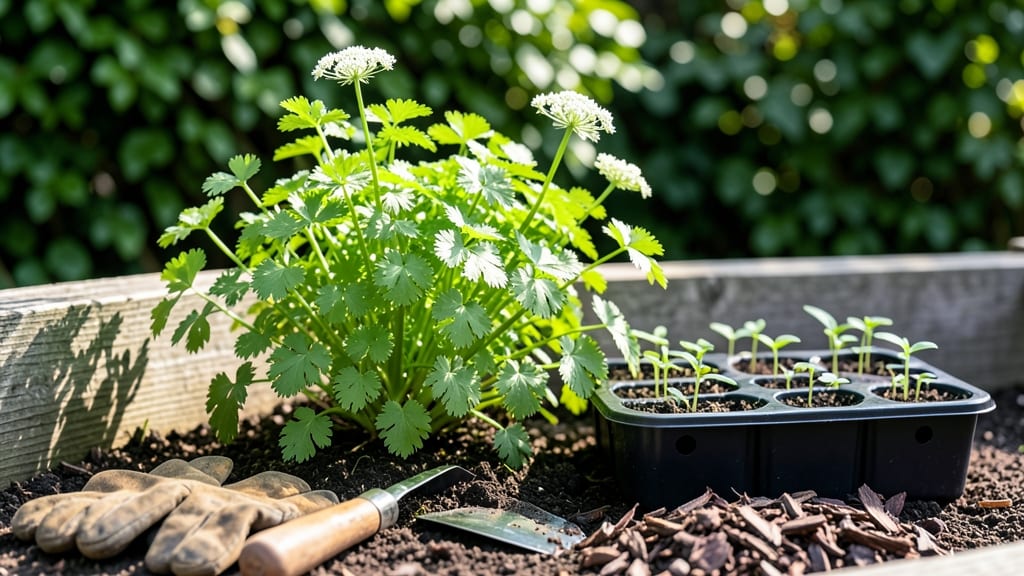
Knowing when to plant cilantro in Missouri can mean the difference between fresh, flavorful leaves and a bitter, bolted mess. This cool-season herb thrives in spring and fall, but Missouri’s unpredictable weather makes timing tricky—especially in USDA Zone 6a.
Missouri gardeners face a tight window: plant too early, and frost zaps your seedlings; too late, and the heat sends cilantro 🌿 racing toward flower stalks. The key is working with your local frost dates—typically March 15 for last frost and October 30 for first frost—to maximize your harvest.
In this guide, I’ll break down the exact planting windows for your region, plus pro tips to stretch your cilantro’s growing season. Whether you’re in Kansas City, St. Louis, or Columbia, you’ll learn how to avoid bolting and keep your herb garden productive all season long.
Ready to grow cilantro that stays fresh and flavorful? Let’s dive into the best months, companion plants, and succession strategies tailored just for Missouri’s climate.
Missouri cilantro planting zones: frost-free deadlines by USDA Zone (5a-7a)
Missouri’s USDA Zones 5a-7a create a patchwork of microclimates where cilantro thrives in cool weather but bolts under summer heat. Nailing your planting windows means avoiding frost damage in spring and heat stress in summer.
Let’s break down the exact dates for your zone—whether you’re in northern St. Louis (Zone 6a) or southern Kansas City (Zone 7a).
Cilantro is a cool-season herb that bolts when temperatures exceed 75°F (24°C). In Missouri, this means planting in early spring (4-6 weeks before last frost) and late summer (6-8 weeks before first frost).
Miss these windows, and you’ll either lose plants to frost or watch them turn bitter and flower prematurely.
Here’s the critical data for Missouri’s zones, including last frost dates, ideal planting windows, and harvest timelines to keep your cilantro lush and flavorful.
For example, if you’re in Columbia (Zone 6a), your first planting window opens on March 1—but don’t wait until April 1 or risk losing plants to late frosts. Similarly, your fall window closes on August 15; delay planting, and your cilantro will bolt by September.
Missouri’s microclimates can shift frost dates by weeks. Check your local Missouri Botanical Garden frost maps or use the Old Farmer’s Almanac for hyper-local adjustments. In northern Missouri (Zone 5a), row covers can extend your spring window by 2-3 weeks—critical for getting an early harvest before bolting.
Pro tip: Stagger your plantings every 2 weeks in spring and fall. This ensures a continuous harvest and reduces the risk of bolting all plants at once.
For instance, plant half your seeds on March 1 and the rest on March 15—this way, you’ll have fresh cilantro from April through June.
Bolting isn’t just about heat—it’s also triggered by long daylight hours. In Missouri, cilantro planted in late winter (Zone 7a) may bolt faster due to 14+ hours of daylight by March.
To counteract this, use shade cloth (30-50%) during peak afternoon sun (12 PM–4 PM) to keep temps below 70°F (21°C).
Finally, soil temperature matters just as much as air temperature. Cilantro seeds need soil at 50–60°F (10–15°C) to germinate. In Missouri, this usually aligns with late March for Zone 7a and mid-April for Zone 5a. Use a soil thermometer to confirm—cold soil delays germination and weakens seedlings.
Master these frost-free deadlines, and you’ll enjoy fresh cilantro from spring through fall without the bitterness of bolting. Next, we’ll cover shade tricks and succession planting to squeeze even more harvests from Missouri’s short growing season.
Missouri cilantro planting zones: frost-free deadlines by USDA Zone (5a-7a)
Missouri spans USDA Zones 5a-7a, and your cilantro planting window shifts depending on your location. In Zone 5a (northwest Missouri), expect last frost around April 15, while Zone 7a (southern Missouri) sees frost-free conditions by March 1.
These dates determine your 6-8 week planting window before summer heat triggers bolting.
For spring planting, aim to sow seeds 4-6 weeks before your last frost date. In Zone 6a (like St. Louis), that’s mid-to-late March. In fall, plant 6-8 weeks before first frost—typically late July to early August—to ensure a harvest before cold sets in.
Missouri’s microclimates add complexity. Kansas City’s urban heat island may delay frost, while Columbia’s river valley stays cooler. Always check your local frost dates (like the Missouri State Climate Office) for precision.
| Zone | Last Frost | First Frost | Spring Planting | Fall Planting |
|---|---|---|---|---|
| 5a (e.g., Kirksville) | April 15 | October 15 | Late March | Early August |
| 6a (e.g., St. Louis) | March 15 | October 30 | Mid-March | Late July |
| 7a (e.g., Springfield) | February 15 | November 15 | Early February | Mid-August |
Missouri’s fall cilantro often yields better results than spring. In Zone 6a, a late July planting gives you harvests through October before frost. Use row covers to extend the season if needed—just remove them during the day to prevent overheating.
For urban gardeners, containers work well. Plant cilantro in 5-gallon pots and move them to shadier spots as summer approaches. This mimics Missouri’s partial shade conditions and delays bolting.
Pro tip: In Zone 5a, start seeds indoors in late February for an early jump. Use a grow light to simulate long daylight hours—cilantro thrives with 14-16 hours of light daily.