
Plants
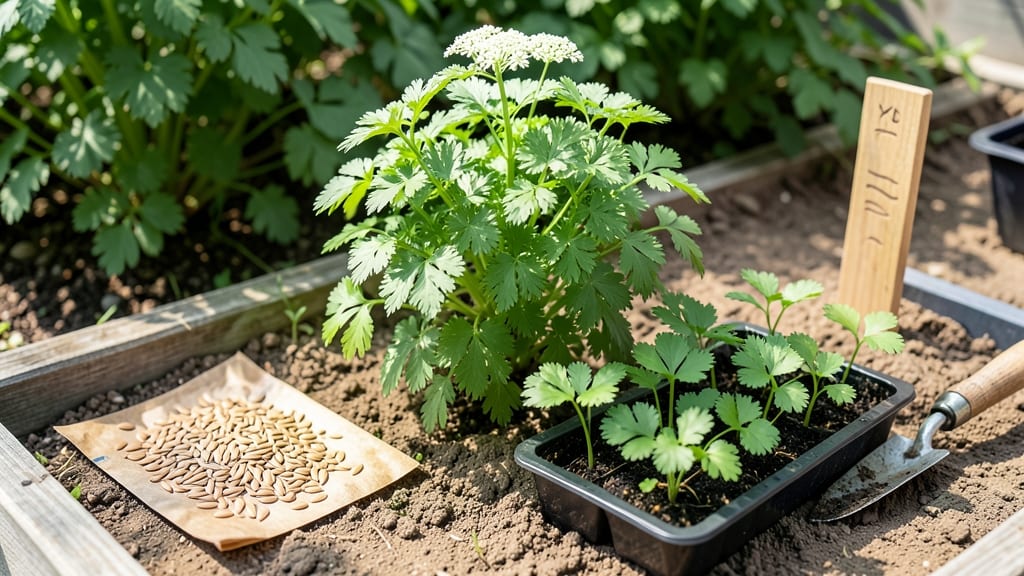
Timing your cilantro planting in North Carolina can make the difference between a thriving herb garden and a bitter disappointment.
That's because when to plant cilantro in NC isn't just about the calendar—it's about understanding your local microclimate and avoiding the dreaded bolting that turns your fresh cilantro into something that tastes like soap.
Most gardeners in North Carolina's 6b-8a zones know the struggle: plant too early, and frost gets your seedlings; plant too late, and the heat sends your cilantro running to seed before you can harvest.
The sweet spot? Early spring (March-April) and late summer (August-September) when temperatures cooperate with your cilantro's cool-weather preferences.
But here's the thing: even within North Carolina, conditions vary wildly from the cooler mountain regions to the warmer coastal plains. That's why I'm sharing the exact planting windows and pro tips to keep your 🌱 cilantro happy and productive all season long.
Let's get your garden growing the right way from day one.
You'll discover how to time your plantings perfectly, extend your harvest window, and avoid common mistakes that turn your cilantro into a science experiment gone wrong. Trust me, your taste buds will thank you when you're harvesting fresh leaves instead of dealing with bolted plants.
Best months to plant cilantro in NC to prevent bolting
North Carolina’s USDA Zones 6b-8a create a unique challenge for cilantro growers—too early, and frost threatens tender seedlings; too late, and heat triggers bolting. The key is planting during cool-season windows when soil temps stay below 75°F.
For most of NC, that means early spring (March-April) and late summer (August-September), with microclimate adjustments for coastal vs. mountain regions.
In coastal NC (Zones 7b-8a), like Wilmington or Morehead City, you can start cilantro as early as February and extend fall planting into October.
Meanwhile, in mountain regions (Zones 6b-7a), such as Asheville or Boone, wait until mid-April for spring and early September for fall to avoid late frosts or early heat waves.
Soil temperature is your best indicator—cilantro thrives when soil stays between 40°F and 70°F. Use a soil thermometer to confirm before planting. In central NC (Zone 7b), like Raleigh or Charlotte, aim for March 15-April 15 in spring and August 15-September 15 in fall for optimal results.
Here’s a quick reference for NC’s planting windows by region, including frost dates and ideal soil temps:
| Region | Spring Planting | Fall Planting | Soil Temp Threshold | Last Frost |
|---|---|---|---|---|
| Coastal (Zones 7b-8a) | February-March | September-October | 60°F-70°F | February 15-March 1 |
| Central (Zone 7b) | March 15-April 15 | August 15-September 15 | 55°F-65°F | March 15 |
| Mountain (Zones 6b-7a) | April 15-May 1 | September 1-August 15 | 50°F-60°F | April 15 |
🌱 Pro Tip: Use shade cloth (30-50%) if planting in late spring to protect seedlings from NC’s intense afternoon sun.
For summer cilantro, try shade-loving varieties like ‘Santo’ or ‘Calypso’ under 50% shade cloth from June to August. These varieties tolerate warmer temps (up to 80°F) better than standard cilantro, but expect slower growth and smaller leaves.
Pair this with daily morning watering to keep soil moist and prevent stress.
If you’re in Zone 8a (southeastern NC), like Fayetteville or Lumberton, you can squeeze in a third planting in late October for a winter harvest. Use row covers to protect from light frosts (28°F), and harvest before January’s cold snaps.
This method works best in sheltered microclimates, like near south-facing walls.
Timing isn’t just about months—it’s about moon phases too. Plant cilantro during the waxing moon (increasing light) for stronger roots and faster growth. Use a moon planting guide to align your March-April and August-September plantings with optimal lunar cycles for herbaceous plants.
Bolting is your biggest enemy in NC’s heat, but cool-season timing and shade strategies can keep your cilantro lush and flavorful. Start with the right month, monitor soil temps, and adjust for your local microclimate—your garden will thank you with bountiful harvests instead of bitter disappointment.
🌿
Best months to plant cilantro in NC to prevent bolting
North Carolina’s diverse climate means your cilantro planting schedule should vary slightly depending on whether you’re in the coastal plains, Piedmont region, or mountain areas.
The key to success is planting when soil temperatures stay below 75°F—any hotter, and your cilantro will bolt faster than you can say "salsa." For most of NC (USDA zones 6b-8a), that means focusing on early spring and late summer plantings.
In the coastal areas like Wilmington or Morehead City, you can start cilantro as early as mid-February under row covers or in a greenhouse. But inland in Raleigh or Charlotte, wait until late March to avoid frost damage.
The mountains (Asheville, Boone) have a longer window—plant in April when nighttime temperatures consistently stay above 40°F.
🌱 NC Cilantro Planting Guide by Season
| Season | Best Planting Months | Soil Temp Threshold | Harvest Window |
|---|---|---|---|
| Spring | March-April | 50-70°F | May-June |
| Fall | August-September | 60-75°F | October-November |
| Summer (with protection) | June-July (shade cloth) | Below 75°F | Limited harvest |
💡 Pro Tip: Use a soil thermometer to confirm temps before planting—cilantro hates heat!
For a second fall crop, sow seeds in late August in the mountains or early September in the Piedmont. Coastal areas can push it to mid-September, but be ready to cover young plants if a light frost sneaks in early.
The goal is to give your cilantro 60-70 days of cool weather before the first frost—any longer, and you’ll be fighting bolting again.
If you’re tempted to plant cilantro in summer, you can try it with 50% shade cloth to keep soil temps down. But expect slower growth and smaller harvests.
I’ve seen gardeners in Raleigh pull off container cilantro on patios with afternoon shade—it’s worth a try if you’re desperate for fresh leaves!
Remember: bolting happens when cilantro senses heat or long days. By planting at the right time, you’re essentially tricking your cilantro into thinking it’s still spring or fall. And that’s how you get flavorful, non-bitter leaves all season long. 🌿