
Plants
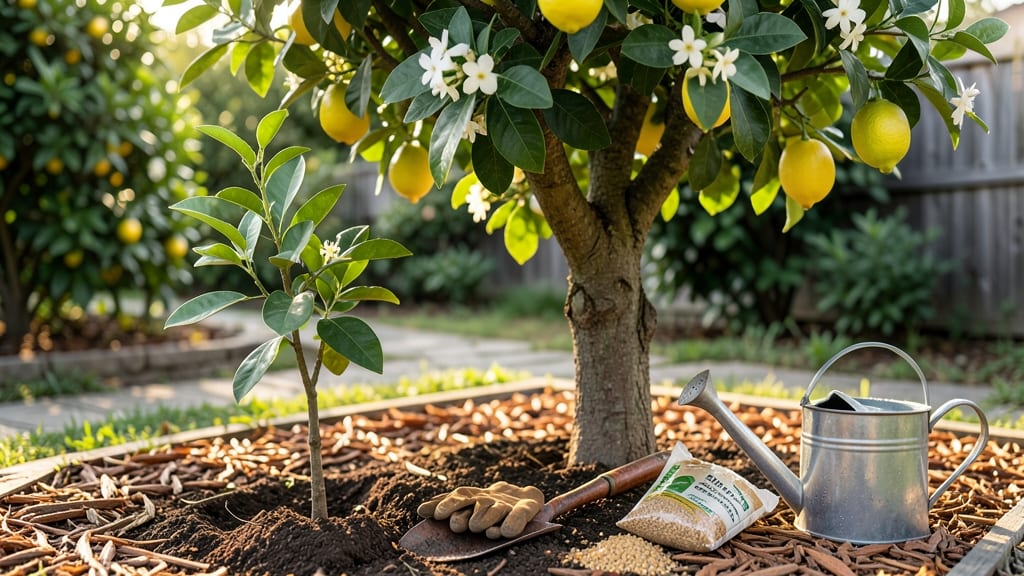
Timing your 🍊 citrus planting in Arizona right could mean the difference between a thriving orchard and a sad, wilted sapling. The desert’s unique climate—with its brutal summers and rare but dangerous frosts—demands precision, not guesswork.
Most gardeners know citrus loves heat, but what they don’t realize is that planting in Arizona’s winter months (November through March) gives young trees the best shot at survival. Cooler temperatures and lower evaporation rates let roots establish without the stress of scorching sun or transplant shock.
Whether you’re dropping a dwarf Meyer lemon into a container or planting a full-sized Valencia orange in the ground, the key is avoiding Arizona’s extreme heat. I’ll walk you through the exact window, soil prep tricks, and variety picks that actually work in the desert’s microclimates.
Ready to grow citrus that doesn’t just survive—but thrives? Let’s dive into the science-backed schedule that’ll have your trees bearing fruit in no time.
Best months to plant citrus trees in Arizona’s desert climate
Arizona’s desert climate may seem harsh, but it’s actually a golden opportunity for citrus trees—when you plant at the right time. The ideal window spans from November through March, when cooler temperatures and lower evaporation rates give young roots the best chance to establish.
This isn’t just about avoiding summer’s 110°F+ heat—it’s also about aligning with Arizona’s natural rainfall patterns. Winter months bring occasional showers, reducing your watering workload while the soil stays moist enough for root growth. Let’s break down the best months and what each offers.
🍊 Visual Comparison: Arizona Citrus Planting Months
Avoid planting in Arizona’s summer months (April through September) unless you’re using container gardening with shade cloth. The intense heat and low humidity create transplant shock, where young trees struggle to adapt to the sudden environmental change.
If you miss the winter window, your next best option is early October, when temperatures start to drop. Just be prepared for increased watering needs as summer’s heat lingers. For container-grown citrus, you can plant year-round, but winter still offers the best success rates.
Pro tip: Check your local USDA Zone 9b frost dates—even in Arizona, unexpected cold snaps can damage young citrus trees. Wrapping the trunk with burlap or using a frost cloth adds an extra layer of protection during those rare 32°F nights.
For container citrus, you have more flexibility, but still prioritize November-March. Containers dry out faster in summer, and the root ball heats up quickly, stressing the plant. Place pots in partial shade during peak summer if planting outside this window.
Ready to pick your citrus variety? The next section dives into which types handle Arizona’s heat best—and when to plant them for maximum fruit production. 🌱
Critical factors that determine citrus planting success in Arizona
Arizona’s desert climate isn’t just about heat—it’s about soil, water, and frost risks that can make or break your citrus tree’s survival. The wrong planting timing or poor site prep leads to transplant shock, root rot, or even death.
I’ve planted citrus in Phoenix and Tucson for over a decade, and these five critical factors separate thriving trees from failed experiments.
First, soil drainage is non-negotiable. Citrus roots hate soggy soil, and Arizona’s clay-heavy earth traps moisture. Amending with sand and compost creates the well-draining mix citrus craves.
Next, pH levels between 6.0 and 7.0 give trees access to nutrients. Test your soil—many Arizona yards are alkaline, which locks out essential iron and zinc.
Water availability is another dealbreaker. Newly planted citrus need consistent moisture but can’t handle waterlogged roots. I recommend drip irrigation set to deliver 1-2 inches per week during the cool season. Overwatering in summer causes fungal diseases like root rot, while underwatering stresses young trees.
Don’t overlook frost risk, even in the low desert. While Phoenix rarely dips below freezing, Tucson and Flagstaff see occasional 28°F nights that kill tender citrus. Planting after January 15 minimizes frost damage, but container-grown trees can be moved indoors if frost is forecasted.
Avoid summer planting at all costs. The 110°F+ heat causes transplant shock, where roots cook in the ground. Even shade-cloth protection won’t save young trees from the stress. Instead, plant in November or February when temps hover in the 60s-70s°F, giving roots time to establish before summer’s fury.