
Trees
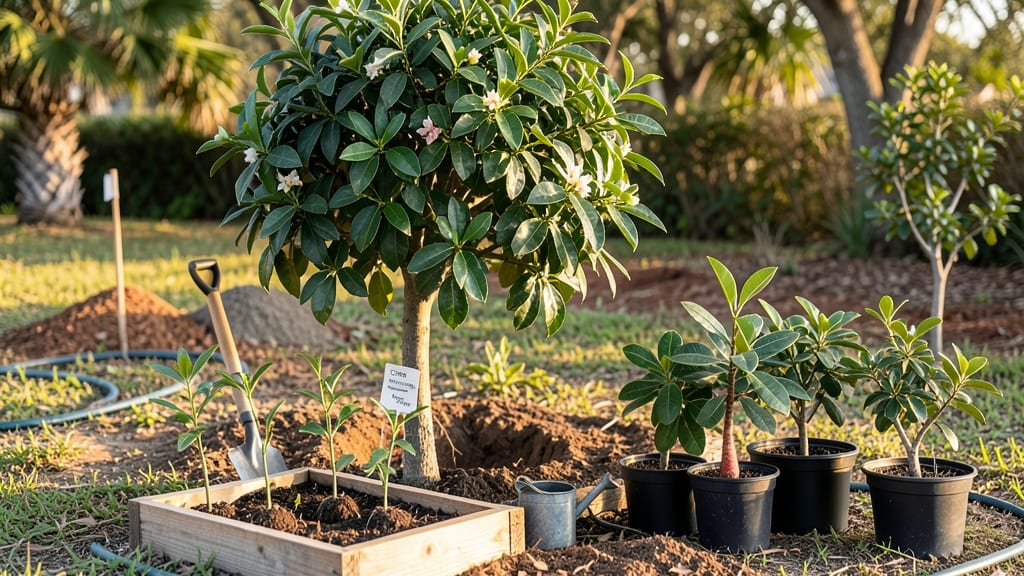
When to plant fruit trees in Florida isn’t just about the calendar—it’s about matching varieties to your microclimate’s chill hours to avoid frost damage and ensure a bountiful harvest. 🍎 With zones ranging from 8a to 11, Florida’s year-round growing season lets you plant almost anytime, but timing is everything for tropical citrus versus chill-loving peaches.
Picture this: You’ve just planted a $100 avocado tree in the scorching summer heat, only to watch it struggle in the humidity. Or worse, you wait until spring to plant a peach tree, only to realize it needs 350+ chill hours—something North Florida gets, but South Florida rarely does.
The key? Planting citrus and tropical varieties in fall or winter when cooler temps help roots establish, while semi-tropical and temperate trees (like plums or figs) thrive when planted in early spring.
This isn’t just theory—it’s a game-changer for Florida gardeners. I’ll break down the exact months to plant based on your county’s chill hours, so you can skip the guesswork and grow fruit trees that actually produce.
Whether you’re in Jacksonville’s Zone 8a or Miami’s Zone 11, you’ll learn which varieties to pick, when to avoid planting, and how to prep your soil for success.
Ready to turn your backyard into a fruit-bearing paradise? Let’s dive into the step-by-step guide that’ll help you time your plantings perfectly—no more wasted money or wilting saplings. Your future harvest starts now.
Best planting months for Florida fruit trees by chill-hour needs
Florida’s year-round growing season might make you think you can plant fruit trees anytime—but chill-hour requirements dictate success. Trees like peaches and plums need 350+ chill hours to bloom, while citrus thrives with 0–100 chill hours.
Planting at the wrong time can lead to poor fruit set or even tree death.
In North Florida (Zone 8a), where frost is possible, aim for bare-root planting in late fall or winter (November–February) to avoid cold stress. South Florida (Zones 9a–11) gardeners enjoy more flexibility, with spring or fall being ideal for most varieties.
Let’s break down the best months for each fruit tree category.
🌱
| Fruit Tree Type | Chill-Hour Range | Best Planting Months | Notes |
|---|---|---|---|
| Citrus (Oranges, Grapefruit, Limes) | 0–100 hours | November–March | Avoid summer planting; heat stress is risky. |
| Tropical (Mango, Avocado, Guava) | 0–50 hours | Spring (March–May) or Fall (September–October) | Container-grown trees can be planted year-round. |
| Semi-Tropical (Fig, Pomegranate, Loquat) | 100–300 hours | Fall (October–November) or Early Spring (February–March) | Transplant bare-root trees in cooler months. |
| Temperate (Peach, Plum, Nectarine) | 350–600 hours | Late Fall (November–December) or Early Winter (January) | Critical for dormancy; avoid spring planting. |
| Cold-Hardy (Apple, Pear) | 600–1,000 hours | Late Winter (February) only in North Florida | Risky in South Florida; requires microclimate protection. |
For citrus trees, November–March is prime because cooler temps reduce transplant shock. Mangoes and avocados, however, prefer spring planting (March–May) to establish roots before summer’s intense heat. Peaches and plums must go in the ground before winter to meet their chill-hour needs.
If you’re in North Florida, prioritize bare-root trees in December–January to give roots time to establish before spring growth. South Florida gardeners can plant container-grown trees year-round, but fall is still best for most varieties. Always check your local chill-hour map—Florida’s microclimates vary wildly even within counties!
Pro tip: Container-grown trees (potted) adapt better to summer planting because their roots stay moist longer. If you must plant in summer, water deeply every 2–3 days and use shade cloth for the first month to reduce stress. 💧
One common mistake? Planting temperate fruit trees in spring. These trees need dormancy to set buds for next year’s fruit. If you miss the fall/winter window, your tree might bloom but produce no fruit. Always match your tree’s chill-hour needs to your local climate data.
For example, a Bonanza peach tree (which needs 400–500 chill hours) will fail in Miami but thrive in Gainesville. Use the UF/IFAS Chill-Hour Calculator to find your exact zone. 🌡️
Finally, soil temperature matters just as much as air temperature. Roots struggle to grow when soil is below 60°F.
In North Florida, wait until soil warms in late winter (March) for tropical varieties. South Florida soils stay warm year-round, so timing shifts to avoiding hurricane season (June–October) for outdoor planting.
Next, we’ll dive into how to pick the right fruit tree for your specific Florida county—including chill-hour maps and regional favorites that actually thrive where you live. 🌳
How to match fruit tree varieties to Florida’s chill-hour zones
Matching fruit trees to Florida’s chill-hour zones is the secret to avoiding frost damage and maximizing your harvest. 🌱 Florida’s climate varies dramatically from North to South, with chill hours ranging from 0 in Miami to 600+ in Jacksonville.
If you plant a peach tree in Zone 11 (like Miami), it’ll struggle—because peaches need 350+ chill hours to fruit properly.
Here’s how to decode your county’s chill hours and pick the perfect fruit trees for your microclimate. First, check your USDA Hardiness Zone and average chill hours (available on the UF/IFAS Chill Hour Map).
For example, Orlando (Zone 9a) averages 200–300 chill hours, while Tallahassee (Zone 8a) gets 400–500 chill hours.
For Zone 8a–9a (North/Central Florida), focus on semi-tropical varieties like figs, loquats, and muscadines (200–350 chill hours). In Zone 10a–11 (South Florida), stick to tropical trees like mangoes, avocados, and citrus, which thrive with 0–150 chill hours.
Even within these zones, microclimates matter—hills and coastal areas can have 50% fewer chill hours than inland spots.
| Chill-Hour Zone | Best Fruit Trees | Avoid These Trees | Planting Window |
|---|---|---|---|
| 0–150 (Zones 10b–11) | Citrus (oranges, grapefruit), mango, avocado, banana, lychee | Peaches, plums, nectarines, pears | Spring (March–May) or Fall (Sept–Nov) |
| 150–350 (Zones 9a–9b) | Figs, loquats, muscadines, persimmons, pomegranates | Apples (most varieties), cherries, blueberries (northern types) | Fall (Oct–Dec) or Early Spring (Jan–Feb) |
| 350–600 (Zones 8a–8b) | Peaches, plums, nectarines, apples (crabapples), muscadine grapes | Tropicals (avocado, mango), citrus (struggle) | Late Winter (Feb–March) |
🌿 Pro Tip: Use UF/IFAS Chill Hour Calculator to find your exact county’s hours.
If you’re in Central Florida (Zone 9a), prioritize figs and loquats—they handle 200–300 chill hours perfectly and fruit reliably.
For North Florida (Zone 8a), add peaches and plums to your list, but avoid tropical varieties unless you’re willing to grow them in containers and move them indoors during rare cold snaps.
For South Florida (Zone 10a–11), citrus and avocados are your best bets—but even here, chill hours matter. A Valencia orange needs 100–150 chill hours, while a Satsuma mandarin can thrive with as few as 50–100 chill hours.
Planting in fall (Sept–Nov) gives roots time to establish before summer’s heat stress.
Don’t forget about microclimates—even within a city, a hilltop might get 50% more chill hours than a valley. Observe your yard for frost pockets or warm microclimates near buildings or pavement. If you’re unsure, start with container-grown trees—they’re flexible and can be moved if needed. 🪴