
Trees
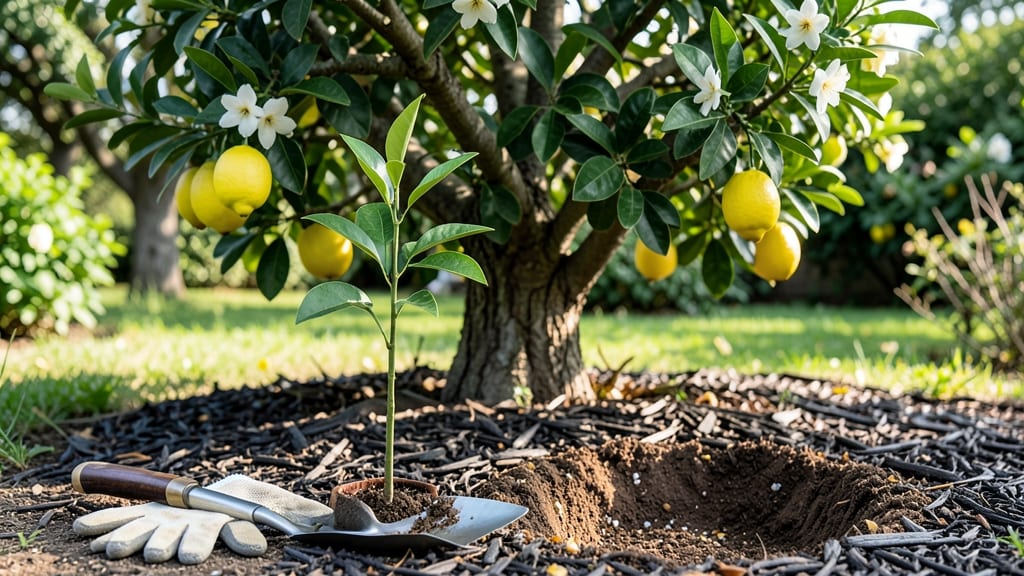
Timing your 🍊 citrus tree planting in Zone 9 isn't just about picking a month—it's about giving your tree the best shot at thriving before summer's brutal heat takes over.
Plant too early, and you risk weak roots struggling with winter chill; too late, and your young tree battles heat stress from day one.
Most gardeners in Zone 9 swear by late winter to early spring, but there's more to it than just the calendar. The key is planting when soil temperatures hit 60°F+, ensuring roots establish before the real heat arrives.
This window—typically February through March—lets your citrus tree focus on growth instead of survival.
Why does this matter? Because a well-timed planting means stronger roots, faster fruit production, and trees that handle Zone 9's intense summers like pros. Whether you're in California's coastal breeze or Arizona's desert climate, these insights will help you avoid common mistakes that stifle growth from the start.
I'll break down the exact months to plant, what to watch for, and how to prep your tree for summer—so you can enjoy that first harvest sooner than you think. Let's get those roots growing right.

Optimal planting windows for citrus trees in Zone 9: month-by-month breakdown
In Zone 9, where summers are scorching and winters are mild, timing your 🍊 citrus tree planting is more science than guesswork. The ideal window stretches from late winter through early spring, but each month brings unique challenges.
Let’s break down what works—and what doesn’t—so you can plant with confidence.
Most gardeners in Zone 9 target February through March for planting, but the best month depends on your microclimate. Coastal areas like Southern California may push planting into April, while inland desert regions like Arizona should aim for February to avoid early heat spikes.
The goal? Establish roots before soil temps hit 80°F+.
Here’s the month-by-month breakdown, including soil conditions, pest risks, and regional nuances to help you decide:
| Month | Soil Temp (°F) | Pest Risk | Rainfall | Best For |
|---|---|---|---|---|
| February | 55–65°F | Low (aphids) | Moderate | Inland desert areas |
| March | 60–70°F | Moderate (scale insects) | Low | Coastal & most of Zone 9 |
| April | 70–75°F | High (whiteflies) | Very Low | Coastal areas only |
| May | 75–85°F | Very High (all pests) | None | Avoid (unless container-grown) |
While March is the sweet spot for most of Zone 9, don’t dismiss February entirely. Inland areas like the Sonoran Desert can still plant in February if you use shade cloth to protect young trees from sudden heat spikes.
Conversely, coastal regions like San Diego might extend planting into April thanks to cooler ocean breezes.
Avoid planting in May or later unless you’re using container-grown trees with shade protection. The combination of high soil temps and peak pest activity makes summer planting risky for bare-root or small container trees.
If you miss the window, wait until next year—rushing leads to transplant shock and poor root establishment.
Pro tip: Check soil temps with a soil thermometer before planting. Aim for 60°F+ at 6 inches deep. If temps are cooler, wait—your citrus tree’s roots will thank you later with faster growth and better fruit production.
Regional nuances matter too. In Florida’s Zone 9, where humidity is higher, planting in late winter helps avoid fungal diseases. Meanwhile, Arizona’s low humidity means you can push planting into early March without worry. Always factor in your local microclimate—even a few degrees can make a difference.
Once you’ve picked your month, focus on root establishment in the first 6–8 weeks. Use mulch to retain moisture and keep roots cool, and water deeply 2–3 times per week until the tree is settled.
With the right timing, your citrus tree will be ready to thrive through Zone 9’s brutal summers.
Critical factors that determine the best planting time for citrus in Zone 9
When planting citrus trees in Zone 9, the clock isn't just about months—it's about soil temperature, humidity levels, and even pest activity. These factors can make or break your tree's survival, especially when summer heat arrives.
For example, soil temperatures below 60°F can stunt root growth, while planting too late risks heat stress before roots establish.
Let's break down the key variables that influence the perfect planting window. Understanding these will help you adjust timing based on your specific microclimate, whether you're in coastal California, desert Arizona, or Florida's humidity.
Each region has its own nuances that can shift the ideal planting date by weeks.
First, soil temperature is non-negotiable. Citrus roots need warmth to grow—aim for 60°F+ soil temps before planting. In Zone 9, this typically aligns with late February to early March, but coastal areas may be ready earlier due to milder winters.
Use a soil thermometer to check—this small tool can save your tree from a slow, struggling start.
Next, consider humidity and rainfall. High humidity in Florida or Arizona's monsoon season can encourage fungal diseases if planting happens too late. In contrast, dry heat in desert climates means you'll need to water more frequently post-planting.
Timing your citrus tree to avoid these extremes—planting before the summer heat peak—gives roots time to establish without battling drought stress.
Don't overlook pest risks, either. Early spring planting in Zone 9 often coincides with aphid outbreaks or citrus leaf miners. These pests target young, tender growth, so monitor your tree closely in the first 4-6 weeks after planting.
A neem oil spray can be your first line of defense if you spot early signs of infestation.
Finally, heat tolerance plays a role. While citrus trees love heat, young trees struggle with intense afternoon sun if planted too late. Providing light shade cloth (30-50% coverage) for the first 2-3 months can protect delicate leaves while roots grow.
This is especially critical in Arizona's desert climates, where summer temperatures can exceed 100°F.
By aligning your planting with these critical factors, you'll give your citrus tree the best chance to thrive. The goal is simple: strong roots before summer heat. With the right timing, your tree will reward you with vigorous growth and abundant fruit in no time. 🌱