
Plants
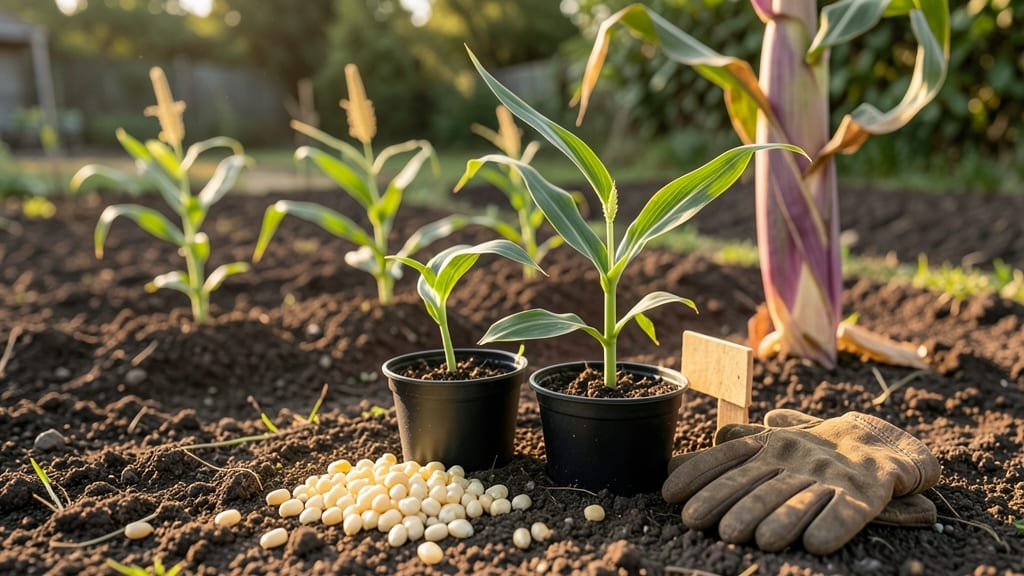
Timing your 🌽 corn planting in North Carolina can make or break your harvest—get it wrong, and you might end up with stunted plants or lost yields. With the state’s diverse climate zones, from coastal humidity to mountain chill, knowing the exact window is the key to success.
Most gardeners in zones 6b-8a should aim to plant between mid-April and late May, after the last frost date. But here’s the catch: early varieties need to go in sooner, while late-season types can wait a bit longer.
Missing this window means risking frost damage or poor pollination, which can turn your hard work into disappointment.
In this guide, I’ll break down the best planting times for your specific zone, including how to adjust for early or late varieties. You’ll also learn how to spot the perfect soil conditions and avoid common pitfalls like pests or uneven growth.
Ready to grow the sweetest, most productive corn in your garden? Let’s dive into the exact deadlines and tips that will set you up for a bountiful harvest from July to September.
North Carolina corn planting deadlines by growing zone (USDA 7a-8b)
North Carolina’s diverse climate means your corn planting window varies dramatically from the coastal plains to the mountain regions. The state spans USDA zones 7a-8b, with last frost dates ranging from early March in the south to late April in the mountains.
To maximize your harvest yield, align planting with your specific zone’s soil temperature and frost-free period.
Most sweet corn varieties need 90-120 days to mature, while field corn and popcorn can take 100-150 days. Planting too early risks cold soil and frost damage, while late planting may mean harvesting before maturity due to fall frosts.
Let’s break down the optimal planting deadlines for each zone to ensure your corn reaches peak sweetness.
🌽 PRO TIP: Use a soil thermometer to confirm temperatures are consistently 60°F+ before planting—cold soil delays germination.
| USDA Zone | Last Frost Date | Ideal Planting Window | Soil Temp Requirement | Harvest Window | Best Varieties |
|---|---|---|---|---|---|
| 7a (Mountains: Asheville, Boone) | April 15-May 1 | May 1-15 | 60°F+ (consistent) | Late July-Sept 15 | Early: 'Silver Queen', 'Peaches and Cream'; Late: 'Pioneer 3902' |
| 7b (Piedmont: Raleigh, Greensboro) | March 20-April 10 | April 15-May 10 | 60°F+ (consistent) | June 20-Aug 30 | Early: 'Ambrosia', 'Bodacious'; Late: 'Golden Bantam' |
| 8a (Coastal Plains: Wilmington, Fayetteville) | March 1-March 15 | March 20-April 30 | 55°F+ (minimum) | May 15-July 15 | Early: 'Sweetie', 'Country Gentleman'; Late: 'Peach Jubilee' |
| 8b (Southeast: Charlotte, Greenville) | February 28-March 10 | March 15-April 20 | 55°F+ (minimum) | April 30-June 30 | Early: 'Temptation', 'Luscious'; Late: 'Black Aztec' |
If you’re in zone 7a (mountains), wait until May 1 to plant—earlier sowings risk soil-borne diseases from lingering moisture. Meanwhile, coastal gardeners in zone 8b can start as early as March 15, but avoid planting before soil temperatures hit 55°F to prevent germination issues.
For successive plantings, space out sowings every 2 weeks to extend your harvest season. For example, in zone 7b, plant one batch on April 15, another on May 1, and a final batch on May 15 for a staggered harvest from June to August.
⚠️ WARNING: Avoid planting corn in the same spot year after year—rotate crops to prevent soil depletion and pest buildup, especially corn earworms and corn rootworms.
Microclimates matter! If you’re in a valley or near a large body of water, expect later frosts and adjust planting dates 1-2 weeks later than the zone average. Use a local weather station or NC State Extension resources to fine-tune your schedule.
Remember, corn thrives on warmth—if your area experiences unseasonably cool springs, consider row covers or black plastic mulch to warm the soil faster. This is especially useful for mountain gardeners in zone 7a.
For popcorn varieties, which often take 100+ days to mature, prioritize early planting in zone 8b (by March 15) to ensure a full harvest before fall frosts. Sweet corn, with its shorter 90-day window, offers more flexibility for late-season plantings.
How to adjust planting dates for early vs. late varieties of corn
Choosing the right corn variety is just as important as timing—early, mid, and late-season types all have different planting windows to maximize your harvest.
In North Carolina, where frost-free days range from 180 to 240, selecting the wrong maturity group can mean missing the sweet spot between frost risk and peak flavor.
Early varieties (like 'Silver Queen') mature in 60-70 days, giving you a head start. These should go in the ground as soon as soil reaches 60°F, often by early April in coastal zones.
Late varieties (such as 'Black Mexican') take 90-120 days, so they need a later start—typically mid-to-late May—to avoid frost before harvest.
Here’s the key: calculate your first frost date (usually November 1 in NC) and work backward. Early corn needs 90-100 days before frost, while late corn requires 120-140 days. Use this rule to fine-tune your schedule and avoid wasted seeds or stunted growth.
✅ Pros:
- Faster harvest (60-70 days)
- Lower frost risk
- Great for short seasons
✅ Pros:
- Larger ears
- Better flavor development
- Extended harvest window
❌ Cons:
- Smaller ears
- Less sweetness
- Shorter harvest window
❌ Cons:
- Higher frost risk
- Needs longer growing season
- Slower to mature
Best For:
- Coastal NC (zones 7b-8a)
- Early spring planters
- Small gardens
Best For:
- Mountain NC (zones 6b-7a)
- Longer seasons
- Large harvests
Early April - Mid-May
Mid-May - Early June
For gardeners in USDA zone 7a (like the Piedmont), aim for mid-April for early corn and late May for late varieties. In zone 8a (coastal areas), you can push early plantings to early March if using row covers, but late varieties should still wait until mid-May.
Always check your local frost dates—they can shift yearly!
Pro tip: If you love fresh corn all summer, try succession planting—sow early varieties in April, mid-season types in late May, and late varieties in early June. This stretches your harvest from July to September and ensures you always have sweet, tender ears on the cob.
Remember, soil temperature matters more than air temperature. Use a soil thermometer to confirm it’s at least 60°F before planting—cold soil delays germination and weakens seedlings. With the right variety and timing, you’ll be grilling corn straight from your garden in no time!