
Plants
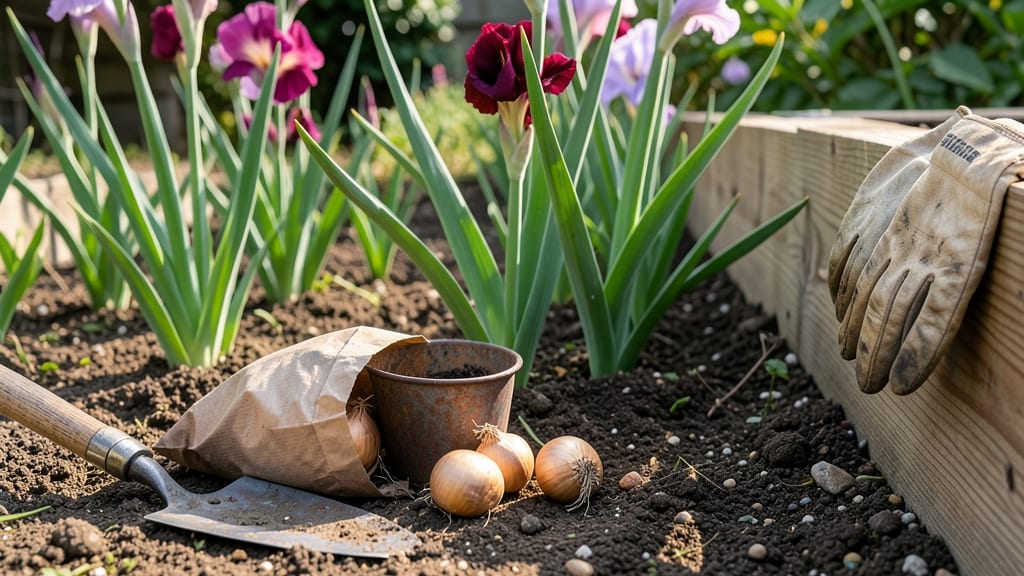
Timing is everything when it comes to planting gladiolus bulbs in Colorado, and getting it wrong could mean frost-kissed dreams or weak blooms.
The Rocky Mountain climate throws curveballs with its rapid temperature swings, but knowing your USDA zone—whether you're in Denver's Front Range or the Western Slope—makes all the difference.
Most Colorado gardeners wait until mid-April to mid-May after the last frost, but that window shifts depending on elevation. At 5,000 feet, you might plant a week earlier than someone at 8,000 feet. The key is soil temperature: aim for 60°F or warmer to kickstart those 🌸 roots.
Here’s the game-changer: Colorado State University Extension data shows that planting too early risks frost damage, while waiting too long stunts your gladiolus’ growth. I’ll break down exactly when to dig in your specific zone—and how to prep your soil so these dramatic bloomers thrive in our thin mountain air.
Ready to turn your garden into a summer spectacle? Let’s get those bulbs in the ground at the perfect moment, so you’re rewarded with 4-5 foot spikes of color from July through September. Your future self will thank you.
Colorado planting zones for gladiolus: when to plant by USDA Zone
Colorado’s diverse USDA Zones 4-7 create unique challenges for gladiolus growers. Unlike coastal regions, our high-altitude zones (like Denver’s Zone 5) have earlier frost risks than lower-elevation areas (e.g., Pueblo’s Zone 6). Timing your plantings to match your specific zone ensures vibrant blooms and avoids frost damage.
Gladiolus bulbs need soil temperatures above 60°F to sprout successfully. In Colorado, this typically aligns with mid-April to mid-May for most zones, but high-elevation gardens (above 7,000 ft) may need to wait until late May. Always check your local last frost date—Colorado State University Extension provides zone-specific forecasts.
Pro Tip: Use a soil thermometer to confirm readiness. Plant too early, and your bulbs may rot in cold soil. Too late, and you’ll miss the 90-day bloom window before Colorado’s first frost in October.
Colorado’s microclimates mean your neighbor’s perfect timing might not work for you. For example, Denver’s urban heat island can be 5-10°F warmer than nearby suburbs, allowing earlier plantings. Meanwhile, mountain valleys (like the San Luis Valley) often experience later frosts due to cold air pooling.
To extend your blooming season, try successive planting every 2-3 weeks. Start with early varieties in mid-April, then follow with mid-season types in early May. This staggered approach ensures continuous color from July through September, even in shorter growing zones.
Watch for unpredictable late frosts, especially in Zone 5 and above. Use frost cloth for the first 2 weeks after planting if nighttime temperatures dip below 40°F. This simple protection can save your emerging shoots and give your gladiolus a strong start.
For high-altitude gardens (7,000+ ft), consider planting bulbs in containers that you can move to sheltered locations during cold snaps. This flexibility helps you adjust to Colorado’s erratic weather patterns while still enjoying summer blooms.
Always amend your soil before planting—Colorado’s alkaline soils can stress gladiolus roots. Work in compost and sand to improve drainage, especially in clay-heavy areas common in the Front Range. Proper soil prep is just as critical as timing for healthy growth.
Remember: Colorado’s growing season is short. By planting at the right time for your zone and preparing your soil properly, you’ll give your gladiolus the best chance to thrive in our challenging climate.
With the right variety and timing, you’ll enjoy stunning summer blooms that outshine even our famous Rocky Mountain sunsets 🌸.
Colorado planting zones for gladiolus: when to plant by USDA Zone
Colorado’s USDA zones range from 4 in the high mountains to 7 in the lower valleys, and each zone demands a slightly different approach for planting gladiolus bulbs.
The general rule is to wait until after the last frost—but in Zone 4 (e.g., Aspen, Leadville), that could mean waiting until late May, while Zone 7 (e.g., Colorado Springs, Pueblo) gardeners can plant as early as mid-April.
Gladiolus bulbs need soil temperatures of 60°F or warmer to sprout successfully. Use a soil thermometer to check—if the ground feels cool to the touch, wait a few more days.
In high-altitude zones (5,000+ ft), soil warms slower, so delay planting until late April or early May, even if the calendar says spring has arrived.
Here’s the critical timeline for Colorado’s most common zones, based on Colorado State University Extension data and local gardener reports:
Pro tip: If you’re in a microclimate (like a sheltered valley or urban heat island), adjust your timing by 1–2 weeks. For example, Denver’s city center (Zone 6) may warm up faster than nearby foothills.
Always monitor local weather forecasts for unexpected late frosts, which can still occur in May.
Once your soil hits 60°F, plant bulbs 4–6 inches deep and 4–6 inches apart in well-draining soil. In Zone 7, you can even try a second planting in early July for fall blooms—just reduce watering as temperatures drop.
The key is matching your gladiolus’ heat tolerance to Colorado’s summer intensity.
For extra insurance, mulch with straw or wood chips after planting to stabilize soil temperature and retain moisture. This is especially critical in Zone 4–5, where dry mountain winds can stress young plants.
With the right timing, your gladiolus will reward you with dramatic spikes of color from July through September—making every late-spring effort worth it. 🌸