
Plants
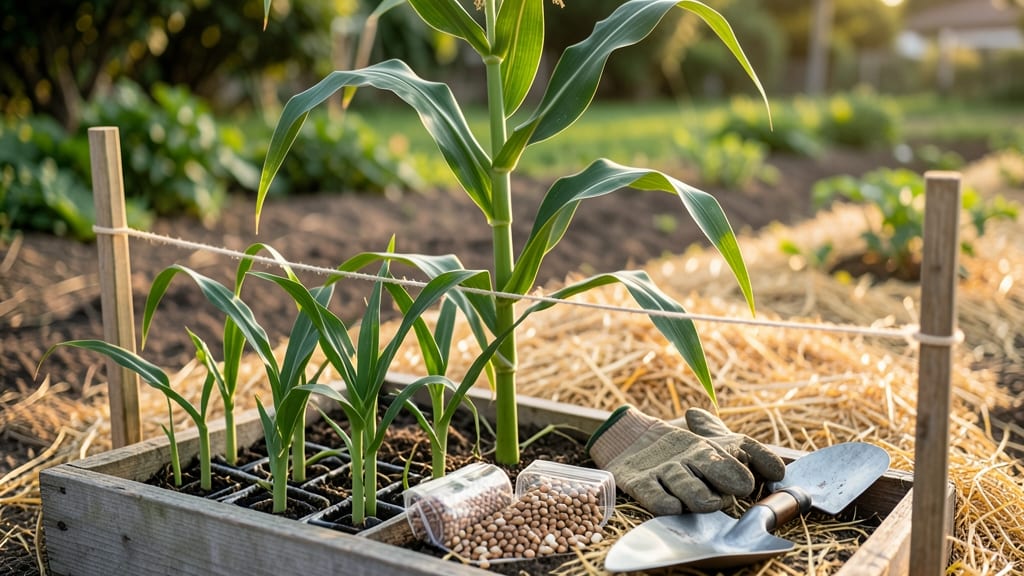
Timing your corn planting in Zone 7a could be the fastest way to guarantee a thriving harvest—or risk watching your crop struggle from the start. The difference often comes down to soil temperature, which most gardeners overlook until it's too late.
Corn thrives when soil hits at least 60°F, and in Zone 7a, that window typically opens between mid-April and late May. Planting too early means slow germination, while waiting too long cuts your harvest window short.
I’ll show you exactly how to time it right for fast growth and maximum yield.
Whether you’re growing sweet corn for summer meals or field corn for fall storage, getting the timing perfect is everything. We’ll cover soil testing tricks, frost date adjustments, and even how to stretch your planting season with simple row covers.
Ready to grow corn that stands taller than a basketball hoop? Let’s dive into the exact steps to plant your 🌽 at the perfect moment—so you’re harvesting ears by July instead of waiting on empty stalks.

Optimal soil temperature triggers for corn germination in Zone 7a
Corn thrives when planted at the right soil temperature, and in Zone 7a, timing is everything. Unlike cool-season crops, corn demands warmth to germinate—at least 50°F—but won’t tolerate cold soil for long.
The ideal window opens when daytime highs consistently hit 60°F or warmer, typically mid-April to late May in most of Zone 7a. This timing ensures your seeds sprout quickly and avoid the risk of rotting in chilly soil.
Why does soil temperature matter so much? Corn seeds struggle to germinate below 50°F, and even at 55°F, germination slows dramatically. In my garden, I’ve seen seeds take 10+ days to sprout when planted too early—wasted time and space!
To avoid this, I always check soil temps with a soil thermometer before planting. A quick test in the morning (when soil is coolest) gives me the most accurate reading.
Zone 7a’s climate adds another layer of complexity. While the average last frost date is around April 15, late frosts can linger into early May, especially in higher elevations or near water bodies. Planting too soon risks frost damage to young seedlings.
I wait until at least 2 weeks after the last frost date to ensure safety, but I also confirm soil warmth—because even after frost danger passes, cold soil can stall germination.
| Trigger | Zone 7a Timeline | Action |
|---|---|---|
| Soil Temperature | 50°F+ (consistent) | Test with thermometer; plant when 60°F+ |
| Last Frost Date | April 15 (avg.) | Wait 2+ weeks after last frost |
| Daytime Highs | 60°F+ (consistent) | Best window: mid-April to late May |
| Germination Speed | 50°F: 10+ days | 60°F+: 5-7 days | Aim for fast sprouting to avoid pests |
| Heat Waves | Early June+ | Adjust for drought; mulch heavily |
Not all corn varieties play by the same rules. Sweet corn (like ‘Silver Queen’) germinates fastest at 60–65°F, while field corn and popcorn can tolerate slightly cooler soil (55°F). If you’re growing multiple types, plant sweet corn first—it’s the most sensitive to cold.
I’ve also noticed that organic corn seeds often germinate slightly slower than conventional ones, so I give them an extra week of warm soil prep.
One trick I’ve learned is to use black plastic mulch to warm the soil faster. Lay it down 1–2 weeks before planting to raise soil temps by 5–10°F. This is especially helpful if your spring is cool or rainy. Just
What if you miss the ideal window? Don’t panic—corn is resilient! You can try a late planting in early June for a fall harvest, but choose fast-maturing varieties (like ‘Early Sunglow,’ which matures in 65 days). Just be prepared for smaller ears, as heat stress in late summer can reduce yield. I’ve had success with this method, but I always prioritize soil temperature over calendar dates.
Finally, pay attention to moisture levels during germination. Corn seeds need consistent moisture to sprout, but soggy soil can cause rot. After planting, keep the soil evenly moist (not waterlogged) until seedlings emerge.
A light misting every 2–3 days works well in Zone 7a’s spring weather. Once the first true leaves appear, you can increase watering to 1 inch per week.
Timing your corn planting in Zone 7a boils down to soil temperature + frost dates. By mastering these triggers, you’ll set your crop up for success—whether you’re growing sweet corn for dinner or popcorn for movie nights.
Next, we’ll tackle how to adjust for late frosts and heat waves to protect your young plants.
Optimal soil temperature triggers for corn germination in Zone 7a
Corn seeds won’t germinate until soil reaches 50°F, but they thrive best at 60°F or warmer. In Zone 7a, this typically means waiting until mid-April to late May, depending on your microclimate.
Cold soil slows germination, leading to uneven sprouts and stunted growth—so don’t rush planting just because the air feels warm.
To check soil temperature, use a soil thermometer (insert 2 inches deep) or press your hand into the ground: if it feels cooler than your wrist, wait a few days.
Morning temperatures are the most reliable indicator since soil cools overnight. Pro tip: Dark, loose soil warms faster than compacted or sandy soil.
| Stage | Soil Temp (°F) | Zone 7a Window | Action |
|---|---|---|---|
| Germination Start | 50°F+ | Mid-April | Test soil daily; wait for consistency |
| Ideal Growth | 60°F+ | Late April–May | Plant after 2 weeks frost-free |
| Heat Stress Risk | 85°F+ | June+ | Use shade cloth; mulch heavily |
| Harvest Ready | N/A | July–Oct | Check silks (brown = ready) |
Sweet corn varieties like ‘Silver Queen’ (70-day maturity) need the full 60–85°F window, while faster-maturing popcorn (e.g., ‘Illini Evergreen’) can tolerate slightly cooler soils. Field corn, however, demands warmer soil to prevent root rot—so prioritize late May plantings if growing for grain.
For succession planting, sow a second batch 2–3 weeks after your first planting. This stretches your harvest into early October, giving you fresh ears for grilling or canning. Just ensure the second batch gets planted before soil temperatures dip below 60°F again in late summer.
If your soil stays stubbornly cold, consider black plastic mulch to warm it faster. Lay it down 1–2 weeks before planting—it can raise soil temps by 5–10°F, speeding up germination. Just remove it once plants emerge to avoid overheating.
Remember: Corn’s germination window is tight—seeds lose viability after 2–3 years, so use fresh seed for the best starts. Store extras in a cool, dry place (below 40°F) to preserve viability for next season.