
Plants
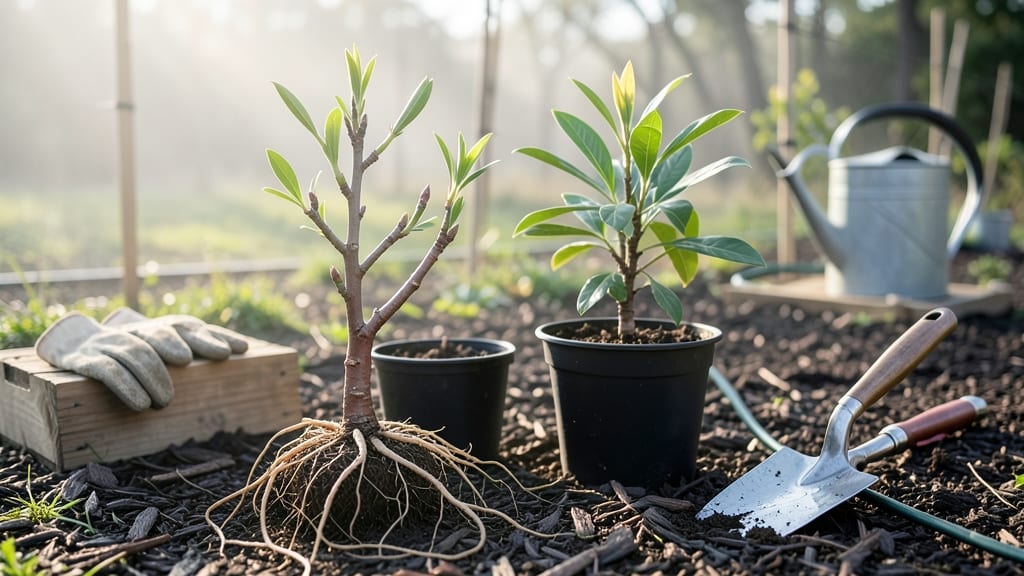
Planting your crape myrtle 🌸 at the wrong time in Virginia could mean struggling roots and stunted growth—even if you’ve chosen the perfect variety for your yard. The key to success lies in understanding your specific USDA zone (6a-8a) and aligning your planting schedule with Virginia’s unpredictable frost dates.
Most gardeners in Virginia know crape myrtles thrive in spring, but the exact timing matters more than you might think. Whether you’re in Northern Virginia’s cooler climate or Southern Virginia’s milder winters, missing these zone-specific deadlines could leave your trees vulnerable to heat stress or winter freeze.
In this guide, I’ll break down the best planting windows—from late winter to early spring or fall—so you can avoid common mistakes and give your crape myrtle the strong start it deserves. Let’s make sure your tree grows into a stunning focal point, not a struggling afterthought.
Ready to plant with confidence? You’ll learn how to prepare your soil, choose the right time for your zone, and keep your crape myrtle thriving year after year. Let’s get started!
Virginia planting zones and crape myrtle deadlines by month
Virginia’s USDA zones 6b-8a create distinct planting windows for crape myrtles, where timing can mean the difference between a thriving tree and one struggling to establish.
The ideal planting window spans from late winter to early spring (after last frost) or fall (4-6 weeks before first frost), but exact dates vary dramatically between Northern Virginia and the Tidewater region.
For Northern Virginia (6b-7a), where winters are colder, the safest window is April 15-May 15 for spring planting. This avoids late frosts that can damage tender new growth.
In Southern Virginia (7b-8a), you can start as early as March 1 for container-grown trees, thanks to milder winters and later frost dates.
Fall planting is also viable but requires precise timing. Aim for October 1-November 15 in Northern Virginia and October 15-November 30 in Southern Virginia. Planting too late risks root establishment struggles before winter dormancy begins.
Soil temperature is critical—wait until soil reaches 60°F (15°C) at 4 inches deep. In Virginia, this typically aligns with mid-April in Northern zones and early April in Southern zones. Use a soil thermometer to confirm before planting.
Container-grown crape myrtles offer more flexibility and can be planted year-round except winter. However, avoid extreme heat (July-August) or cold snaps (December-February) to prevent transplant shock. Bare-root trees should only be planted in dormant season (late fall or early spring).
Microclimates within Virginia add another layer of complexity. For example, Roanoke’s higher elevation (zone 6b) experiences earlier frosts than nearby Lynchburg (zone 7a). Always check your local frost dates and adjust planting accordingly. The Virginia Cooperative Extension provides excellent zone-specific resources.
If you’re planting in coastal Virginia (Tidewater), expect slightly later frosts due to the moderating influence of the Atlantic Ocean. This can extend your spring planting window by 2-3 weeks compared to inland areas. Monitor local weather forecasts for 50°F (10°C) nighttime lows, which signal safe planting conditions.
Remember, crape myrtles planted outside their optimal window may experience transplant shock, stunted growth, or even death. By following these zone-specific deadlines, you’ll give your tree the best chance to establish strong roots before Virginia’s intense summers or harsh winters arrive.
How to prepare crape myrtle seedlings for Virginia’s climate before planting
Preparing crape myrtle seedlings for Virginia’s unique climate—especially the clay-heavy soils of the Piedmont and humid summers—is just as important as choosing the right planting window. Proper pre-planting care ensures your tree establishes strong roots and thrives in your specific microclimate.
Let’s break down the essential steps to give your crape myrtle the best possible start.
First, focus on hardening off container-grown trees if you’ve purchased them from a nursery. This gradual adjustment to outdoor conditions prevents transplant shock. Over 7-10 days, move your potted crape myrtle outdoors for increasing durations, starting with 2-3 hours in partial shade and gradually increasing to full sun.
This mimics Virginia’s fluctuating spring weather and helps the tree adapt to temperature swings and humidity levels.