
Plants
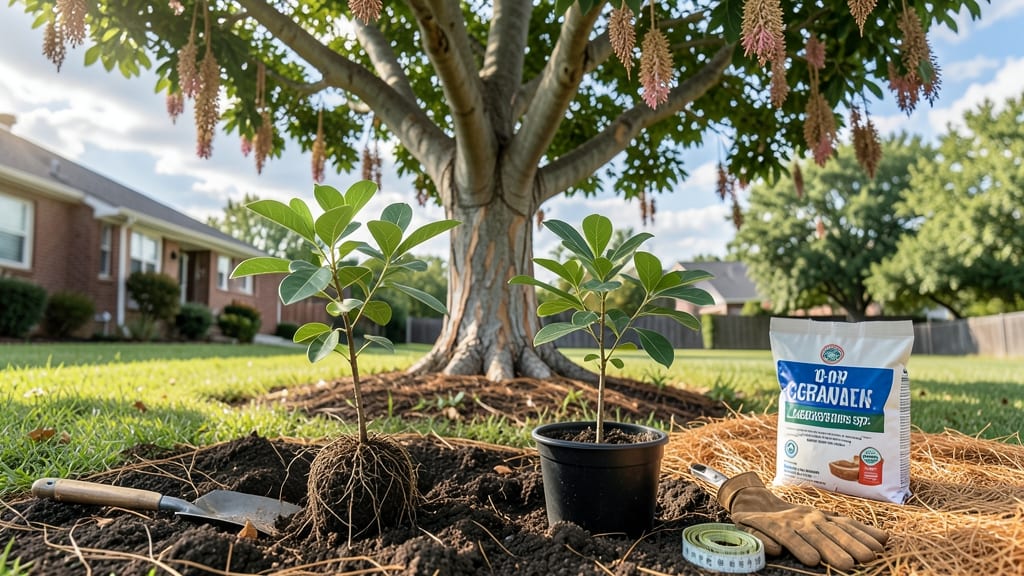
Planting your 🌸 crepe myrtle at the wrong time in North Carolina could mean the difference between a thriving tree and a sad, frost-killed sapling. The key isn't just picking a season—it's understanding your local frost dates, soil conditions, and even your specific zone within the state.
Whether you're in the cooler 6a mountains or the milder 8b coastal plains, getting the timing right means planting after the last frost (typically March 15 in Zone 6a) or before the first chill of fall (around October 31 in Zone 8b).
I'll break down exactly when to dig in your yard for the best results.
You might think all planting windows are the same, but North Carolina's microclimates create big differences. A late frost in the Piedmont could wipe out your early spring planting, while coastal areas might have a longer fall window.
Let me show you how to adjust your schedule based on where you live.
Ready to plant your crepe myrtle with confidence? We'll cover soil prep, frost protection tips, and even which varieties thrive best in your specific zone. Let's get those roots growing in the right conditions!
North Carolina frost zones & exact crepe myrtle planting deadlines by region
North Carolina spans USDA Hardiness Zones 6b through 8b, meaning frost dates vary dramatically from the mountains to the coast. For crepe myrtles, this translates to two ideal planting windows: early spring (after last frost) and early fall (before first frost).
Let’s break down the exact deadlines for each zone.
In Zone 6b (Asheville, Boone), your last frost typically hits around March 15, so aim to plant between April 1 and May 15. The fall window closes by October 15—any later risks winter damage.
Meanwhile, Zone 8b (Wilmington, Outer Banks) enjoys a longer season: plant from February 15 to April 30 or September 1 to October 31.
🌱
Microclimates play a huge role in NC. For example, elevated areas in the Piedmont (like Raleigh) may experience 3-5°F colder nights than nearby valleys. If you’re unsure about your last frost date, use the NC State Climate Office’s frost calculator or check with your local Cooperative Extension Service.
Pro tip: Soil temperature matters just as much as air temperature. Crepe myrtles thrive when soil reaches 60°F+. Use a soil thermometer to confirm—cool soils delay root growth. In cooler zones, wait until soil warms up, even if air temps seem mild.
For fall planting, prioritize getting roots established before dormancy sets in (typically by November 1 in most zones). Water deeply 1-2 weeks after planting to encourage root spread before winter.
In Zone 8b, you can sometimes push fall planting into early December, but only if your tree is well-mulched and protected.
🌿
One common mistake? Planting too late in spring (after June 1) or too early in fall (before August 15). Both scenarios force crepe myrtles to struggle with establishing roots during extreme heat or winter stress.
Stick to the windows above, and your tree will thank you with vibrant blooms next summer.
Need to adjust for your specific location? Check the NC A&T State University’s frost maps or ask your local nursery—they’ll know the exact microclimate risks in your area. With the right timing, your crepe myrtle will grow 3x faster and handle NC’s summers with ease.
☀️
North Carolina frost zones & exact crepe myrtle planting deadlines by region
North Carolina spans USDA Zones 6b through 8b, meaning frost dates vary dramatically from the mountains to the coast. The best time to plant crepe myrtles depends on your zone—aim for 2-3 weeks after the last frost in spring or 6-8 weeks before the first frost in fall.
In Zone 6b (e.g., Asheville), wait until April 1 to avoid late frosts, while Zone 8b (e.g., Wilmington) can plant as early as February 15. Fall planting works best in September-October across all zones, giving roots time to establish before winter.
🌱
Microclimates matter! Coastal areas like Wilmington have milder winters, while inland Charlotte may experience sudden cold snaps. Check your local NC State Climate Office for precise frost data if you’re unsure.
For fall planting, prioritize zones with warmer soils (like Zone 8b) where roots can establish before winter. In Zone 6b, opt for spring planting to avoid early dormancy.
🌿
Pro tip: Use mulch after planting to regulate soil temperature and retain moisture. In cooler zones, add a light frost cloth for the first few weeks if late frosts are forecasted.