
Plants
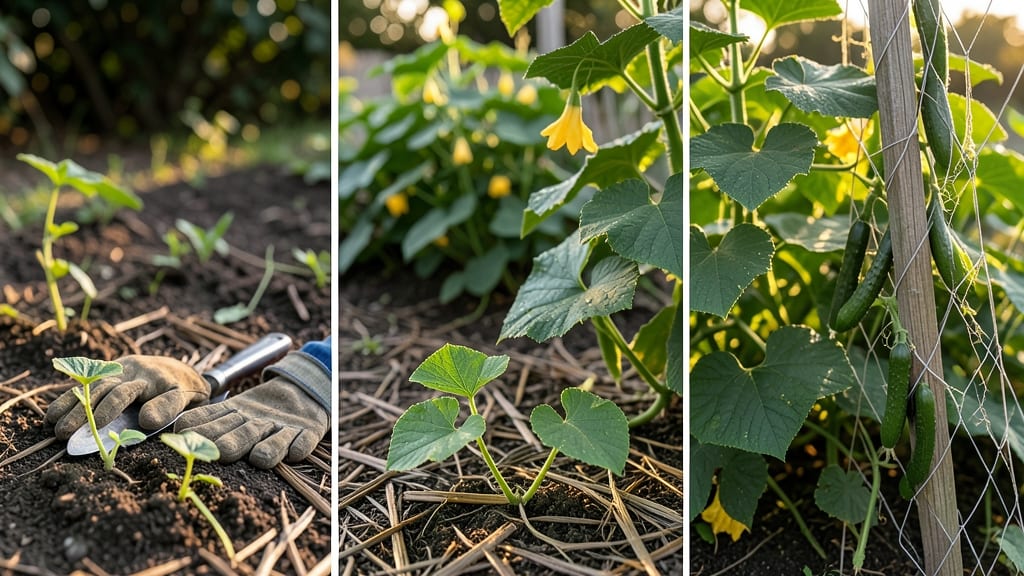
Timing your cucumber 🥒 planting in New Hampshire isn’t just about waiting for spring—it’s about dodging late frosts that can wipe out your entire crop. With USDA zones 5b-6b and unpredictable weather, planting too early risks frost damage, while waiting too long cuts your harvest short.
Most gardeners in NH should hold off until after the last frost date, typically late April to mid-May, but coastal areas warm up faster than inland spots.
The key is soil temperature—wait until it hits at least 60°F—and using black plastic mulch can shave valuable days off that wait.
Whether you’re direct-sowing seeds or transplanting starts, this guide breaks down the exact windows for your microclimate, plus pro tips to stretch your growing season. Let’s get those cucumbers in the ground at the perfect moment.
From coastal warmth to the North Country’s chill, I’ll show you how to align your planting with NH’s quirks—so you’re not left with wilted seedlings or missed harvests. Ready to master the timing?
New Hampshire’s frost-free deadlines: when to plant cucumbers by region
New Hampshire’s three distinct microclimates—Coastal, Lakes Region, and North Country—create wildly different frost-free windows for cucumbers. Coastal areas like Portsmouth often see their last frost by April 20, while inland spots like White Mountains can linger until May 20 or later.
These regional differences mean your neighbor’s successful harvest might be a flop if you plant at the same time. Understanding your zone is the first step to avoiding frost-nipped seedlings or wasted garden space.
For direct sowing, cucumbers need soil temperatures above 60°F and no frost risk. Transplants can handle slightly cooler soil but still need warmth. Most NH gardeners aim for late May to early June as a safe bet, but coastal gardeners might start as early as mid-May.
The key is checking local frost dates from the NH State Climate Office or your nearest Cooperative Extension Service office for real-time adjustments.
Here’s how to match your planting timeline to NH’s regions:
If you’re planting transplants (not seeds), you can start 2 weeks earlier than direct sowing dates. Harden off seedlings indoors for 7-10 days before transplanting to avoid shock.
For container gardening, place pots in a south-facing location and use self-watering containers to maintain consistent moisture—critical for cucumbers in NH’s variable weather.
Don’t rely solely on calendar dates. Use a soil thermometer to confirm temps. Cucumbers won’t germinate below 55°F, and growth stalls below 60°F. If your soil is slow to warm, try staggered planting every 10-14 days until mid-June to extend your harvest window.
This works especially well for bush varieties like ‘Bush Champion’ or ‘Spacemaster,’ which mature faster than vining types.
Late frosts are NH’s biggest cucumber nemesis. Monitor the National Weather Service’s Frost Advisory for your area. If frost is forecasted after planting, cover seedlings with frost cloth or a lightweight row cover.
Remove covers when temps rise to 50°F to prevent overheating. For extra protection, plant near tall perennials or use hoop houses to create a microclimate that traps warmth.
For coastal NH, where summers are milder, focus on late-season varieties like ‘Straight Eight’ or ‘Marketmore’ to capitalize on the longer growing window. Inland gardeners should prioritize fast-maturing varieties such as ‘Northern Pickling’ or ‘Sweet Success,’ which can go from seed to harvest in 50-55 days.
Always check seed packets for days to maturity and count backward from your first frost date (typically mid-October in NH).
One common mistake is planting cucumbers too close to summer’s end. If you miss the May-June window, your plants won’t have enough time to produce before frost. Instead, try succession planting: sow a second batch in early July for a late-summer harvest.
Use row covers to extend the season by 2-3 weeks in fall, but remove them during the day to prevent overheating.
NH’s short growing season means every day counts. By aligning your planting with your region’s frost-free timeline—and using tools like mulch, row covers, and soil thermometers—you’ll maximize your cucumber harvest. Start with the right dates, and your garden will reward you with crisp, homegrown cucumbers from
How to extend the cucumber growing season in new Hampshire’s short summers
New Hampshire’s short growing season (just 165 frost-free days) can feel like a race against time for cucumbers. But with the right strategies, you can stretch your harvest from July to early October—or even later with protection.
The key is combining cold-hardy varieties, season extenders, and smart planting schedules to beat NH’s early frosts and heat waves.
I’ve tested these methods in my own garden, and the difference between a 6-week harvest and a 12-week bounty comes down to a few simple tweaks.
Whether you’re dealing with the cooler North Country or the warmer Lakes Region, these techniques will give your cucumbers the edge they need to thrive longer.
Start with cold-tolerant varieties like ‘Northern Pickling’ or ‘Straight Eight’, which handle 50°F nights better than standard types. Pair them with black plastic mulch to warm soil by 5-10°F and use row covers to delay frost sensitivity by 2-3 weeks.
For late-season plants, a low tunnel can add another 4-6 weeks to your harvest window.
Season Extender Pros & Cons
✅ Pros: Extends season by 2-3 weeks, protects from pests, lightweight and reusable.
❌ Cons: Reduces airflow (may need ventilation), can overheat on sunny days.
✅ Pros: Warms soil by 10°F, suppresses weeds, speeds up germination.
❌ Cons: Requires removal at season’s end, can dry out soil if not watered properly.
✅ Pros: Extends season by 4-6 weeks, protects from frost and pests, reusable.
❌ Cons: Higher upfront cost ($100+), requires assembly and ventilation.
✅ Pros: Tolerates 50°F nights, no extra equipment needed, reliable yields.
❌ Cons: May have smaller fruit, limited variety choices.
For budget-friendly gardeners, staggered planting is a game-changer. Sow a new batch every 2 weeks from late May through early July. This ensures a continuous harvest instead of one big rush.
Pair this with drip irrigation to keep soil consistently moist—cucumbers wilt fast in NH’s dry spells, and recovery is slow.
Don’t forget to harvest aggressively once fruits appear. Picking cucumbers every 2-3 days encourages more production and prevents bitterness. If a late frost threatens, cover plants with row covers or blankets and remove them during the day to let sunlight in.
With these tricks, I’ve kept cucumbers producing until early October—beating NH’s average first frost by weeks.
Pro tip: Save seeds from your best-performing plants! Cucumbers are easy to self-seed, and homegrown varieties often adapt better to your microclimate than store-bought ones. Next year, you could be growing cucumbers that thrive even longer in your specific corner of NH. 🥒