
Plants
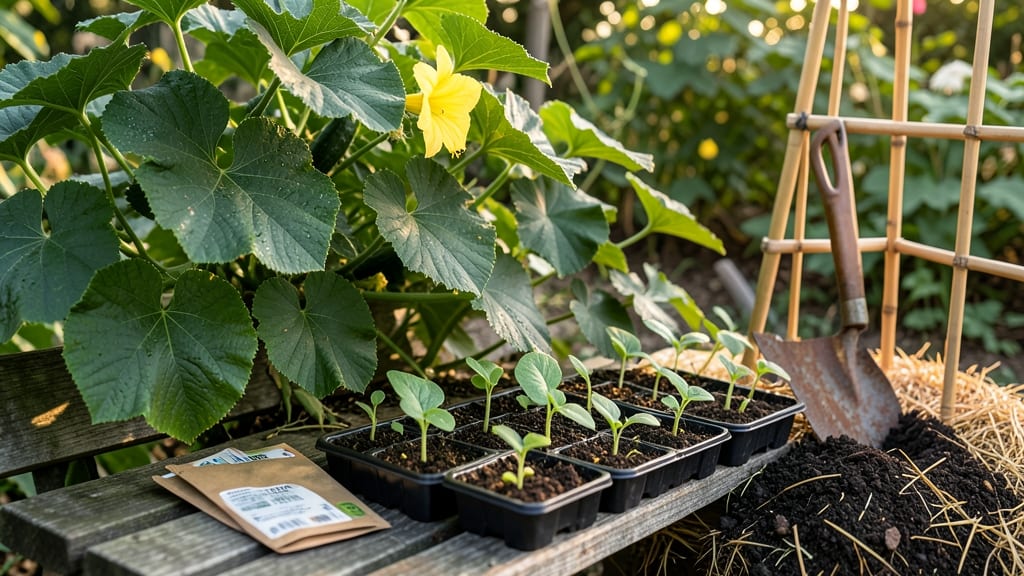
Timing your 🥒 cucumber planting in Northern California isn’t just about the calendar—it’s about dodging the region’s tricky microclimates. One week too early in the Bay Area’s chilly coastal zones, and your plants bolt before they even fruit.
Too late in the Central Valley’s scorching summers, and your vines wilt before they get a chance to thrive. The secret? Understanding your specific zone’s frost-free dates and soil temperatures to plant at the perfect moment.
Most gardeners here know the basics—wait until after the last frost—but the real game-changer is knowing when your soil actually warms up to 60°F. That’s the magic threshold where cucumbers finally decide to grow instead of just sitting there looking sad.
In USDA zones 8a-9b, that could mean mid-March for inland areas or late April for coastal spots. Get it wrong, and you’re either waiting forever or watching your plants race toward bolting before they produce a single crisp slice.
Here’s the good news: with the right strategy, you can stretch your harvest from May to October—even in Northern California’s unpredictable weather. We’ll break down the exact planting windows for your microclimate, plus soil prep tricks and companion plants that keep your cucumbers happy and productive.
No more guessing games, just a foolproof plan for zero-bolting success.
Whether you’re a first-time gardener or a seasoned pro, these insights will help you avoid the most common mistakes and maximize your yield. Let’s get those cucumbers in the ground at the perfect time—so you can enjoy fresh, homegrown 🥒 all summer long without the stress.
Northern California cucumber planting zones: coastal vs. inland timing differences
Northern California’s microclimates create a planting puzzle for cucumbers. The coastal fog belt (like San Francisco) has cooler soils that delay warming, while the Central Valley (Sacramento, Fresno) can hit 90°F+ soil temps by May.
Your last frost date isn’t the only factor—soil temperature and daylength matter just as much.
For coastal areas (USDA zones 8b-9a), aim to plant 2-3 weeks after your average last frost (typically March 15-April 1). Inland zones (8a-8b) can start 2 weeks earlier (mid-March), but watch for soil temps above 60°F—cucumbers won’t germinate below 55°F.
Here’s how bolting risk shifts by region: Coastal plants may bolt prematurely if exposed to long daylight hours (14+ hours) before vines are 3 feet tall. Inland areas face heat stress if planted too early, with blossoms dropping when temps exceed 95°F.
🌱
| Zone | Last Frost | Planting Window | Soil Temp Goal | Bolting Risk |
|---|---|---|---|---|
| Coastal (SF, Monterey) | Feb 28-Mar 15 | April 1-April 15 | 60°F+ | High (long days) |
| Bay Area (Oakland, Napa) | Feb 15-Mar 1 | March 20-April 5 | 60°F+ | Moderate |
| Central Valley (Sacramento, Fresno) | Jan 31-Feb 15 | March 1-March 15 | 65°F+ | Low (heat stress) |
| Sierra Foothills (Chico, Redding) | Feb 1-Mar 1 | March 15-April 1 | 60°F+ | Moderate (elevation delays) |
Urban heat islands (like Berkeley or Oakland) can push soil temps 5-10°F higher than rural areas, so test your soil with a thermometer before planting. If your soil hits 70°F+ too soon, delay planting or use shade cloth to protect seedlings.
For fall planting (a smart move in cooler zones), aim for August 1-September 1—this gives cucumbers 60+ days to mature before first frost. Use fast-maturing varieties (like 'Bush Champion') to maximize your harvest window.
Pro tip: Elevation matters. Add 1°F per 300 feet to frost dates if you’re above 1,000 feet. For example, Lake Tahoe’s last frost can be 2 weeks later than Reno’s.
🌡️
If you’re unsure about your local microclimate, check the UC Master Gardener website for your county’s frost-free date maps. They’ve got hyper-local data that beats generic USDA zones. For example, Santa Rosa’s last frost often runs 10 days later than San Francisco’s due to urban warming.
Remember: Succession planting is your secret weapon. By staggering 2-3 plantings every 2 weeks, you’ll avoid bolting and heat stress while keeping cucumbers on the vine for 3+ months.
How to avoid bolting: soil temperature, mulching, and succession planting tactics
Cucumbers in Northern California bolt (go to flower too quickly) when stressed by cold soil or inconsistent temperatures. The key to success is delaying flowering until your vines are established and strong.
I’ve learned that soil temperature is the #1 factor—wait until it hits 60°F before planting, even if air temps feel warmer. Use a soil thermometer for accuracy, especially in coastal areas where fog keeps daytime temps misleading.
Once planted, mulching is your secret weapon. Organic mulches like straw or grass clippings insulate soil, keeping temps stable and moisture high. I’ve seen black plastic mulch work wonders in hot inland areas—it warms soil faster and suppresses weeds.
For organic gardeners, straw is ideal because it also breaks down slowly, feeding the soil. Test both in a small patch to see which works best in your microclimate.
✅ Keeps soil cool, improves soil health, suppresses weeds
❌ Breaks down faster, needs replenishing
✅ Warms soil quickly, kills weeds, extends season
❌ Can overheat soil in inland areas, not organic
Succession planting is another game-changer for Northern California’s short growing season. Instead of one big planting, I stagger seeds every 2 weeks from mid-March to mid-July. This ensures a continuous harvest and reduces bolting risk. For example, plant your first batch in early April (after soil warms), then follow with 3 more batches in May and June. Use shade cloth for early plantings to protect young vines from unpredictable coastal winds.
If you’re growing in containers or raised beds, heat retention is critical. I’ve had success with dark-colored pots (like black fabric grow bags) to absorb sunlight and keep roots warm. For ground planting, add compost to improve soil structure—well-draining soil prevents root rot while retaining moisture.
Always water deeply in the morning to encourage strong root growth before the heat of the day.
Watch for yellowing leaves or bitter-tasting cucumbers—these are red flags for bolting. If you see flowers forming too early, prune them off and focus on vine growth. I’ve also had luck with shade-cloth (30-50%) during peak summer to prevent heat stress.
Pair this with drip irrigation to keep moisture consistent, and you’ll avoid the common pitfall of wasted energy on flowers that won’t produce fruit.
For late-season plantings, aim for August if you’re in inland areas. Coastal gardeners can push it to early September, but use row covers to protect from early fog or chilly nights.
Remember: cucumbers need warmth to thrive, so don’t rush the process. With these tactics, you’ll avoid bolting and enjoy homegrown cucumbers from June through October—no stress, just sweet success. 🥒