
Plants
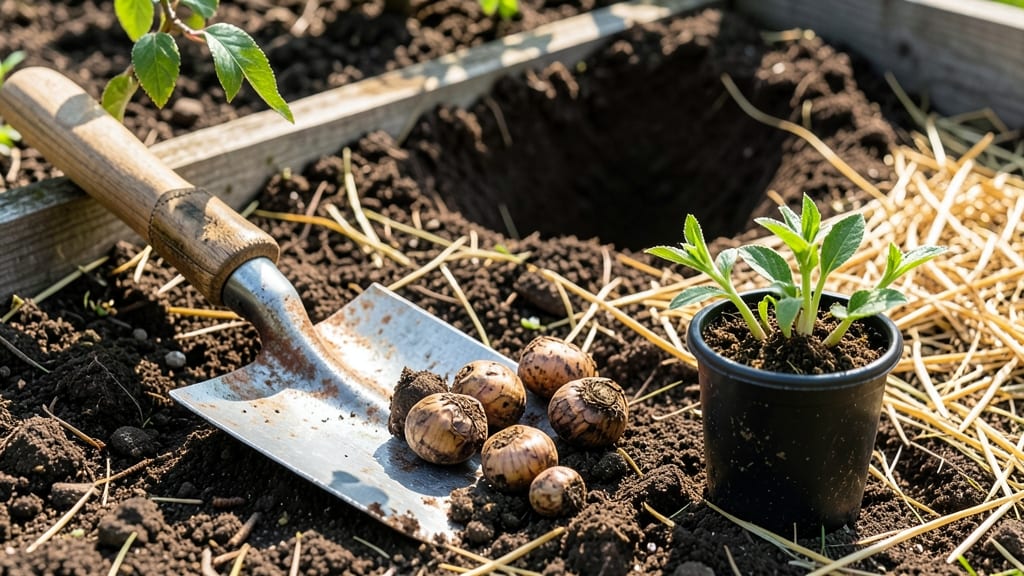
If you've ever waited too long to plant your dahlia bulbs in Wisconsin, only to watch frost nip your vibrant 🌼 blooms before they even begin, you're not alone. The key to a showstopping summer garden lies in understanding the exact planting window for your hardiness zone.
Wisconsin's 5a-6b climate means timing is everything—planting too early risks frost damage, while waiting too long cuts your blooming season short. The ideal window opens in late April to mid-May, but local weather patterns can shift these dates dramatically.
I'll show you how to read your frost timeline and adjust for your specific corner of the state.
Beyond dates, I'll cover the pre-planting prep that makes all the difference: soil temperature checks, proper depth, and spacing techniques that prevent common Wisconsin gardening mistakes. Whether you're a first-time dahlia grower or a seasoned pro, these insights will help you maximize your garden's potential.
Ready to transform your Wisconsin garden into a dahlia paradise? Let's dive into the science-backed strategies that'll have your tubers thriving from the moment they hit the soil—no more guessing, just gorgeous blooms all season long.
Wisconsin’s ideal dahlia planting window: exact dates by frost timeline
Dahlias (🌼) thrive in Wisconsin’s Zone 5B/6A, but timing is critical—plant too early and frost will kill tender tubers, too late and you’ll miss peak blooms.
The perfect window aligns with soil temperatures above 55°F and after the last frost date, typically late April to mid-May.
Wisconsin’s frost-free dates vary yearly, but historical averages show mid-April to early May as the safest range. For Zone 5B, wait until May 10-15, while Zone 6A gardeners can plant as early as April 25-May 5 if soil is warm enough.
Always check your local frost-free date using the National Weather Service or Old Farmer’s Almanac.
Soil temperature is more reliable than air temperature. Use a soil thermometer to confirm 55°F+ at 4-inch depth. Dahlias won’t sprout until soil reaches this threshold, so don’t rush planting—waiting a week longer prevents tuber rot. Cold soil delays growth by 2-3 weeks, shortening your bloom season.
For a 3-step risk assessment, ask: 1) Is the last frost date passed? 2) Is soil temperature consistently above 55°F? 3) Are nighttime temps stable above 40°F?
If any answer is "no," delay planting. Use row covers or a cold frame to extend your window by 2-3 weeks if needed.
Here’s a summary table of Wisconsin’s ideal planting timeline, including soil prep and frost risk factors:
| Stage | Action | Wisconsin Zone 5B | Wisconsin Zone 6A |
|---|---|---|---|
| Prep Soil | Test pH (6.0-7.0), amend with compost | Mid-April | Late March |
| Plant Tubers | 4-6" deep, 12-18" apart | May 10-15 | April 25-May 5 |
| Frost Risk | Use row covers if temps drop below 40°F | High (May 1-10) | Moderate (April 25-May 5) |
| First Blooms | Expect in 8-12 weeks | Late July | Early July |
If your spring is late, start tubers indoors in March under grow lights. Use 6-inch pots with well-draining mix and keep temps at 65-70°F. Transplant outdoors after the last frost, but harden off for 7-10 days to avoid shock.
For early blooms, choose dwarf varieties like ‘Mignon’ or ‘Bishop,’ which mature faster. Plant them 2 weeks earlier than standard dahlias, but monitor soil temps closely. Giant varieties (e.g., ‘Arabian Night’) need the full 120-day growing season, so plant them no earlier than May 1.
Pro tip: Mark your last frost date on a calendar and count 160 frost-free days backward to estimate your first frost date. Dahlias need this full window to reach peak bloom.
In Wisconsin, this typically lands in mid-October, but early frosts can occur as soon as September 20.
Always mulch heavily after planting to insulate roots and maintain consistent soil temps. Use 4-6 inches of straw or shredded leaves—this delays early-season frosts by 3-5°F and keeps tubers from heaving out of the soil.
Finally, track your local microclimate. Urban areas warm up faster than rural zones, so adjust your planting date 5-7 days earlier if you’re in a city like Madison or Milwaukee. Use a home weather station for real-time data to fine-tune your schedule.
Wisconsin’s ideal dahlia planting window: exact dates by frost timeline
Wisconsin’s Zone 5B/6A climate creates a narrow but critical window for planting dahlia tubers—typically between late April and mid-May. This timeline aligns with the average last frost date of April 25–May 10, but your exact timing depends on microclimates and recent weather patterns.
For example, southern Wisconsin (like Madison) often sees frost-free conditions 1–2 weeks earlier than northern areas (e.g., Green Bay).
Dahlias thrive when soil temperatures consistently reach 55°F or warmer, signaling it’s safe to plant. Use a soil thermometer to confirm—cold soil slows root growth and increases rot risk.
I’ve planted tubers in early May only to watch them languish until June because the soil stayed below 50°F for weeks. Don’t make that mistake!
Here’s how to pinpoint your personal planting window: 1. Check the National Weather Service’s frost probability maps for your county (aim for 10% frost risk).
- Monitor local soil temperature forecasts (University of Wisconsin Extension provides free tools).
- Add 1–2 weeks of buffer if your spring has been unusually cold.
| Zone | Last Frost Date | Ideal Planting Window | Soil Temp Threshold | Risk of Frost After Planting |
|---|---|---|---|---|
| 5B (Southern WI) | April 25–May 5 | Late April–early May | 55°F+ (consistent) | Low (5–10%) |
| 6A (Northern WI) | May 5–May 15 | Mid-May | 55°F+ (consistent) | Moderate (15–25%) |
| All Zones | N/A | Wait until nighttime temps stay above 40°F | N/A | High if planted too early |
If you’re eager to start early, consider indoor sprouting in late March. Place tubers in a shallow tray with moist peat moss, keeping them in a 60–65°F environment (like a sunny windowsill).
Once sprouts reach 3–4 inches, harden them off for 1 week before transplanting after the last frost. This gives you a 2–3 week head start on blooms!
Pro tip: Mark your calendar for June 1 as your final cutoff for planting. After this date, dahlias may not establish roots before Wisconsin’s hot, dry summers kick in, leading to stressed plants and fewer blooms.
I’ve seen gardeners push planting to July with success, but expect smaller, later flowers.
For container gardening, adjust your timeline by 1–2 weeks earlier—pots warm up faster than ground soil. Just ensure containers have drainage holes to prevent rot, especially in Wisconsin’s humid springs. 🌱