
Plants
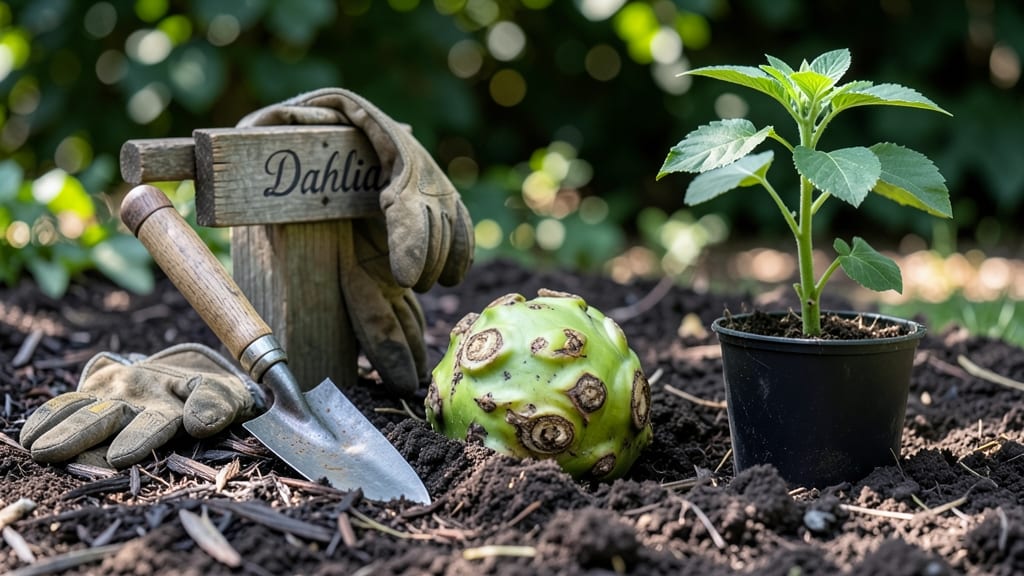
When to plant dahlias in Alabama can mean the difference between a garden bursting with 🌸 vibrant blooms and a season of disappointment. Alabama’s 7b-8a zones bring long summers and unpredictable spring frosts, so planting too early risks losing your tubers to cold snaps.
Most gardeners in Alabama wait until mid-April to early May—after the last frost—to plant dahlias, but the exact window depends on your region. Birmingham’s last frost typically arrives by March 15**, while Mobile may see frost-free conditions even earlier.
Getting this timing right ensures your dahlias thrive from July through October.
In this guide, I’ll break down the ideal planting schedule for your specific Alabama heat zone, plus pro tips for preparing soil and hardening off plants.
Whether you’re starting from tubers or nursery starts, you’ll learn how to give your dahlias the best possible start for a showstopping summer display.
Skip the guesswork and plant with confidence—your garden’s most colorful season starts with the right timing. Let’s dive into the science-backed strategy that works for Alabama’s unique growing conditions.
Alabama dahlia planting dates by heat zone: avoid frost & maximize blooms
Alabama’s USDA heat zones 7a-8b create a tricky balance for dahlias—too early, and frost zaps tender tubers; too late, and summer’s 90°F+ heat stresses young plants. The sweet spot? Mid-April to early June, when soil warms to 60°F+ and frost risk drops below 10%.
Let’s break it down by region so you can plant with confidence.
Northern Alabama (Birmingham, Huntsville) typically sees its last frost around March 15, but dahlias need 2-3 weeks of frost-free soil before transplanting. Southern Alabama (Mobile, Dothan) can plant 2 weeks earlier—by early April—thanks to milder winters.
Always check your local frost date using the Alabama Cooperative Extension’s frost maps.
Here’s your heat-zone planting calendar, tailored to Alabama’s microclimates and dahlia tuber sensitivity to cold soil. Planting too soon risks root rot in chilly earth, while waiting too long cuts your bloom season short.
| Alabama Region | USDA Zone | Last Frost Date | Ideal Planting Window | Soil Temp Goal | Bloom Season |
|---|---|---|---|---|---|
| North (Huntsville, Decatur) | 7a | March 15–April 1 | May 1–15 (tubers) or April 15–30 (starts) | 60°F+ | July–October |
| Central (Birmingham, Montgomery) | 7b-8a | March 1–15 | April 15–May 15 (flexible) | 60°F+ | June–November |
| South (Mobile, Dothan) | 8a-8b | February 15–March 1 | March 30–April 30 (early start) | 60°F+ | May–December |
Pro tip: Start tubers indoors 4–6 weeks before your region’s ideal window. Use 6-inch pots with well-draining mix and place them in a sunny window or under grow lights. Harden off seedlings for 7–10 days before transplanting to avoid shock from Alabama’s sudden heat shifts.
For container gardening, plant dahlias in 5-gallon pots with fast-draining soil and mulch the surface to retain moisture. Containers warm up faster than garden beds, so you can plant 1–2 weeks earlier than in-ground. Just ensure pots have drainage holes—dahlias hate soggy roots.
If you’re using pre-started nursery plants, opt for 4–6 inch tall dahlias with multiple stems. These mature faster and give you a 2–3 week head start on bloom time. Avoid overly leggy starts—they struggle to establish in Alabama’s heat.
Watch for false starts: Some years, a late-March warm spell tricks gardeners into planting early. Check your Alabama A&M Extension’s 10-day forecast for nighttime temps above 45°F before committing. A single 32°F dip can kill tender dahlia foliage overnight.
Once planted, mulch heavily (3–4 inches) with straw or pine needles to insulate roots from summer heat spikes and winter chill. In Alabama’s Zone 8b, this extends the growing season by 3–4 weeks in both directions.
Remember: Dahlias are short-lived perennials in Alabama’s climate. Dig up tubers in late November before hard frosts (28°F) and store them in cool, dry conditions (50°F, 50% humidity) for next year’s earlier planting.
How to prep dahlias for Alabama’s climate: soil, sun, and shock-proofing tips
Alabama’s clay-heavy soils and sweltering summers (often hitting 90°F+) demand extra prep work before planting dahlias. Without proper soil amendments and sun exposure, your tubers will struggle to establish roots, leading to weak stems and fewer blooms.
Let’s tackle the three critical prep steps to give your dahlias the Alabama-friendly foundation they need.
First, test your soil’s pH—dahlias thrive in 6.5–7.0 pH. Alabama’s native soils often skew acidic, so amend with lime (for pH >7.0) or sulfur (for pH <6.5). Mix in 3–4 inches of compost or well-rotted manure to improve drainage and nutrient retention.
Clay soils can become waterlogged, so consider adding sand or perlite if your garden holds excess moisture after rain.
Next, choose the sunniest spot possible. Dahlias need 6+ hours of direct sunlight daily to produce their signature bold blooms. In Alabama’s intense heat, afternoon shade (3–4 PM) can help prevent leaf scorch, but morning sun is non-negotiable.
If your yard lacks full sun, opt for dwarf varieties like ‘Thomas Edison’ or ‘Café au Lait,’ which tolerate partial shade better than towering standard dahlias.
If starting with nursery-grown dahlias, harden them off for 7–10 days before transplanting. Move potted plants outdoors for 2–3 hours daily, gradually increasing exposure. This mimics Alabama’s unpredictable spring weather and prevents shock when you finally plant.
For tubers, chill them in peat moss or vermiculite at 40–50°F for 4–6 weeks before planting to simulate winter dormancy.
Finally, mulch heavily after planting to retain moisture and regulate soil temperature. Use 2–3 inches of organic mulch (straw, shredded leaves, or pine needles) and keep it 3 inches away from stems to avoid rot.
In Alabama’s drought-prone summers, mulch reduces watering needs by 30–50%, letting you focus on enjoying those showstopping blooms instead of daily chores.
With these prep steps, your dahlias will thrive in Alabama’s heat and reward you with months of vibrant color—from July through October. The key? Prep now, plant with confidence, and let the heat work for you instead of against you. 🌸