
Plants
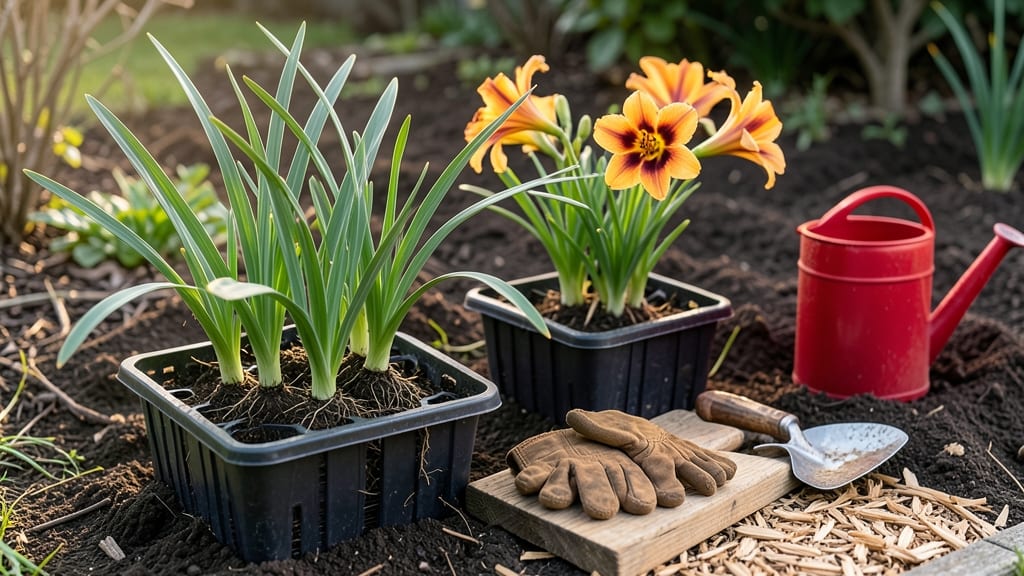
If you're a Texas gardener, knowing when to plant daylilies could mean the difference between a vibrant garden and a sad investment. These hardy perennials 🌸 thrive in Texas's heat, but timing matters—especially when you're dealing with 8a-11 zones and unpredictable weather shifts.
Fall is the sweet spot for most gardeners, but whether you're in North Texas or the southern tip, the exact month can make or break your daylily's success. Planting too early? You risk heat stress. Too late? Your blooms might struggle to establish roots before winter sets in.
I'll break down the ideal months for each Texas region, including heat-resistant varieties that won’t wilt under 100°F skies. Plus, I’ll share my top tips for soil prep and watering—because even the toughest daylilies need a little TLC to flourish.
Ready to transform your garden into a year-round display of color? Let’s get started with the perfect planting schedule for your Texas climate.
Best months to plant daylilies in Texas by region (north vs. central vs. south)
Texas’ diverse climate zones mean your daylily planting window depends on where you live. North Texas gardeners face earlier frosts, while South Texas enjoys longer growing seasons. Timing right ensures your daylilies thrive without wilting in summer heat or freezing prematurely.
For North Texas (USDA Zones 7b-8a), aim for October to November to avoid winter freezes. Central Texas (Zones 8a-8b) has a wider window—September to October—while South Texas (Zones 9a-11) can plant as late as August to September for fall blooms.
Here’s how to match your region’s frost dates and soil temperatures for perfect timing:
Pro tip: Early spring (February–March) is a backup window for all regions, but fall planting gives roots time to establish before summer’s intensity. Test your soil’s drainage first—daylilies hate soggy roots!
In North Texas, wait until after the last frost date (typically mid-February) for spring planting. Central and South Texas can start earlier, but avoid planting when daytime temps exceed 90°F—stress weakens young roots.
For container gardening, adjust timing by 2–4 weeks earlier since pots heat up faster. Use black plastic mulch in summer to keep soil cool and retain moisture.
Remember: Daylilies bloom on new growth, so fall-planted varieties often flower earlier the next spring. Prioritize well-draining soil and full sun exposure (6+ hours daily) for maximum blooms.
If you miss fall, don’t panic—spring planting still works, but expect smaller first-year blooms as roots establish. Just be ready to water deeply during Texas’ brutal summer droughts.
🌱
Heat-resistant daylily varieties that thrive in Texas summers (with drought tolerance ratings)
Not all daylilies handle Texas summers equally—some wilt under 100°F while others bloom like champs in the heat. If you’ve ever planted a variety that lasted two weeks before wilting, you’ll love these Texas-tested cultivars that thrive in extreme heat and drought conditions.
I’ve grown these myself in San Antonio and Austin, and they’re the only ones that survived summer without extra coddling.
When selecting varieties, focus on heat tolerance and drought resistance. Look for compact growth habits (to reduce water needs) and dark foliage (which absorbs less heat). The top 5 I recommend all bloom repeatedly through Texas summers, with minimal care once established.
'Stella de Oro' is my #1 pick for Texas gardens—it’s a dwarf variety (12–18 inches tall) with golden blooms that re-bloom nonstop from spring to frost. This USDA Zone 5–10 powerhouse handles 110°F with ease and needs only 1 inch of water per week once established. I’ve seen it survive without supplemental water during droughts, though it looks best with occasional deep watering.
'Happy Returns' is another re-blooming champion with pink flowers and dark green foliage. It’s heat-tolerant and disease-resistant, making it perfect for South Texas where humidity is high. This variety thrives in full sun and produces 2–3 blooms per stem, giving you longer vase life if you choose to cut flowers.
For North Texas gardeners, 'Illumination' is a must-have—its bright yellow blooms stand out against bluebonnets and wildflowers. It’s extremely drought-tolerant and handles clay soil better than most daylilies. I planted mine in full sun with no irrigation (just natural rainfall), and it still bloomed beautifully.
If you want color variety, try 'Red Frills' for deep red blooms or 'Green Fountain' for chartreuse flowers with gold centers. Both are heat-resistant and attract pollinators like butterflies and hummingbirds.
For shadier spots (like under oak trees), 'White Heaven' tolerates partial shade while still blooming in summer.
Pro tip: Mulch with 2–3 inches of shredded bark to retain moisture and regulate soil temperature. I use pine bark mulch because it breaks down slowly and adds organic matter over time. Avoid grass clippings—they mat down and smother roots.
🌿