
Plants
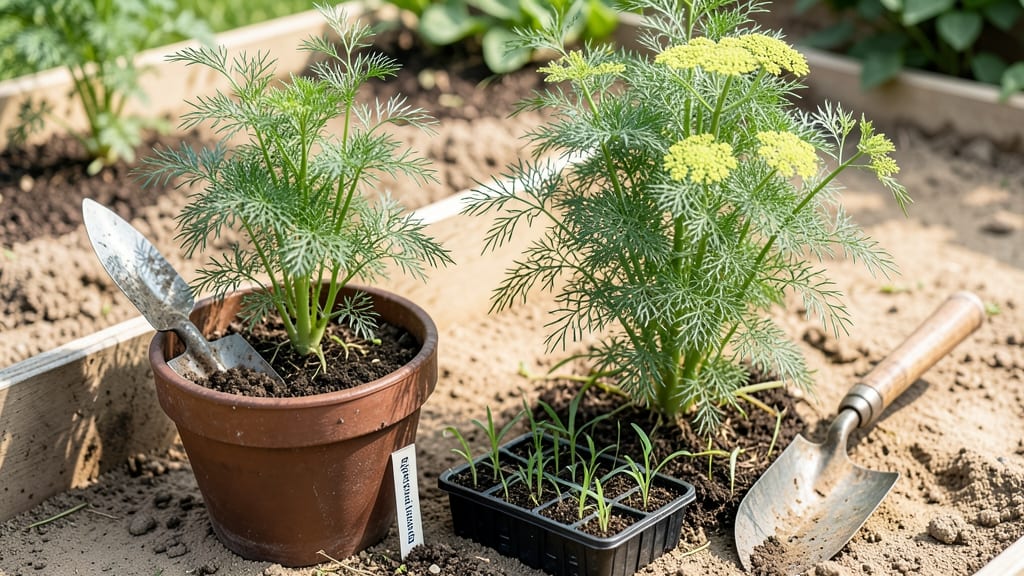
Timing your dill planting in Texas can mean the difference between a thriving 🌿 herb garden and a sad, wilted disappointment.
The key to growing bold, fragrant dill lies in understanding your region’s unique frost patterns and heat spikes—because planting too early risks frost damage, while waiting too long might leave you without harvests when you need them most.
Whether you’re in North Texas’s cooler zones or the Gulf Coast’s milder climate, knowing when to plant dill is all about working with Mother Nature—not against her.
I’ll break down the exact windows for spring and fall planting, plus how to adjust for your specific corner of the Lone Star State, so you can enjoy fresh dill from April through November.
You’ll also discover how to avoid common pitfalls like transplant shock (dill hates being moved!) and how to extend your harvest season with simple tricks. By the end, you’ll have a clear, actionable plan to grow dill that’s ready to snip for soups, salads, and pickles—without the guesswork.
Let’s get started with the foolproof schedule that’ll have your dill thriving in no time, no matter where in Texas you’re gardening.
Optimal planting windows for dill in Texas: frost dates, soil temps, and regional variations
Texas gardeners have two prime windows to plant dill: late winter/early spring and mid-to-late summer.
The key is avoiding frost while ensuring soil temperatures stay within the 50-70°F range—dill seeds won’t sprout below 50°F. In North Texas, aim for mid-February to March, while South Texas gardeners can start as early as January.
For fall plantings, Texas’s varied climate creates opportunities. In North Texas (USDA Zones 7b-8a), sow seeds by mid-August to harvest before the first frost (typically December 1). South Texas gardeners (Zones 8b-10b) can extend this window until September, thanks to milder winters.
Direct sowing is critical—dill hates transplanting. Start seeds ¼-inch deep in well-drained soil, spacing them 12-18 inches apart to prevent overcrowding. Texas’s intense summer heat means fall plantings often yield better results than spring, as seedlings avoid bolting prematurely.
Regional variations matter: High desert areas (like El Paso) may need earlier spring plantings due to rapid warming, while Gulf Coast regions can start 2-3 weeks earlier thanks to milder winters. Always check your local last frost date—North Texas averages February 15, while Houston’s is around January 15.
| Region | Spring Planting Window | Fall Planting Window | Last Frost Date | Soil Temp for Sprouting |
|---|---|---|---|---|
| North Texas (Dallas, Fort Worth) | Mid-February to March | Mid-August to September | February 15 | 50-60°F |
| Central Texas (Austin, San Antonio) | Late January to February | Late July to August | February 1 | 55-65°F |
| South Texas (Houston, Corpus Christi) | January to early February | August to September | January 15 | 60-70°F |
Texas’s microclimates can shift planting windows by weeks. For example, hill country elevations may need 2-week delays compared to nearby valleys. Use a soil thermometer to confirm temps—dill seeds won’t germinate below 50°F, even if frost isn’t imminent.
Pro tip: Succession plant every 2 weeks in spring and fall to ensure a continuous harvest. In Texas’s heat, dill bolts quickly, so shade cloth (30-50%) can extend the season by 2-3 weeks during peak summer months.
If you’re in Zone 10b (South Texas), you can even try year-round plantings with shade and consistent moisture. Just monitor for aphids—Texas’s humid summers create perfect conditions for these pests.
Remember: Dill is a cool-season crop, but Texas’s heat tolerance means it performs better in fall plantings than many other herbs. Start seeds indoors only if you’re in North Texas and facing late frosts—direct sowing yields stronger plants.
For container gardening, use 5-gallon pots and plant in late spring (May) to avoid bolting. Place containers in partial shade during Texas’s hottest months (June-August).
🌱Optimal planting windows for dill in Texas: frost dates, soil temps, and regional variations
Texas’s diverse climate means dill planting windows vary dramatically from North to South Texas.
In North Texas (USDA Zones 7b-8a), like Dallas or Fort Worth, your last frost typically hits around February 15, while South Texas (Zones 9a-10b), including Houston and San Antonio, sees January 1 or earlier for frost-free soil.
This 6-week difference directly impacts when you should sow your seeds.
For spring planting, aim to sow dill seeds 2-4 weeks after your last frost date. Soil temperatures should ideally reach 50-70°F—any cooler, and germination slows dramatically.
In North Texas, this usually means late February to early March, while South Texas gardeners can start as early as mid-January.
| Region | Last Frost Date | Ideal Planting Window | Soil Temp for Germination | Key Tip |
|---|---|---|---|---|
| North Texas (Dallas/Fort Worth) | February 15 | Late February - Early March | 50-70°F | Use row covers if nights dip below 40°F |
| Central Texas (Austin) | February 1 | Mid-February - Late March | 55-70°F | Choose heat-tolerant varieties like 'Bouquet' |
| South Texas (Houston/San Antonio) | January 1 | Mid-January - Early February | 60-75°F | Fall planting (August-September) works best |
Texas’s fall planting window for dill runs from August to September, giving your plants time to establish before first frost (typically December 1 in North Texas or November 15 in South Texas).
This second harvest opportunity is often more reliable than spring, as summer’s intense heat can stress young seedlings.
Pro tip: Direct sowing is critical for dill—transplanting seedlings stresses the plant and often leads to poor growth. Scatter seeds ¼-inch deep in well-draining soil with 6+ hours of sunlight, and thin seedlings to 12-18 inches apart once they reach 2 inches tall.
In high-desert areas like El Paso, extend your season by planting in shaded beds to protect from extreme heat.
Avoid planting dill in Texas summers (May-August)—the intense heat causes bolting (premature flowering), ruining leaf production. Instead, focus on spring and fall for the best flavor and yield. With these region-specific windows, you’ll enjoy fresh dill all season long—perfect for pickling, soups, or garnishes! 🌿