
Trees
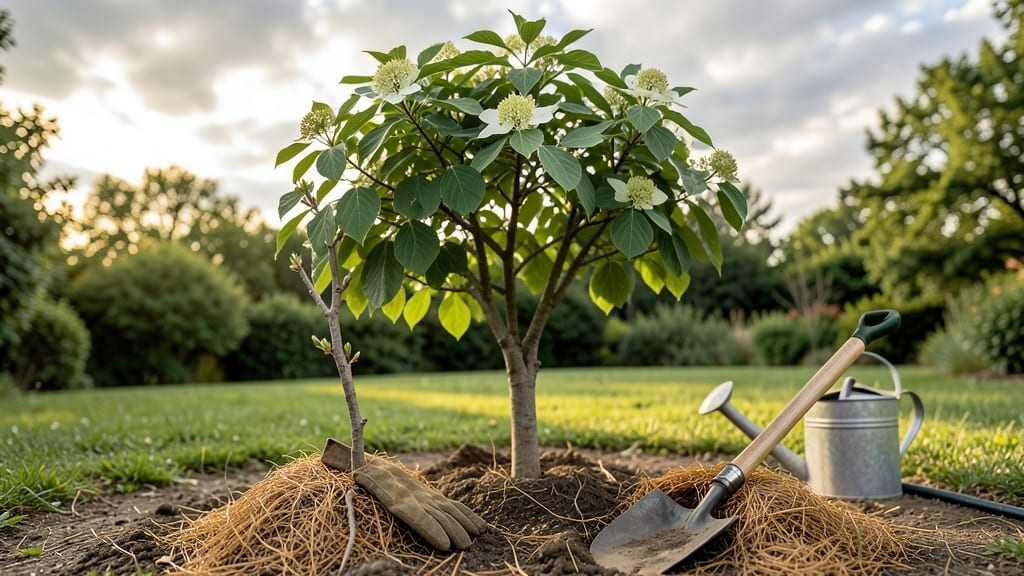
Planting a dogwood tree 🌳 in Georgia at the wrong time could mean the difference between vibrant spring blooms and a struggling sapling fighting for survival. With Georgia's unique climate zones and frost patterns, getting the timing right is the key to helping your tree thrive.
If you've ever wondered why some dogwoods in your neighborhood burst into color while others barely take root, the answer often lies in when they were planted. The ideal window spans from late fall to early spring, but understanding your specific region's chill-hour requirements makes all the difference.
In this guide, I'll break down exactly when to plant your dogwood tree based on Georgia's microclimates, from the cooler 7a zones in the north to the milder 8b areas in the south.
You'll discover the best months for root establishment, how to avoid common planting mistakes, and what to watch for after you've put your sapling in the ground.
Whether you're a first-time gardener or a seasoned landscaper, these insights will help you give your dogwood tree the best possible start—so you can enjoy its stunning spring flowers for years to come.
Georgia's chill-hour zones: how they determine dogwood planting success
Dogwood trees 🌳 thrive in Georgia because they're perfectly adapted to our chill-hour requirements, which measure the number of hours below 45°F during winter dormancy. These hours trigger blooming and healthy growth.
Georgia spans USDA Zones 7a through 8b, creating distinct chill-hour ranges that dictate the best planting times for your dogwood.
In North Georgia (Zone 7a-8a), chill-hour totals often exceed 1,000 hours, while South Georgia (Zone 8b-9a) may see as few as 400-600 hours.
This variation means a dogwood planted in Athens (Zone 8a) might need a different approach than one in Savannah (Zone 8b)—even though both are in Georgia.
Here's the critical connection: Dogwoods need 400-1,000 chill hours to break dormancy and flower properly. Planting outside your zone's natural chill range can lead to poor flowering or even tree death if the plant can't adapt to the local climate.
For example, Cornus florida, Georgia's state flower, requires 600-800 chill hours. If you plant it in Zone 8b (South GA) without accounting for microclimates, you might end up with a tree that barely blooms—or worse, struggles to survive.
Understanding your chill-hour zone ensures you plant when the tree can establish roots before the next growing season. This is why late fall or early spring planting works best: the tree gets a head start on root growth before the heat of summer or the stress of winter.
Let's break down how chill hours impact planting success across Georgia's regions, so you can choose the perfect time for your dogwood.
| Region | USDA Zone | Chill Hours | Best Planting Window | Dogwood Variety Notes |
|---|---|---|---|---|
| North Georgia | 7a-8a | 1,000+ hours | Late October - Early March | Cornus florida thrives; minimal risk of frost damage. |
| Central Georgia | 8a-8b | 600-900 hours | November - February | Hybrid varieties like 'Cherokee Brave' adapt well. |
| South Georgia | 8b-9a | 400-600 hours | December - January | Low-chill varieties like 'Rubra' perform best. |
If you're in North Georgia (Zone 7a-8a), you have the most flexibility with planting times because your chill hours are higher.
This means you can plant as early as late October without worrying about frost damage, giving your dogwood a full 4-5 months to establish roots before summer heat arrives.
In Central Georgia (Zone 8a-8b), where chill hours drop to 600-900, I recommend planting between November and February. This window balances root growth with frost risk, ensuring your tree isn't stressed by early or late freezes.
For South Georgia (Zone 8b-9a), the shorter chill-hour window means you should plant between December and January. This minimizes exposure to any lingering cold snaps while still allowing the tree to settle in before the heat of spring.
Pro tip: If you're unsure about your exact chill-hour zone, check with your local Cooperative Extension Service. They can provide precise data for your county, which is especially helpful in transition zones where microclimates vary significantly—like the Appalachian foothills or coastal plains.
Once you've nailed down your chill-hour zone, the next step is choosing the best months to plant based on frost-free timing—which we'll cover in the next section. This ensures your dogwood gets the perfect start, whether you're in the mountains or near the coast.
Best planting months in Georgia: frost-free timing by region
Now that you understand Georgia's chill-hour zones, let’s pinpoint the best months to plant your dogwood tree based on frost-free timing and soil temperature. The ideal window spans from late fall to early spring, but the exact timing depends on whether you're in North, Central, or South Georgia.
Dogwood trees establish roots best when soil temperatures are between 50-60°F. In Georgia, this typically occurs after the first frost (around mid-November) and before the last frost (around mid-March). Planting outside this range can stress your tree or expose it to frost damage.
For North Georgia (Zones 7a-8a), where winters are colder, the safest planting window is from late October to early March. This gives your tree enough time to root before summer heat arrives.
In Atlanta or Dahlonega, for example, planting in December or January ensures minimal frost risk while allowing roots to grow steadily.
In Central Georgia (Zones 8a-8b), like Macon or Columbus, the frost-free window narrows slightly. Aim for November through February. Planting in December is ideal—cool temperatures reduce stress, and the tree has plenty of time to establish before spring growth begins.
For South Georgia (Zones 8b-9a), including Savannah or Valdosta, the mild winters mean the best time to plant is December to January.
Planting earlier (like in November) risks exposing young roots to unexpected cold snaps, while waiting until February may delay root growth before the heat of summer.
Here’s a quick comparison to help you decide based on your region:
| Region | Best Planting Months | Soil Temp Range | Frost Risk | Dogwood Variety |
|---|---|---|---|---|
| North Georgia | Late Oct - Early Mar | 50-60°F | High (Nov-Mar) | Cornus florida |
| Central Georgia | Nov - Feb | 50-60°F | Moderate (Dec-Feb) | Cherokee Brave |
| South Georgia | Dec - Jan | 55-60°F | Low (Dec-Jan) | Rubra |
One common mistake is planting in late winter (March), especially in South Georgia, where soil temperatures can already be too warm. This can cause roots to dry out before they establish. Conversely, planting in early fall (September-October) risks exposing young roots to early frost.
If you’re unsure about your local frost dates, check the National Weather Service or your local Cooperative Extension office. They provide updated frost forecasts that can help you fine-tune your planting schedule.
Once you’ve picked the right month, the next step is avoiding common planting mistakes—like overwatering or choosing the wrong location—which we’ll cover in the next section.
🌳