
Plants
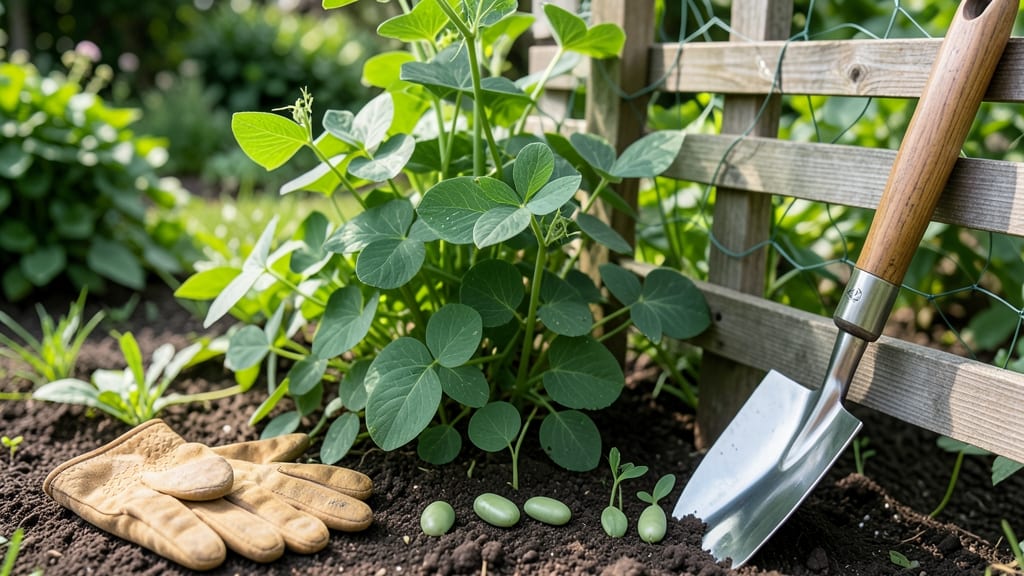
When to plant English peas in Alabama isn’t just about the calendar—it’s about outsmarting the state’s unpredictable frost patterns and soil quirks. Plant too soon, and a late freeze could wipe out your crop; too late, and summer’s heat will turn your sweet peas into tough, stringy disappointments. The right window means the difference between a bumper crop and a wasted season.
Most gardeners in Alabama’s 7b-8b zones swear by late winter to early spring (February–March) for spring peas, but fall plantings (September–October) can stretch your harvest into December.
The key? Knowing your microclimate—whether you’re in Birmingham’s urban heat island or the cooler Appalachian foothills—so you can time it perfectly for zero-frost risk.
I’ve tested these strategies across Alabama’s diverse growing zones, and what works in Mobile won’t always work in Huntsville. You’ll discover the exact weeks to plant for your specific area, plus soil prep tricks to give your peas the head start they need.
No more guesswork—just a foolproof plan for sweet, tender pods from spring to fall.
Ready to turn your Alabama garden into a pea powerhouse? Let’s break down the microclimate-specific schedule that’ll have you harvesting fresh peas for months—without the frost or heat surprises. Your taste buds (and dinner table) will thank you.
Alabama’s 10 microclimates: exact weeks to plant English peas for frost-free growth
Alabama’s 10 USDA hardiness zones (5b through 8a) create wildly different growing conditions for English peas. In zone 5b (North Alabama mountains), frost lingers until mid-April, while zone 8a (Gulf Coast) enjoys frost-free winters.
Your planting window must align with soil temperatures of 40–50°F and first/last frost dates that vary by 30+ days across the state.
For spring planting, aim to sow peas 4–6 weeks before your area’s last frost date. In fall, plant 8–10 weeks before the first frost to ensure mature pods before cold sets in.
Below, I’ve mapped out the exact calendar weeks for each zone, including urban heat island adjustments for cities like Birmingham and elevation risks in Huntsville.
🌱
In zone 5b, use black plastic mulch to warm soil faster—this can shift your planting window 2 weeks earlier. For
Spring vs. fall planting: which strategy maximizes Alabama yields?
Alabama’s spring and fall seasons offer two prime windows for growing English peas, but each comes with unique challenges. Spring planting (March–April) aligns with rising soil temperatures, while fall (September–October) extends harvests into cooler months.
The key difference? Heat tolerance—spring peas thrive in mild weather, while fall crops must avoid late-season heat spikes that stunt growth.
In USDA zones 7b–8a, spring planting dominates because peas struggle when daytime temps exceed 80°F. However, fall plantings in zones 7a and below can succeed if seeded 8–10 weeks before the first frost (typically mid-November).
The trade-off? Fall crops face shorter daylight, which may reduce yields but extends harvests into December.
Pro Tip: Use black plastic mulch in late-spring plantings to keep soil cool, or opt for shade cloth in zones 8a–8b to protect young plants from Alabama’s infamous "Indian summer" heat waves. This simple trick can add 2–3 extra weeks to your harvest window.
Spring Planting
- Longer daylight = faster growth
- Warmer soil speeds germination
- Lower pest pressure early in season
- Heat stress in May–June
- Requires consistent watering
- Shorter harvest window
Fall Planting
- Extended harvest into winter
- Cooler temps reduce fungal risks
- Fewer pests in late season
- Shorter daylight slows growth
- Frost risk in November
- Soil may compact after summer rains
For maximum yields, I recommend both strategies in zones 7a–7b: plant spring (March 1–15) for an early harvest and fall (September 15–30) to stretch yields. In zone 8a–8b, focus on spring only—fall plantings rarely mature before frost.
Test soil moisture weekly; Alabama’s unpredictable rains can either drown or dry out seedlings overnight.
Succession planting is your secret weapon. In zones 7–8, sow new seeds every 2 weeks from March through April to ensure a continuous supply of fresh peas. Pair this with radishes (they mature fast and deter pea pests) and lettuce (shade-sensitive crops benefit from pea vines). This 3-in-1 garden hack saves space and boosts productivity.
Remember: Soil temperature is your best friend. Use a soil thermometer—peas need 40–50°F to germinate. If your garden runs hotter (common in Birmingham’s urban heat islands), wait until mid-April for spring plantings or use straw mulch to insulate roots.
With these tweaks, you’ll turn Alabama’s climate quirks into harvest gold. 🌱