
Plants
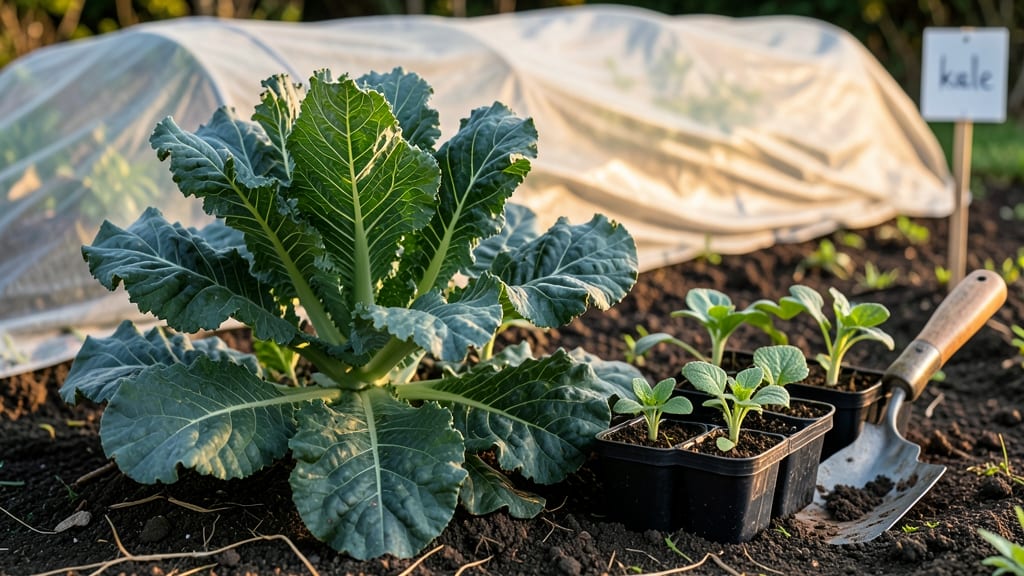
Knowing when to plant fall crops in Zone 6 could mean the difference between a bountiful harvest and wasted effort. With just 4-6 weeks before the first frost, timing is everything—especially when you want to avoid bolting or stunted growth in your 🥬 favorites like kale, spinach, and carrots.
Most gardeners in Zone 6a/6b make the mistake of planting too late, only to watch their crops bolt or freeze before maturity. But here’s the secret: working backward from your first frost date (usually around October 15 in this zone) ensures you get the most out of your fall garden.
In this guide, I’ll walk you through the exact month-by-month planting schedule for Zone 6, including which crops thrive in late summer and early fall—and which ones to avoid if you’re running out of time.
You’ll also discover how to extend your harvest season with row covers, which fast-growing varieties are your best bets for late planting, and the simple soil prep tricks that make all the difference. Let’s get your fall garden off to the right start!

Zone 6 fall planting timeline by month: avoid bolting with these exact dates
Timing is everything when you're planting fall crops in Zone 6. With the first frost typically arriving around October 15, you need to work backward to ensure your cool-season crops mature before winter sets in.
The best window? 4-6 weeks before frost, which for most of Zone 6 means late July to early September for most varieties.
But not all crops play by the same rules. Some, like spinach and arugula, can handle cooler temperatures and even light frosts, while others, like broccoli and kale, need a head start to bulk up before winter.
Let’s break it down month by month to help you avoid the common mistake of planting too late and watching your crops bolt or freeze.
Here’s your Zone 6 fall planting timeline, including the best crops for each month and how to extend your harvest season with succession planting.
| Month | Best Crops to Plant | Planting Window | Key Tips |
|---|---|---|---|
| Late July | Broccoli, Cabbage, Kale, Lettuce, Spinach, Swiss Chard, Turnips | Start seeds indoors or direct sow | Use shade cloth if temperatures exceed 80°F to prevent bolting |
| August | Carrots, Beets, Radishes, Arugula, Collards, Peas, Spinach | Direct sow for fast-growing crops | Mulch to retain soil moisture and regulate temperature |
| Early September | Garlic, Onions, Green Onions, Lettuce, Spinach, Radishes, Turnips | Last chance for fast harvesters | Use row covers to extend harvest into late fall |
| Mid-September | Cold-hardy greens (Kale, Spinach), Radishes, Arugula | Succession plant every 2 weeks | Protect with frost blankets for early frosts |
For late July plantings, focus on heat-tolerant varieties like broccoli and cabbage, which can handle summer heat before cooler fall temperatures set in. If your soil is still warm, consider using shade cloth to protect seedlings from bolting.
This is also the perfect time to start spinach and lettuce indoors or under shade to transplant later.
By August, shift to fast-growing crops like radishes (25 days to harvest) and arugula (40 days). These thrive in cooler weather and can be planted in succession every 2 weeks for continuous harvests.
Don’t forget to mulch your beds to retain moisture and suppress weeds, which will only get worse as temperatures drop.
If you’re planting in early September, your options narrow to cold-hardy crops like garlic, onions, and kale. These can handle light frosts and even improve in flavor after a frost.
For a last-minute harvest, try radishes or turnips, which mature in as little as 30 days. Use row covers to extend your growing season by 2-4 weeks.
Even in mid-September, you can still plant spinach, arugula, and kale for a late fall harvest. These crops not only tolerate cold but often taste sweeter after a light frost. Just be prepared to protect them with frost blankets or hoop houses once temperatures dip below freezing.
Pro tip: Use succession planting to keep your harvests coming. For example, sow radishes every 2 weeks in August and September to enjoy fresh harvests until frost. This strategy ensures you’re always getting something from your garden, even as the days grow shorter.
Finally, don’t overlook soil preparation. Before planting, amend your soil with compost to improve drainage and nutrient availability. Fall crops thrive in well-draining, fertile soil, so take the time to test your pH (aim for 6.0-7.0) and adjust if needed.
A little prep now means bigger, healthier plants later.
With this timeline, you’ll avoid the heartbreak of watching your fall crops bolt or freeze. Instead, you’ll enjoy a bountiful harvest that stretches from September straight through winter—if you’re lucky enough to have a mild one! 🌱
How to calculate your first frost date and adjust planting for fall success
Figuring out when to plant fall crops in Zone 6 starts with your first frost date. Most gardeners in this zone experience their first frost between October 10-20, but your exact date depends on elevation, local microclimates, and past weather patterns.
For example, if you live in Zone 6a (colder subzone), your frost may arrive earlier than in Zone 6b.
To find your precise frost date, check the USDA Plant Hardiness Zone Map and cross-reference it with your local weather station data. Websites like Almanac.com or National Weather Service provide historical frost dates for your area.
For instance, if your first frost is October 15, you’ll want to plant most fall crops 4-6 weeks before that date—so around late August to early September.
Once you’ve pinpointed your frost date, work backward using each crop’s days to maturity. For example, if you’re growing bush beans (50 days to harvest), plant them by August 25 to ensure they mature before frost.
This method ensures you avoid bolting (when plants flower prematurely) and maximize your harvest window.
🌱 Pro Tip: Use a planting calendar or spreadsheet to track your frost date and crop maturity timelines. Many free templates are available online, or you can create one in Google Sheets with columns for crop name, days to maturity, and ideal planting window.
If your frost date is earlier than expected, don’t panic—you can extend your growing season with tools like row covers or cold frames. These protect delicate crops from light frosts (28°F) and can push your harvest window by 2-4 weeks.
For example, a floating row cover can shield spinach or lettuce until November 1 in Zone 6.
Another trick is to choose heat-tolerant varieties of cool-season crops. For instance, ‘Winter Density’ kale or ‘Flash’ spinach can handle warmer soil temperatures better than standard varieties. These selections give you a 10-14 day buffer in your planting window, reducing the risk of bolting.
Finally, always account for soil temperature, which should be at least 45°F for most fall crops to germinate properly. Use a soil thermometer to check temperatures before planting.
If your soil is still too warm (above 80°F), wait a few days or use shade cloth to cool it down.