
Flowers
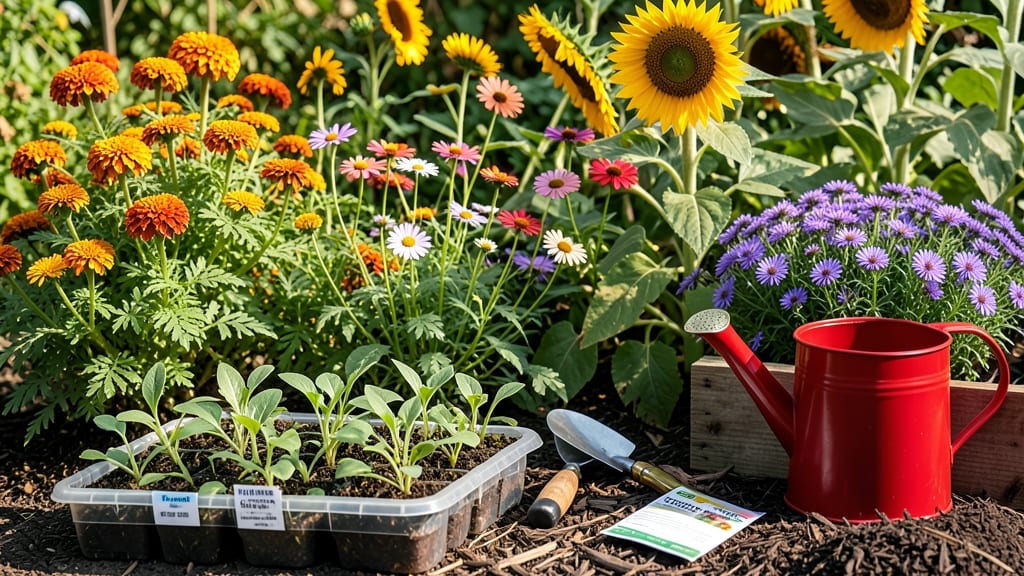
Timing your Fall Flowers 🌼 planting in Georgia could mean the difference between a vibrant garden and frost-killed blooms before they even show off their colors. The key isn’t just picking August or September—it’s understanding your exact microclimate’s frost risk to give those flowers the best shot at thriving.
Miss the ideal window, and you’ll watch your hard work wither under Georgia’s first frost, which can hit as early as mid-November in some areas. But nail it, and you’ll enjoy months of color from September through December, with some varieties even reblooming in spring.
This isn’t just about planting—it’s about strategy.
Whether you’re in North Georgia’s cooler Zone 7a or South Georgia’s milder Zone 8b, the right timing ensures your flowers establish roots before winter sets in.
I’ll walk you through the exact weeks to plant, soil prep tips, and how to protect your blooms from Georgia’s unpredictable late falls—so you can enjoy that fall garden magic without the stress.
Ready to transform your yard into a seasonal showstopper? Let’s dive into the microclimate-specific planting schedule that’ll keep your Fall Flowers blooming long after your neighbors’ gardens have gone dormant.
Georgia’s frost risk zones: exact weeks to plant fall flowers by region
Georgia’s diverse climate means your fall planting window can vary by hundreds of miles. In North Georgia (Zone 7a), like Atlanta, the first frost typically arrives by mid-October, while South Georgia (Zone 8b), including Savannah, often enjoys frost-free conditions until late November.
Understanding these microclimate differences ensures your flowers bloom before winter sets in.
For optimal seedling success, aim to plant when soil temperatures stay above 60°F (15°C)—a critical threshold for root establishment. In Central Georgia (Zone 7b/8a), this usually aligns with early to mid-September, giving flowers enough time to root before cooler weather arrives.
Use a soil thermometer to verify conditions if you’re unsure.
Here’s how to match your planting timeline to Georgia’s frost risk zones for zero frost risk:
| Region | USDA Zone | First Frost Date | Ideal Planting Window | Soil Temp Goal |
|---|---|---|---|---|
| North Georgia | 7a | Mid-October | Late August to early September | 60°F (15°C) |
| Central Georgia | 7b/8a | Late October | Early to mid-September | 60°F (15°C) |
| South Georgia | 8b | Late November | Mid-September to early October | 60°F (15°C) |
🌡️ Pro Tip: Adjust for elevation—higher areas (e.g., Blue Ridge Mountains) frost earlier.
If you’re in Zone 7a, don’t wait past early September—late plantings risk stunted growth before frost. For Zone 8b, you can push planting to mid-October for late-season blooms, but prioritize cold-hardy varieties like pansies or calendulas for extended color.
Check your local Cooperative Extension Service for hyper-local frost data. For example, Athens (Zone 7b) often has a 2-week earlier frost than nearby Macon (Zone 8a). These nuances can mean the difference between vibrant fall gardens and frost-killed seedlings.
For container gardening, you have slightly more flexibility. Move pots to protected microclimates (e.g., near south-facing walls) to extend the season by 2-3 weeks. Just ensure containers have drainage holes to prevent root rot from Georgia’s occasional warm-season rains.
Use mulch (straw or shredded leaves) to insulate soil and maintain consistent temperatures. A 3-inch layer can delay frost damage by 1-2 weeks, giving your flowers extra time to establish roots. This is especially critical for tender perennials like salvias or coreopsis.
Remember, late-September plantings in North Georgia are risky—aim for 6-8 weeks before frost to guarantee blooms. For South Georgia gardeners, you can experiment with October plantings of winter pansies, which often survive light frosts and rebound in spring.
Finally, monitor weather forecasts for unexpected cold snaps. A row cover (floating fabric) can add 5-10°F protection if frost threatens prematurely. With the right timing and tools, your Georgia fall garden can burst with color until Christmas!
Best fall-blooming flowers for Georgia’s climate (with planting deadlines)
Choosing the right fall flowers 🌼 for Georgia means selecting varieties that thrive in our mild winters but still need time to establish roots before frost hits. The best options are cold-hardy annuals and perennials that bloom from September through December, with some even lasting into spring.
My top picks include pansies, calendulas, chrysanthemums, and asters, all of which handle Georgia’s Zone 7a-8b climate beautifully.
Each of these flowers has a specific planting window to ensure they bloom before the first frost. For North Georgia (Zone 7a), aim to plant by mid-September, while Central Georgia (Zone 7b/8a) can extend planting until early October.
South Georgia (Zone 8b) gardeners have the most flexibility, with deadlines pushing into late October.
Here’s a quick reference for the best fall-blooming flowers and their ideal planting times in Georgia:
- 🌸 Pansies – Plant 8-10 weeks before frost (early September in Zone 7a, late September in Zone 8b). Thrives in cool weather and blooms until spring.
- 🌻 Calendulas – Sow 6-8 weeks before frost (mid-September in Zone 7a, October in Zone 8b). Edible petals add a pop of orange/yellow and attract pollinators.
- 🌺 Chrysanthemums – Plant 6-8 weeks before first frost (late August in Zone 7a, September in Zone 8b). Choose hardy varieties like ‘Dwarf Bonanza’ for reliable blooms.
- 🌼 Asters – Sow 8-10 weeks before frost (early September in Zone 7a, late September in Zone 8b). Perennial favorite with late-season color (purple, pink, white).
- 🌿 Salvias – Plant 6-8 weeks before frost (late August in Zone 7a, September in Zone 8b). Drought-tolerant and hummingbird-magnet with vibrant blooms.
- 💐 Sweet Alyssum – Sow 4-6 weeks before frost (October in Zone 8b, September in Zone 7a). Fragrant white/purple blooms perfect for borders.
For longer-lasting blooms, pair these flowers with cool-season vegetables like kale or lettuce. The contrast of deep greens and vibrant flowers creates a stunning fall garden that keeps giving even after frost.
Just remember: soil temperature matters just as much as air temperature—wait until the soil cools to 60-65°F for best seedling success.
Pro tip: Deadhead spent blooms regularly to encourage more flowers and extend the season. This simple task can add 2-4 extra weeks of color to your garden, especially for varieties like calendulas and asters.
With the right timing and care, your fall garden will be the talk of the neighborhood—long after your summer annuals have faded.
Need a quick cheat sheet? Bookmark this list and check your local frost dates before you dig in. The key to fall gardening in Georgia isn’t just planting—it’s strategic planning to beat the clock before winter arrives.