
Plants
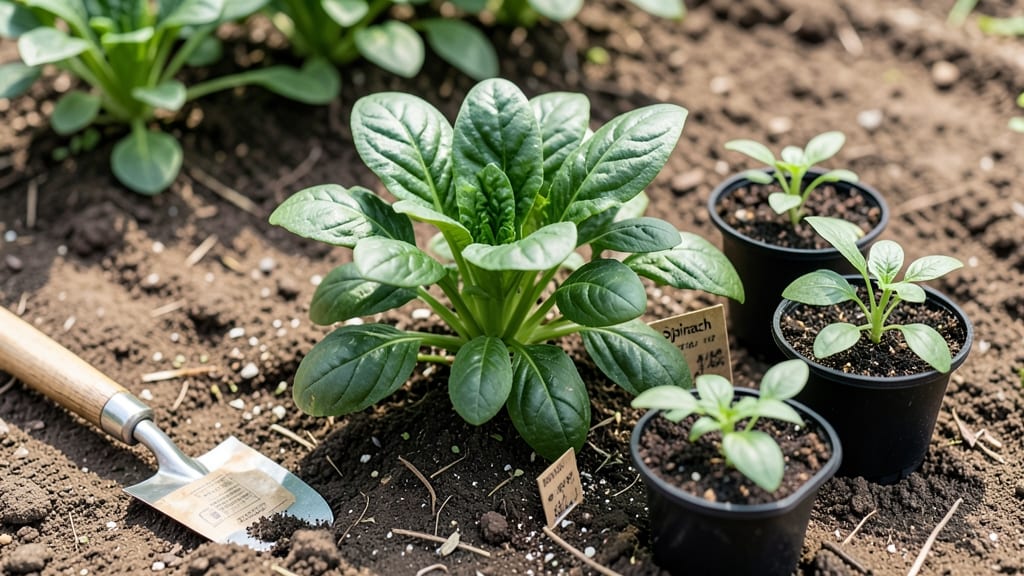
If you're planting fall spinach in Zone 6, timing is the game-changer between a bountiful harvest and bitter disappointment.
That perfect window isn't just "late summer" - it's 3 exact weeks before your first frost, when soil temps hover between 45-65°F and your 🥬 plants can thrive without bolting.
Most gardeners in 6a-6b zones wait until August, but planting too early means summer heat stresses your spinach, while waiting too long risks frost before maturity. The sweet spot? Late August to early September, when days grow shorter and cooler - exactly when spinach's cold tolerance kicks in.
Here's what you need to know: which varieties handle Zone 6's chill best, how to adjust for early frosts, and pro tips to extend your harvest past the first freeze. We'll cover everything from soil prep to harvest timing so you can enjoy tender leaves straight from your garden.
Ready to grow spinach that tastes sweeter after frost? Let's get your planting schedule locked in for maximum flavor and yield this fall.

3 Exact weeks before first frost: the perfect fall spinach planting window
Fall spinach thrives in Zone 6 when planted at the right moment—not too early (it bolts) and not too late (it won’t mature). The ideal window is 3 weeks before your first frost date, typically landing in late August to early September for most of Zone 6.
This timing ensures your spinach reaches maturity before winter’s chill sets in.
Your first frost date is the critical benchmark. In Zone 6, this usually falls between mid-October and early November, but exact dates vary by location. For example, Chicago’s average first frost is October 20, while Asheville’s comes later, around November 5.
Use the USDA Plant Hardiness Zone Map or local almanac to pinpoint your exact date.
Soil temperature matters just as much as air temperature. Spinach seeds need soil that’s at least 45°F to sprout, but they grow best when soil stays between 50-65°F.
If your soil is too hot (above 80°F), seeds may fail to germinate. Test soil temps with a soil thermometer or wait until evening temps drop below 85°F.
Here’s how to calculate your planting date: Subtract 21 days from your first frost date. For instance, if frost hits October 25, plant by September 24. This gives your spinach 3 weeks to mature before winter slows it down.
For a second harvest, plant another batch 2-3 weeks later—just ensure it matures before hard frosts.
| Zone 6 Location | Avg. First Frost | Planting Window | Soil Temp Goal |
|---|---|---|---|
| Chicago, IL | October 20 | August 30 - September 10 | 50-65°F |
| Cincinnati, OH | October 25 | September 4 - September 14 | 50-65°F |
| Asheville, NC | November 5 | September 25 - October 5 | 45-60°F |
| Des Moines, IA | October 15 | August 25 - September 5 | 50-65°F |
Regional microclimates can shift your planting date by 1-2 weeks. Coastal areas (like parts of Michigan’s Great Lakes region) may experience later frosts, while inland spots (like Ohio valleys) can see earlier cold snaps.
Observe your garden’s patterns: Note when nearby tomatoes or peppers ripen—these crops signal soil warmth similar to spinach’s needs.
Adjust for early or late frosts by monitoring weather forecasts. If a cold snap is predicted 2 weeks before your planting window, delay sowing. Conversely, if summer lingers hot, plant shade cloth over seeds to cool the soil. A light shade cloth (30%) works well for this purpose.
Don’t overlook succession planting for a prolonged harvest. After your initial planting, sow a second batch 2-3 weeks later to replace any bolting plants. This ensures a steady supply of fresh spinach until hard frosts arrive.
Space seeds 1 inch apart in rows 12 inches apart for optimal airflow and growth.
Finally, prepare your soil 2-3 weeks before planting. Spinach prefers well-draining, slightly acidic soil (pH 6.5-7.0). Amend heavy clay with compost or sand, and ensure the area gets 4-6 hours of sunlight daily. A light mulch (straw or shredded leaves) helps retain moisture and regulate soil temperature.
With these precise timing tips, your Zone 6 fall spinach will deliver tender, flavorful leaves right up until winter’s first freeze. Happy planting! 🌱
3 Exact weeks before first frost: the perfect fall spinach planting window
Your Zone 6 frost date is the ultimate deadline for planting fall spinach. Most locations experience their first frost between mid-October and early November, so count back 3 weeks to land on your ideal planting window: late August to early September.
This timing ensures your spinach matures before hard frost while escaping summer's heat stress.
For example, if your first frost arrives October 15th, aim to plant by September 15th. Use this soil temperature rule: spinach thrives when soil temps stay between 45-65°F during the day.
Check your local frost date averages—Appalachia often gets frost earlier than the Midwest, so adjust accordingly.
| Zone 6 Region | First Frost Date | Planting Window | Soil Temp Goal |
|---|---|---|---|
| Appalachian Mountains | Late October | Early to mid-August | 45-55°F |
| Midwest (Ohio, Indiana) | Mid-October | Late August | 50-60°F |
| Great Lakes (Michigan, Wisconsin) | Early November | Early to mid-September | 55-65°F |
Pro tip: Use a frost date calculator like the Old Farmer's Almanac or your local Cooperative Extension Service for precise dates. If your area has unpredictable frosts, plant succession crops every 2 weeks from mid-August to early September for continuous harvests.
For extra insurance, choose cold-hardy varieties like 'Tyee' or 'Space', which tolerate light frosts better than standard types. These varieties mature in 40-45 days, giving you a head start on flavorful harvests.
Once planted, mulch with straw to maintain even soil temps and reduce weeds. This simple step keeps your spinach happy until harvest—just 3 weeks before frost—when you'll enjoy the sweetest, most tender leaves of the season.