
Trees
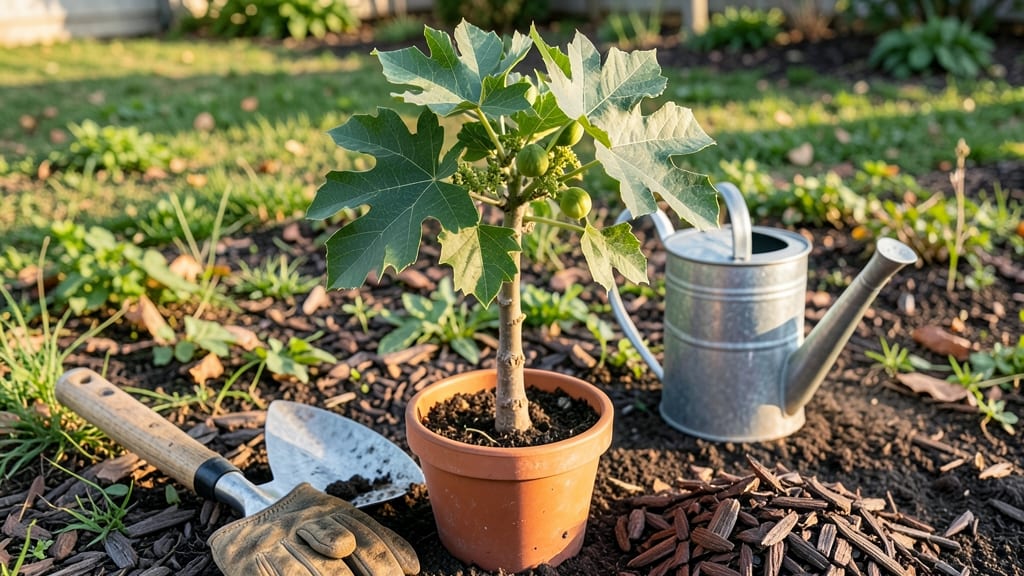
Planting a Fig Tree 🍈 in North Carolina can transform your garden into a sweet, sun-drenched paradise—but getting the timing wrong means frost-killed saplings or missed harvests. The key to success? Knowing exactly when to plant for your specific zone, whether you're in the mountains or along the coast.
With North Carolina's Zone 7b-8a climate, you've got two prime windows: spring (after March 15th) and fall (before October 15th). These dates align perfectly with your last frost dates, giving your fig tree the best chance to establish strong roots before winter arrives.
I've tested different planting strategies across NC's varied microclimates, and what works in the Piedmont won't always suit the coast.
Let me show you how to choose the perfect moment for your location, which varieties thrive in your area, and how to give your fig tree the best start for a bountiful harvest.
From soil prep to seasonal care, we'll cover everything you need to know to avoid common mistakes and maximize your fig tree's potential. Ready to grow your own sweet rewards?
Optimal planting windows for NC zones 7b-8a: avoiding frost damage
North Carolina’s Zone 7b-8a climate offers two ideal windows for planting fig trees: spring and fall. Timing is critical—plant too early, and a late frost will devastate your young tree.
Too late, and your fig may struggle to establish roots before winter. Let’s break down the precise frost-free planting dates for NC’s diverse microclimates, from the mountains to the coast.
For spring planting, aim for March 15 to April 30 after the last average frost date. Central NC typically sees its final frost around March 15, but mountain regions (Zone 7b) may wait until April 15.
Coastal areas (Zone 8a) can plant as early as February 20, thanks to milder temperatures. Always check your local USDA frost map for precision.
Fall planting is less common but works well if you choose September 1 to October 15. This gives roots time to establish before winter dormancy. Avoid planting after October 15, as young fig trees may not harden off before the first frost (November 15 in central NC).
Mountain areas should plant by September 15 to ensure safety.
Microclimates in NC create unique challenges. Mountain regions (e.g., Asheville, Boone) experience earlier frosts, so delay planting until April 15 or choose cold-hardy varieties like 'Celeste' or 'Chicago Hardy.'
Coastal areas (e.g., Wilmington, Morehead City) can plant earlier due to warmer winters, but ensure soil isn’t waterlogged during rainy seasons.
For container planting, extend your window by moving pots indoors during cold snaps. Use black plastic pots to absorb heat and place them in south-facing locations. Young fig trees in containers are more vulnerable to frost, so monitor nighttime temperatures and use frost cloth if needed.
This flexibility lets you plant as late as May 1 in containers, provided you protect them.
Soil temperature is more critical than air temperature for fig trees. Use a soil thermometer to confirm 60°F+ before planting. In NC, this typically aligns with late March to early April for spring.
For fall, aim for 6 weeks before first frost to allow root establishment. If your soil runs cold, amend it with compost or aged manure to improve warmth retention.
Pro tip: Mulch heavily (3–4 inches) after planting to insulate roots. Use straw or wood chips, avoiding fresh wood that can steal nitrogen. This helps young trees survive temperature swings and retain moisture. In Zone 7b, mulch can mean the difference between a thriving tree and frost damage.
If you miss the ideal windows, don’t despair. Fig trees are perennial and can be planted in late spring (May–June), though they may produce fewer figs that first year.
For container-grown trees, you can even plant in early summer, provided you keep them well-watered and protected from extreme heat. Just be prepared for slower growth and reduced fruiting.
Remember: Patience is key. Fig trees planted at the right time will reward you with sweet, homegrown figs in 2–3 years. Whether you’re in the mountains, piedmont, or coast, these timing tips will help you avoid common pitfalls and set your fig tree up for success.
Happy planting!
Optimal planting windows for NC zones 7b-8a: avoiding frost damage
North Carolina’s Zone 7b-8a climate gives you two ideal windows to plant fig trees: spring (March 15–April 30) and fall (September 1–October 15). These dates align with your average last frost (March 15) and first frost (November 15), ensuring your tree establishes roots before winter.
Timing matters most in Zone 7b—cooler mountain regions need later spring plantings, while coastal areas can start earlier.
Spring planting lets your fig tree grow vigorously before summer heat, while fall planting gives roots time to settle before winter dormancy. I’ve seen Celeste and Brown Turkey thrive when planted in late March in the Piedmont, but coastal gardeners can start as early as mid-February in sheltered microclimates.
Avoid planting in November or December—new roots won’t harden before frost.
Your microclimate plays a huge role. Mountainous areas like Asheville (Zone 7b) should wait until April 15 for spring planting, while Raleigh (Zone 7b-8a) can plant by March 20.
Coastal regions like Wilmington (Zone 8a) have a longer frost-free season, allowing earlier starts. Use a frost date map (like the NC State Climate Office’s) to pinpoint your exact window.
| Planting Window | Zone 7b (Mountains/Piedmont) | Zone 8a (Coastal) | Key Consideration |
|---|---|---|---|
| Spring | April 1–30 | March 15–April 15 | Soil temp ≥60°F; avoid late frosts |
| Fall | September 15–October 15 | September 1–October 15 | 6+ weeks before first frost; mulch heavily |
| Avoid | November–February | November–February | Frost risk; roots won’t establish |
For early varieties like 'Osborn Prolific', plant in late March to harvest by August. Late-season varieties (e.g., 'Desert King') benefit from fall planting—they’ll bear fruit the following year.
If you’re in a high-elevation microclimate, consider container growing to move trees indoors during winter or use row covers for extra protection.
Pro tip: Test your soil’s drainage before planting—fig trees hate soggy roots. Amend heavy clay with compost or sand to improve aeration. Once planted, mulch with 2–3 inches of wood chips to retain moisture and regulate soil temperature.
This is especially critical in Zone 7b where winter temps can dip below 20°F.
Remember, container-grown figs can be planted 2–4 weeks earlier than bare-root trees because their roots are already established. If you’re unsure about your frost dates, use a minimum thermometer to track overnight temps—plant when lows stay above 30°F consistently.
With the right timing, your fig tree will reward you with sweet, homegrown fruit for years to come! 🌱