
Flowers
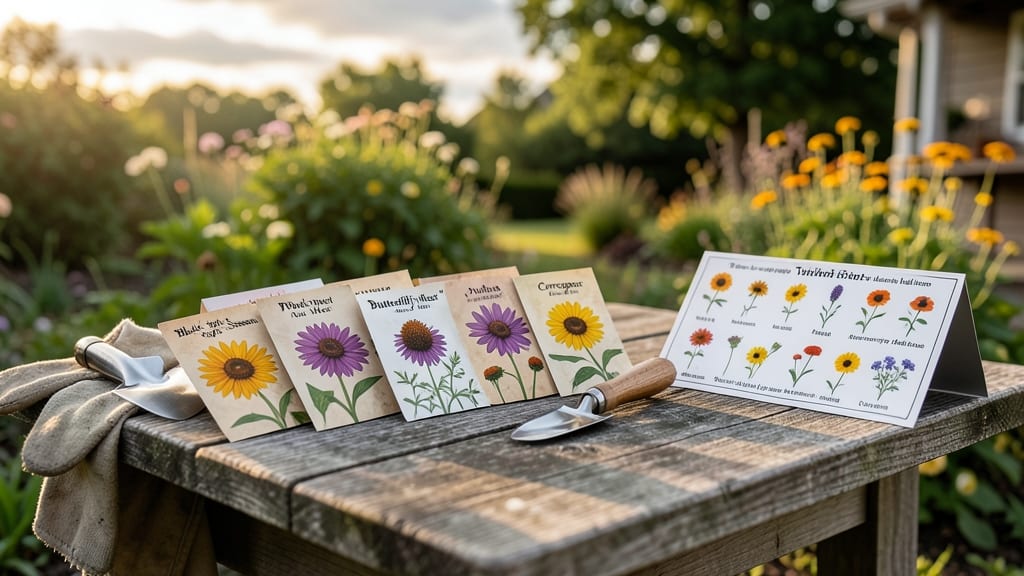
Timing your flower seeds planting in Tennessee isn’t just about luck—it’s about knowing when the soil warms, when frost fades, and how your region’s microclimate plays a role.
One wrong move, and you could end up with stunted blooms or wasted seeds, especially in Zone 7b where 165-200 frost-free days make every week count.
I’ve seen gardeners in East Tennessee rush their spring plantings only to watch delicate 🌸 petunias wilt in late April frosts, while their West Tennessee neighbors enjoy vibrant marigolds by early May.
The difference? Understanding your local frost dates—typically March 15 for last frost and November 15 for first—and adjusting for elevation changes that can shift timing by weeks.
What if you could extend your blooming season by 30-60 days with simple tricks like succession planting or row covers? This guide breaks down exactly when to plant everything from cool-season pansies to heat-loving zinnias, plus how to protect your garden when Tennessee’s unpredictable weather strikes.
Whether you’re a first-time gardener or a seasoned pro, you’ll walk away with a clear planting calendar, soil prep tips, and even container gardening hacks tailored to Tennessee’s climate. Let’s turn your garden into a year-round 🌸 paradise—starting with the perfect planting window.
Tennessee Zone 7b frost dates & critical flower seed planting windows
Tennessee’s Zone 7b climate offers a 165-200 day frost-free growing season, giving gardeners plenty of time to cultivate vibrant blooms. However, knowing the exact frost dates and optimal planting windows is key to avoiding frost damage or missed blooms.
The average last frost date in most of Tennessee falls between March 15 and April 15, while the first frost typically arrives between October 15 and November 15. These dates can shift slightly depending on elevation and microclimates.
For cool-season flowers like pansies, snapdragons, and sweet alyssum, start sowing seeds 4-6 weeks before the last frost—around February to early March. These hardy varieties can even tolerate light frosts, making them ideal for early spring planting.
In contrast, warm-season flowers such as zinnias, marigolds, and sunflowers need to wait until the soil warms to at least 60°F, usually after April 15, to thrive.
Here’s a quick reference to help you plan:
| Planting Window | Flowers to Plant | Soil Temp Requirement | Notes |
|---|---|---|---|
| February - Early March | Pansies, Snapdragons, Sweet Alyssum | 45-55°F | Cool-season; frost-tolerant |
| Mid-March - April 15 | Calendula, Larkspur, Stock | 50-60°F | Moderate cool-season |
| After April 15 | Zinnias, Marigolds, Sunflowers | 60°F+ | Warm-season; full sun |
| August - Early September | Cosmos, Black-Eyed Susans, Asters | 55-65°F | Late summer succession |
If you’re in East Tennessee, where temperatures can dip slightly earlier, consider starting cool-season flowers 2-3 weeks earlier than the average dates. Meanwhile, West Tennessee tends to have warmer microclimates, allowing for later spring plantings.
Always monitor local weather forecasts, as unexpected late frosts can still occur, especially in higher elevations like the Great Smoky Mountains.
For perennial flowers like coneflowers, black-eyed Susans, and bee balm, sow seeds in early spring or late summer for the best establishment. These plants benefit from a longer growing season to develop strong root systems before winter.
Mulch heavily after planting to insulate roots and protect against early or late frosts.
Pro tip: Use row covers or cold frames to extend your planting window by 2-4 weeks in either direction. This is especially useful for heat-sensitive flowers like cosmos or dahlias, which thrive in warm soil but can struggle with Tennessee’s occasional late spring chills.
Always test your soil’s temperature and pH before planting. A soil thermometer is your best friend—warm-season flowers like petunias and geraniums won’t germinate well in cold soil, no matter how eager you are to see them bloom. Aim for 60-65°F for most annuals, and 50-55°F for cool-season varieties.
Timing isn’t just about frost dates—it’s also about succession planting. For example, sow marigolds every 2 weeks from May through July to ensure continuous blooms all summer. This strategy works for other heat-loving annuals too, like zinnias and sunflowers.
Remember, Tennessee’s microclimates can vary dramatically. Urban areas like Nashville or Chattanooga may experience heat islands, while rural spots in the Cumberland Plateau can stay cooler. Adjust your planting schedule based on your specific location’s history—your neighbors’ gardens are a great reference!
Best flowers to plant by month in Tennessee (with microclimate adjustments)
Tennessee’s diverse climate means your monthly planting schedule should shift based on whether you’re in East Tennessee’s cooler valleys or West Tennessee’s warmer plains.
For example, my Nashville garden thrives with petunias planted in late April, while a friend in Chattanooga starts hers by mid-April due to earlier soil warming. Let’s break down the best flowers to plant each month, plus adjustments for container gardening and urban heat islands.
Start your year with cool-season champions like pansies and snapdragons in February and March. These hardy annuals handle Tennessee’s 45-55°F soil and even light frosts. In East Tennessee, add a row cover for extra protection if nights dip below 30°F.
For container gardens, use self-watering pots to prevent soil from drying out too quickly in urban microclimates.
Here’s my month-by-month planting guide with top-performing flowers and microclimate tips:
- 1 February-March: Pansies, Sweet Alyssum, Calendula (cool-season; start indoors or under row covers)
- 2 April: Petunias, Marigolds, Zinnias (wait until soil reaches 60°F+; West TN can plant 1-2 weeks earlier)
- 3 May-June: Sunflowers, Cosmos, Black-Eyed Susans (succession plant every 2 weeks for continuous blooms)
- 4 July: Late Dahlias, Celosia (heat-tolerant; mulch heavily to retain moisture)
- 5 August-September: Asters, Goldenrod, Snapdragons (late summer bloomers; ideal for fall color)
For container gardening, prioritize compact varieties like dwarf marigolds or bush petunias. These thrive in 5-gallon pots with well-draining mix and get planted 2-3 weeks later than in-ground flowers to avoid overheating.
In urban areas, containers also help mitigate heat island effects by elevating plants slightly off the pavement.
If you’re in East Tennessee’s higher elevations (like Sevier County), delay warm-season plantings by 1-2 weeks to avoid late frosts. Meanwhile, West Tennessee’s Memphis area can often plant zinnias in early April without issues.
Always check the UT Extension’s frost maps for real-time updates—these tools adjust for local variations better than generic calendars.
Pro tip: Use succession planting for marigolds and zinnias every 2 weeks from May through July. This ensures your garden never runs out of blooms, even during Tennessee’s dog days of summer. Pair them with self-seeding annuals like cosmos for effortless regrowth.
Don’t forget perennials! Sow seeds for coneflowers and bee balm in early spring or late summer. These tough natives handle Tennessee’s humidity and heat once established, making them low-maintenance workhorses for your garden. Mulch them heavily in fall to protect roots during winter.
By following this schedule and adjusting for your microclimate, you’ll enjoy continuous blooms from early spring through frost.
Whether you’re a balcony gardener in Nashville or a rural homesteader in the Cumberland Plateau, these timing tips will help you beat Tennessee’s unpredictable weather and grow a showstopping flower garden.