
Flowers
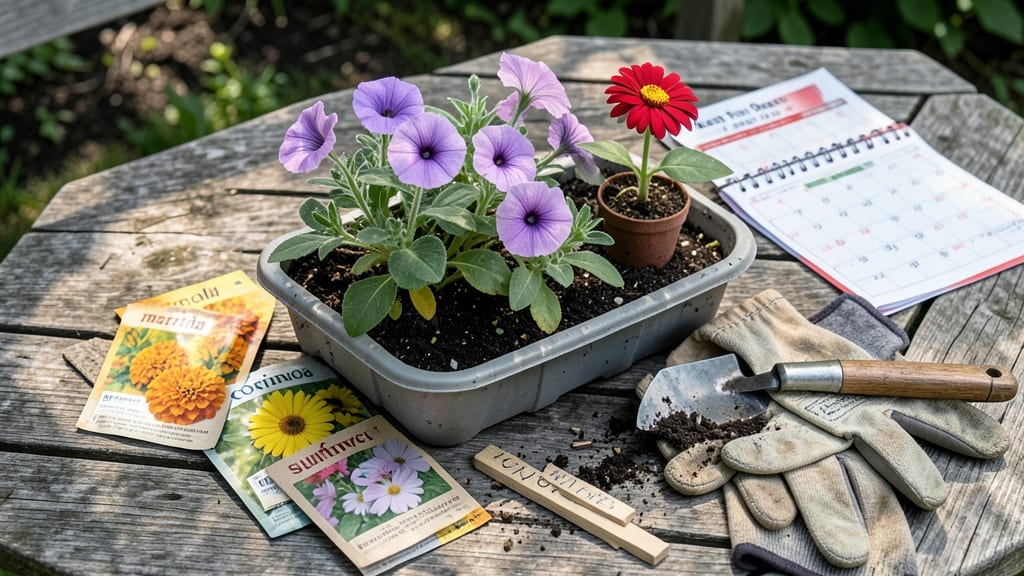
Timing your flower seed planting in Wisconsin could mean the difference between a vibrant garden and a sad, frost-killed mess. With Wisconsin’s unpredictable weather—especially in Zones 5a-6b—getting those seeds in the ground at the right moment is the key to success.
I’ve seen too many gardeners rush their planting, only to watch their hard work vanish overnight when a late frost hits. But here’s the good news: with the right frost-free deadlines and a few smart strategies, you can beat the odds and enjoy blooms all season long.
In this guide, I’ll break down exactly when to start your seeds indoors, when to plant directly outdoors, and which fast-blooming varieties thrive in Wisconsin’s short growing season. Whether you’re a first-time gardener or a seasoned pro, these tips will help you avoid common mistakes and maximize your garden’s potential.
Ready to turn your backyard into a burst of color? Let’s dive into the perfect planting schedule for your Wisconsin garden—so you can enjoy those flowers from summer through fall without the guesswork.
Wisconsin frost-free deadlines by month: when to start flower seeds indoors vs. outdoors
Wisconsin’s Zone 5a-6b climate demands precision when planting flower seeds. The average last frost dates range from April 15-30 in southern Wisconsin to May 1-15 in northern areas, but these can shift dramatically year to year.
To avoid frost damage, I’ve mapped out the ideal planting windows for both indoor seed-starting and direct outdoor sowing.
For indoor seed-starting, begin 4–8 weeks before your expected last frost date. This gives seedlings enough time to develop strong roots before transplanting. In Zone 5a, that means starting most annuals around March 15-April 1, while Zone 6b gardeners can wait until late March-April 15.
Cool-season flowers like snapdragons and foxgloves can handle earlier starts, even in February.
Direct outdoor sowing should happen after the soil reaches 50°F (10°C) and stays consistently warm. In Wisconsin, this typically falls between May 15-June 1 for most annuals, but heat-loving varieties like marigolds and zinnias should wait until after June 1 to avoid bolting.
Fall planting for cool-season flowers begins in August-September, with deadlines around September 15 to allow blooms before frost.
🌱 Wisconsin Flower Seed Planting Timeline
| Planting Method | Zone 5a Deadline | Zone 6b Deadline | Best Varieties |
|---|---|---|---|
| Indoor Start (4-8 wks before last frost) | March 15-April 1 | Late March-April 15 | Snapdragons, Petunias, Coleus |
| Direct Outdoor Sowing (After last frost) | May 15-June 1 | May 1-June 1 | Zinnias, Cosmos, Sunflowers |
| Fall Planting (For late blooms) | August 1-September 15 | August 15-September 15 | Pansies, Sweet Alyssum, Calendula |
| Summer Heat-Tolerant Varieties | June 15-July 15 | June 1-July 15 | Marigolds, Portulaca, Lantana |
Pro tip: Use a soil thermometer to confirm soil warmth before direct sowing. Aim for 60°F (15°C) for most annuals, though some like snapdragons can tolerate cooler 50°F (10°C) soils.
In my garden, I’ve found that late May is the safest bet for heat-loving flowers, even if the frost date has passed.
For perennials, timing varies by type.
Hardy perennials like coneflowers and black-eyed Susans can be sown directly in early spring or early fall, while tender perennials like dahlias require indoor starts in March for Zone 5a. Always check seed packets for specific instructions—some varieties need stratification or scarification to germinate properly.
Don’t forget about succession planting! By staggering your sowing dates every 2-3 weeks from May through July, you can enjoy continuous blooms all summer. For example, I plant cosmos seeds in early May, then again in mid-June to extend their flowering into September.
This simple trick transforms a 6-week bloom window into a 12-week color show.
If you’re new to seed-starting, invest in a grow light or place seedlings near a south-facing window for 12-16 hours of light daily. Without enough light, seedlings become leggy and weak.
I’ve had the best success with a T5 fluorescent bulb kept just a few inches above the seedlings—it’s a small investment that pays off in stronger transplants.
For gardeners in Zone 6b, you’ve got a slight advantage with later frost dates. Take advantage by starting tender annuals like geraniums and begonias in late March for earlier blooms. But don’t push it—even Zone 6b can see late spring frosts, especially in valley areas.
Always monitor your local frost forecast in the weeks leading up to your planting window. The National Weather Service and local agricultural extensions provide updated frost date maps. In my experience, April 30 is the risk
Best flower seed varieties for Wisconsin’s short growing season: fast-blooming vs. cold-hardy picks
Wisconsin’s short growing season demands smart choices—you need flowers that bloom quickly or tolerate cool temps. After years of testing, I’ve found the best performers fall into two categories: fast-blooming annuals and cold-hardy perennials. The right mix ensures color from early summer through frost.
For instant gratification, fast-blooming annuals like zinnias and cosmos are my top picks. They germinate quickly (7–14 days) and produce flowers in as little as 60 days. Meanwhile, cold-tolerant perennials like snapdragons and foxgloves handle Wisconsin’s chilly springs and falls like champions.
Here’s my curated list of varieties that thrive in Zones 5a-6b, along with their unique advantages for Wisconsin gardeners:
- 1. Zinnias – Bloom in 60 days, drought-tolerant, and attract pollinators. Perfect for cutting gardens!
- 2. Cosmos – Germinate in 7 days, thrive in poor soil, and keep blooming until frost.
- 3. Snapdragons – Cold-hardy (survive light frosts), ideal for fall planting, and great for pollinators.
- 4. Foxgloves – Biennial perennials that self-seed easily and tolerate partial shade.
- 5. Sunflowers – Fast-growing (60–90 days), drought-resistant, and add height to beds.
- 6. Marigolds – Repel pests, bloom in 45 days, and thrive in hot Wisconsin summers.
- 7. Coneflowers – Perennial powerhouses that return yearly and attract butterflies.
To extend your blooming season, use succession planting—sow fast growers like marigolds every 2–3 weeks from late spring through early summer. This ensures continuous color even if early plantings bolt in the heat.
For perennials, focus on cold-hardy varieties like black-eyed Susans or bee balm. They’ll establish roots in spring, survive summer heat, and reward you with fall blooms before winter sets in.
Pro tip: Always check seed packets for days to maturity and count backward from your average first frost date (typically mid-October in Wisconsin). This ensures you’ll enjoy blooms before the cold arrives.