
Plants
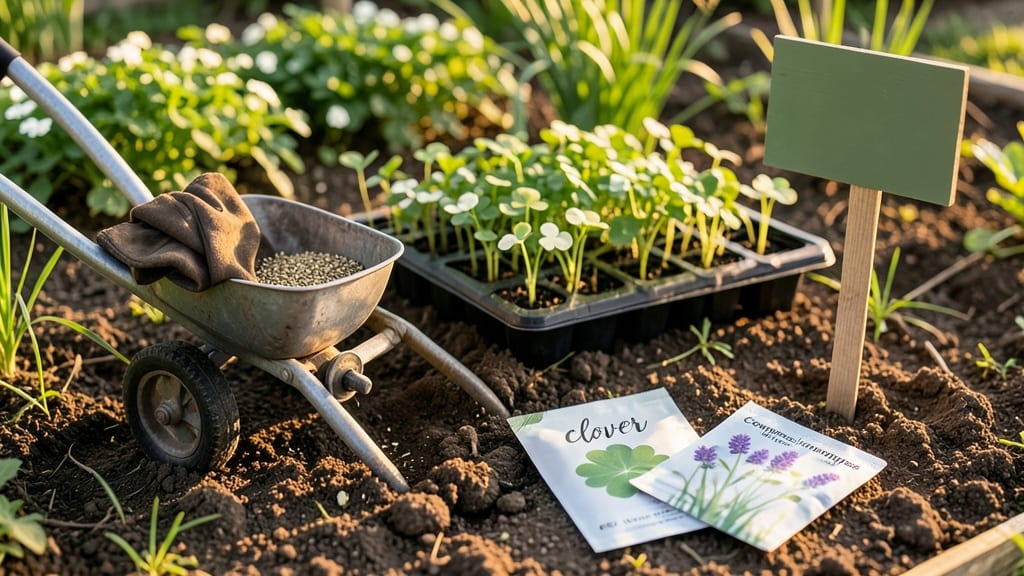
Timing when to plant food plots in Florida isn’t just about throwing seeds in the dirt—it’s about outsmarting the state’s humidity, unpredictable rain, and heat waves to create a deer magnet that actually thrives.
One wrong move, and your hard work could end up drowned in a downpour or wilting under 95°F sun before it even sprouts.
I’ve planted 🌱 food plots across Florida’s 8a-11 zones and learned the hard way: cool-season crops like clover need to hit the ground by February, while warm-season powerhouses like sorghum-sudangrass demand May-June planting to avoid bolting too soon.
Skip these windows, and you’re basically rolling the dice with Mother Nature’s mood swings.
What if I told you there’s a way to double your success rate by aligning planting with rainfall patterns and humidity trends? You’ll discover exactly when to prep soil, which crops handle Florida’s heat best, and how to adjust for hurricane season—without losing your plot to a sudden storm.
Let’s cut through the guesswork and get your food plots growing like they’re in a controlled greenhouse, not the Florida wilderness. Ready to turn your property into a wildlife buffet? Here’s how to make it happen—step by step.
Florida food plot planting calendar: month-by-month rainfall and humidity guide
Florida’s food plot success hinges on understanding its two distinct seasons: warm and cool. Unlike northern states, Florida’s frost-free growing window spans nearly year-round, but humidity and hurricane risks dictate precise timing. Planting at the wrong time risks fungal diseases or washed-out seeds during summer storms.
For cool-season crops like clover and brassicas, aim for February through March when soil temperatures dip slightly. This window avoids extreme summer heat while still benefiting from Florida’s long daylight hours. In North Florida (Zones 8a-9a), you might squeeze in a late January planting before warm fronts arrive.
Warm-season crops such as sorghum-sudangrass mixes and peanut varieties thrive when planted August through October. This timing lets seedlings establish before hurricane season peaks in September. South Florida (Zones 10a-11) can extend warm-season planting into November, but monitor soil moisture closely—excess rain can drown young plants.
| Month | Best Crops | Rainfall Risk | Humidity Level | Key Tip |
|---|---|---|---|---|
| January | Clover, Rye, Turnips | Low-Moderate | Moderate | Test soil moisture; avoid waterlogged areas. |
| February | Brassicas, Clover Blends | Moderate | High | Use fungicide seed treatments for humidity. |
| March | Cool-Season Grasses | High | Very High | Plant early in month to avoid heat stress. |
| August | Sorghum-Sudangrass | Very High | Extreme | Irrigate lightly post-planting to prevent seed rot. |
| September | Peanuts, Millet | Extreme | Extreme | Avoid planting during hurricane watches. |
| October | Winter Peas, Turnips | High | High | Use raised beds in waterlogged areas. |
North Florida (e.g., Jacksonville, Gainesville) has slightly cooler winters, allowing November plantings of frost-tolerant crops like ryegrass. In contrast, South Florida (Miami, Naples) can plant warm-season crops year-round, but August-September remains riskiest due to hurricane season. Always check NOAA forecasts before planting during these months.
For overwintering crops, plant late October through November to ensure establishment before cool-season growth slows. In South Florida, this window extends to December, but monitor for unseasonal cold snaps. Use row covers if temperatures dip below 50°F (10°C).
If you miss the ideal window, backup planting dates exist. For cool-season crops, September plantings can work in North Florida if followed by irrigation management. Warm-season crops planted in July may struggle with heat stress, but shade cloth can help young seedlings.
How to adjust planting timing for Florida’s unpredictable weather patterns
Florida’s weather is famously unpredictable, and your food plot timing must adapt to sudden shifts. One week you’re battling 90% humidity, the next, a drought hits without warning. The key? Flexible planting strategies that account for rainfall delays, heat spikes, and even hurricane season disruptions.
I’ve learned the hard way that rigid planting schedules fail in Florida. For example, seeding clover blends in late February might work in North Florida, but in South Florida’s Zone 10, the same seeds could rot in 95°F soil by March.
Adjusting your timeline based on soil temperature (not just calendar dates) is non-negotiable.
Here’s my proactive adjustment plan: Always have a backup planting date ready. If rains stall germination, switch to aerial seeding or use a lightweight mulch to retain moisture. For warm-season crops like sorghum-sudangrass, wait until soil temps hit 70°F+—even if that means delaying until June.
Never plant critical food plots between June 1–November 30. Hurricanes can drown seeds or erode soil. If you must plant, choose fast-growing varieties (e.g., turnips) that mature in 30–45 days to outpace storm risks.
For cool-season crops, test soil moisture weekly. If it stays dry for 10+ days, irrigate deeply before seeding. In South Florida, where frost is rare, focus on shade tolerance—plant near existing trees to protect seedlings from intense afternoon sun.
My go-to tool for tracking weather is the NOAA Climate Prediction Center. Bookmark their Florida rainfall maps and set alerts for unusual dry spells. If forecasts predict 3+ inches of rain in 48 hours, delay planting until soil dries enough to avoid anaerobic conditions (which kill seeds).
Finally, diversify your planting dates. Split your plot into 3 sections and plant each 2 weeks apart. This staggered approach ensures at least one section survives if weather ruins another.
For example, plant 30% in February, 40% in March, and 30% in April—this spreads risk across Florida’s unreliable spring rains.