
Plants
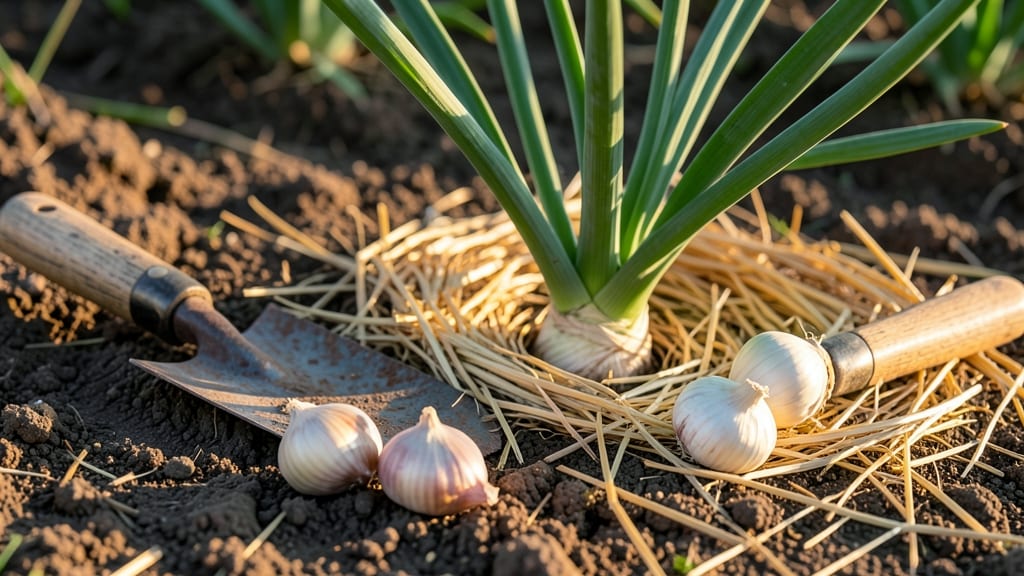
Timing your 🧄 garlic planting in South Florida isn't just about following a calendar—it's about outsmarting the subtropical heat that can send your bulbs bolting before they even form.
Unlike northern climates, Florida's 10a-11 zones demand a fall planting window that avoids summer's relentless sun, but getting it wrong means sacrificing flavor and yield.
Most gardeners assume garlic thrives year-round here, but the truth is, those October-November dates are your golden ticket to plump, robust harvests. Plant too early, and you'll battle heat stress; too late, and you miss the sweet spot for spring harvests.
The key lies in understanding how Florida's microclimates—from coastal humidity to inland heat—affect your garlic's growth cycle.
I've seen firsthand how a 2-week timing difference can mean the difference between a bumper crop and bolting disappointment. Whether you're growing hardneck or softneck varieties, the principles stay the same: cooler soil temps, proper spacing, and shade strategies for Zone 10a's intense sun.
Let me show you exactly how to nail those planting windows for zero bolting and maximum flavor.
From soil prep tricks to variety selection, we'll cover everything you need to know to grow garlic that rivals what you'd find in a specialty market. Ready to turn your South Florida garden into a garlic powerhouse? Let's get those cloves in the ground at the perfect moment.
South Florida garlic planting calendar: exact months to avoid bolting
South Florida’s humid subtropical climate makes garlic planting a delicate balance—too early, and your cloves rot in summer heat; too late, and they bolt prematurely. The optimal window is September through November, when soil temps hover between 60°F–70°F (15°C–21°C), ideal for root establishment before winter’s mild chill.
This schedule avoids the heat stress that triggers bolting, where garlic shifts energy to flowering instead of bulb development.
Unlike northern climates, South Florida’s USDA Zones 10a–11 never experience freezing temps, so garlic grows year-round—but fall planting is critical. The cool, dry season (November–February) mimics garlic’s natural dormancy needs, while summer’s oppressive heat (above 85°F/29°C) forces bolting within 6–8 weeks.
Timing isn’t just about months; it’s about microclimates—coastal areas stay warmer longer than inland zones.
Key bolting triggers in South Florida include:
- Soil temps above 75°F (24°C) for prolonged periods
- Daylength exceeding 12 hours (common year-round)
- Nitrogen-heavy fertilizers late in the season
- Drought stress during active growth
| Planting Window | Soil Temp Range | Bolting Risk | Best Varieties |
|---|---|---|---|
| September 15–October 15 | 60°F–75°F (15°C–24°C) | Low (ideal) | ‘Silverskin’, ‘Artichoke’ |
| October 16–November 30 | 55°F–70°F (13°C–21°C) | Moderate (cooler zones) | ‘Creole’, ‘German Red’ |
| December 1–January 15 | 50°F–65°F (10°C–18°C) | High (risk of slow growth) | ‘California Early’ (fast-maturing) |
| February–March | Above 75°F (24°C) | Very High (avoid) | None (bolting guaranteed) |
For Zone 10a–11, aim to plant by November 1st to ensure bulbs mature before summer heat arrives. In coastal areas (e.g., Miami, Key West), where humidity lingers, start 2–3 weeks earlier (late September) to outpace fungal diseases.
Inland zones (e.g., Orlando, Tampa) can push planting to mid-November due to slightly cooler nights.
Pro tip: Use a soil thermometer to confirm temps—garlic roots need consistent coolth (below 70°F/21°C) to store energy in bulbs. If your soil runs hotter, plant in raised beds with black plastic mulch to moderate temperatures. This trick adds 2–3 weeks of safe growing time in Zone 10a.
Bolting isn’t just about heat—daylength plays a role too. South Florida’s 11+ hours of daylight year-round can stress garlic, so prioritize shade-cloth (30–50%) during peak sun (10 AM–2 PM) if planting in summer-adjacent windows. Even a 10% reduction in light can delay bolting by 3–4 weeks.
Harvest timing ties directly to planting month. Garlic sown in September typically matures by April–May, while November plantings may not be ready until June–July. Plan ahead: April–May is the prime harvest window for South Florida, when lower leaves brown but upper leaves stay green.
Miss this, and bulbs may split open or sprout prematurely.
Don’t overlook soil prep—South Florida’s sandy, fast-draining soils need organic matter to retain moisture. Amend beds with compost or aged manure (4–6 inches deep) 2–3 weeks before planting.
This improves water retention and reduces bolting stress by providing steady nutrients. Avoid fresh manure, which can burn roots and trigger bolting.
For maximum yield, pair your planting schedule with succession planting. Sow half your cloves in September and the rest in November to stagger harvests from April through June. This ensures a continuous supply while minimizing bolting risks across different growth stages.
How to time garlic planting for South Florida’s heat zones (8a–10a)
South Florida’s USDA Zones 8a–10a create unique challenges for garlic growers, where coastal humidity clashes with inland heat. Unlike northern climates, your garlic planting window isn’t just about avoiding frost—it’s about dodging summer’s 90°F+ soil temps that trigger bolting.
In Zone 10a, for example, even a shade cloth can mean the difference between a harvest and wasted cloves.
Coastal areas like Miami-Dade experience milder winters but higher humidity, while inland zones like Polk County face hotter, drier summers.
This means your planting dates should shift based on location: Zone 8a gardeners can push slightly later into November, while Zone 10a growers should plant by late October to escape the worst heat. The goal? Keep soil temps between 50–65°F during early growth—any hotter, and your garlic will bolt.
Here’s how to adjust your timing for your specific microclimate, using soil temperature guides and shade strategies tailored to Florida’s extremes. Whether you’re battling salt spray in coastal zones or intense afternoon sun inland, these adjustments will protect your crop from bolting while maximizing flavor.
🌱
🌡️ Zone 8a (Inland, e.g., Orlando)
- 📅 Planting Window: Late October–November
- 🌡️ Soil Temp Goal: 55–65°F (use a soil thermometer)
- ☀️ Sun Protection: 30% shade cloth if temps rise above 70°F
- 🌱 Best Varieties: ‘California Early’ (bolting-resistant)
🌊 Zone 9a (Coastal, e.g., Fort Lauderdale)
- 📅 Planting Window: Mid-September–October
- 🌡️ Soil Temp Goal: 60–68°F (cooler coastal soils)
- 🌧️ Humidity Tip: Raise beds to improve drainage
- 🌱 Best Varieties: ‘Artichoke’ (softneck, heat-tolerant)
🔥 Zone 10a (Tropical, e.g., Key West)
- 📅 Planting Window: Late August–September (earlier to escape heat)
- 🌡️ Soil Temp Goal: 50–60°F (critical for Zone 10a)
- ☀️ Sun Protection: 50% shade cloth + mulch
- 🌱 Best Varieties: ‘Silverskin’ (softneck, bolting-resistant)
For all zones, mulching with straw is non-negotiable—it keeps soil temps stable and reduces evaporation. In Zone 10a, I’ve seen gardeners use black plastic mulch to warm the soil slightly in winter, but remove it by spring to prevent overheating.
And if you’re in a coastal zone, consider elevated beds to avoid salt buildup from ocean spray.
Timing isn’t just about the calendar—it’s about reading your local microclimate. Use a soil thermometer for 3–5 days before planting to confirm temps are in your target range.
In my Zone 9a garden, I’ve had garlic bolt in December when a heatwave pushed soil temps to 75°F—proof that Florida’s weather can throw curveballs year-round.
Pro tip: If you miss the ideal window, don’t panic. December plantings can still work in Zone 8a, but expect smaller bulbs. The key is to adjust your expectations and focus on bolting-resistant varieties** like ‘Silverskin’ if you’re pushing the limits.
☀️