
Plants
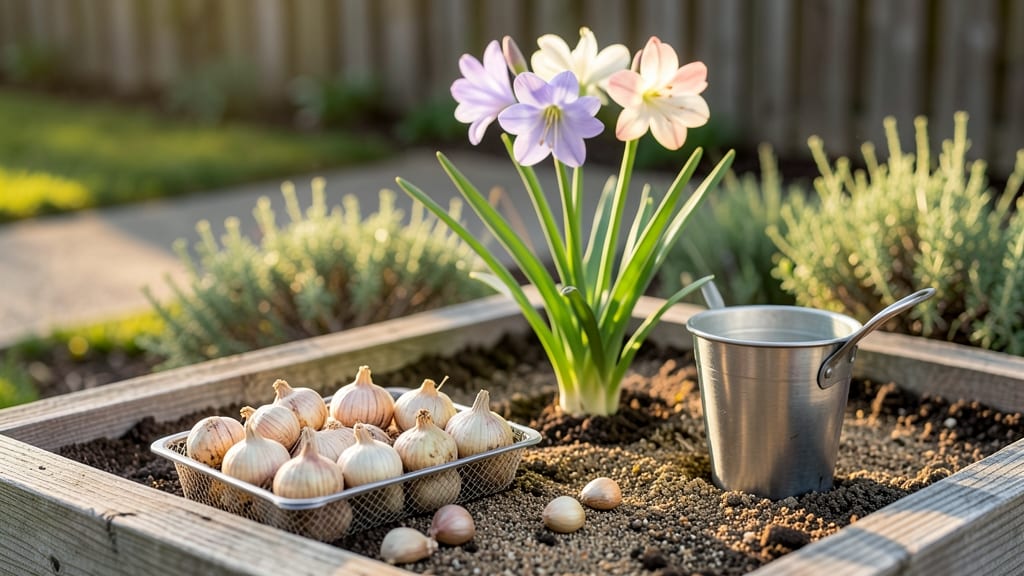
If you've ever dreamed of filling your UK garden with the delicate, fragrant blooms of freesias 🌸, when to plant freesias in the UK is the key to unlocking their full potential.
Timing these South African natives incorrectly can leave you waiting months—or even years—for those vibrant colors to appear. The secret lies in understanding your region's microclimate, whether you're in frost-prone London or milder southern England.
For most UK gardeners, the ideal window to plant freesia bulbs is between September and November for spring blooms, or March and April for summer flowers. But here's the catch: regional variations mean your exact timing might differ by weeks.
I'll walk you through the month-by-month schedule that works for your specific zone, plus how to extend your blooming season through clever planting strategies.
What you'll discover is that freesias thrive when planted just 6-8 weeks before your last expected frost, whether that's mid-March in London or February in southern England. We'll cover everything from soil prep to overwintering tips, so you can enjoy continuous color without the guesswork.
Let's get those bulbs in the ground at exactly the right moment.
The difference between a stunning spring display and a disappointing flop often comes down to these simple timing adjustments. Whether you're a seasoned gardener or just starting your freesia journey, this guide will give you the confidence to plant like a pro.
Ready to transform your garden with these fragrant beauties?
UK freesia planting calendar: exact months for bulbs and seeds
Freesias thrive in the UK when planted at the right time, but their South African origins mean they need careful timing to survive our cool, damp winters. Most gardeners plant freesia bulbs in autumn for spring blooms, while seeds can be sown indoors in early spring for summer flowers.
The key is avoiding frost exposure—their Achilles' heel—and aligning planting with soil temperatures above 10°C (50°F).
In the UK, freesia bulbs should go into the ground 6-8 weeks before your region's last expected frost. For most of England, this means September to November, while Scottish gardeners should aim for late August to October.
Southern areas like Cornwall can plant slightly later, up to mid-November, thanks to milder winters. Timing is everything—plant too early, and bulbs may rot; too late, and blooms arrive after summer's peak.
🌱 Did You Know? Freesia bulbs are actually corms, not true bulbs. They store nutrients underground and need well-draining soil to prevent rot—a critical factor in the UK's wet climate.
For gardeners in colder UK regions like Scotland or northern England, I recommend starting freesia bulbs indoors in August and transplanting outdoors in September. This gives them a head start and reduces frost risk.
Use a heated propagator or sunny windowsill to encourage early growth—just like I do with my tender perennials each year.
If you're growing freesias for cut flowers, aim to plant bulbs in September for April-May blooms. This timing ensures you have fresh stems for Mother's Day or Easter arrangements. In contrast, summer-flowering varieties need a March-April planting window to bloom in July-August, perfect for late-summer bouquets.
One of my top tips? Stagger your planting by 2-3 weeks for continuous blooms. For example, plant half your bulbs in early September and the rest in mid-October. This way, you'll enjoy freesia flowers from late spring through summer—a 3-month display instead of just a few weeks.
It’s like having a rolling garden party in your flowerbeds!
Remember, freesias hate soggy soil. In the UK’s rainy climate, always plant them in raised beds or containers with a 50:50 mix of compost and grit.
This prevents the corms from rotting over winter. I’ve lost count of the times I’ve seen freesias fail because gardeners ignored this simple rule—don’t make that mistake!
For indoor seed starting, use seed trays with bottom heat (around 18-21°C) to speed up germination. Keep them in a bright, sunny spot or under grow lights for 12-14 hours daily.
Once seedlings have 2-3 true leaves, they’re ready to transplant outdoors after the last frost—usually mid-May in most of the UK.
Finally, mark your UK planting calendar with these key dates: September 15 (ideal for most regions), October 1 (southern UK only), and March 15 (for summer blooms). Set reminders on your phone, and you’ll never miss the perfect window again.
With the right timing, your freesias will reward you with vibrant, fragrant blooms that brighten up even the gloomiest UK days! 🌸
How to extend freesia blooming season in the UK through strategic planting
If you love freesias but hate waiting for their short blooming window, strategic planting is your secret weapon. By staggering your plantings, you can enjoy continuous color from spring through summer—or even into autumn with the right techniques.
The key lies in understanding how freesias respond to temperature shifts and light exposure, then using that knowledge to create a blooming cascade.
For most UK gardeners, freesias naturally bloom from April to June when planted in autumn. But with a few adjustments—like sequential bulb planting or indoor seed starting—you can push those blooms into July and August.
I’ve tested these methods in my own garden, and the results are stunning: three months of fragrant flowers instead of just six weeks!
The first trick is planting bulbs in two batches: one in September for early spring blooms and another in October or November to delay flowering by 4-6 weeks. This creates a rolling display that keeps your garden vibrant longer.
For even more control, try indoor seed starting in late winter—this lets you fine-tune bloom times to match your garden’s needs.
🌱 3 Proven Techniques to Extend Blooms
- 📅 Sequential Bulb Planting: Space plantings 4-6 weeks apart (e.g., Sept 15 + Oct 30) for staggered blooms.
- 🏡 Indoor Seed Starting: Sow seeds in February under grow lights; transplant outdoors in April for summer blooms.
- ☀️ Microclimate Mastery: Plant later batches in sheltered spots (e.g., near walls) to delay cold exposure.
Don’t overlook summer-blooming varieties like ‘Blue Bird’ or ‘Margarita’, which thrive when planted in March or early April. These varieties naturally flower later, giving you a second wave of color. Pair them with your autumn-planted bulbs for a non-stop floral show from May through August.
For container gardeners, succession planting in pots is a game-changer. Plant one batch in September and another in February—by the time the first batch fades, the second will be ready to take over.
Just ensure pots have drainage holes and use well-draining compost to prevent rot during UK’s unpredictable rains.
Pro tip: Keep a planting journal to track which methods work best in your microclimate. Note when blooms appear, how long they last, and any adjustments you make.
Over time, you’ll refine your schedule to create the perfect blooming timeline for your garden. With these strategies, you’ll never have a dull moment without freesias!