
Trees
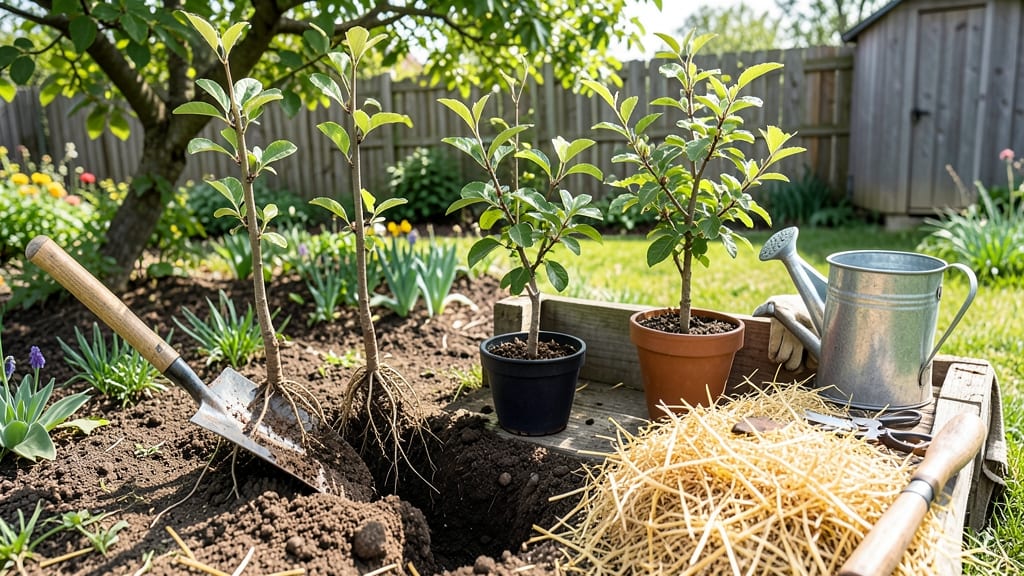
Timing your fruit tree 🍎 planting in Zone 6 can make or break your orchard dreams—get it wrong, and you’re staring at years of stunted growth or frost damage. The key isn’t just picking a season; it’s matching your tree’s chill-hour needs with Zone 6’s unpredictable frost dates.
Most gardeners in 6a/6b rush to plant in spring, but fall often gives roots a head start—if you act before the ground freezes. Whether you’re working with bare-root saplings or container-grown trees, the right window ensures strong root establishment before winter sets in.
I’ll break down exactly when to plant for maximum success, from early spring’s last-frost timing to fall’s dormancy prep. You’ll learn which varieties thrive in Zone 6’s short season and how to adjust for regional microclimates.
Ready to plant with confidence? Let’s dive into the science—and the simple strategies—that turn Zone 6’s challenges into your orchard’s best asset.

Best planting windows for fruit trees in Zone 6 by chill-hour requirements
Zone 6’s 300-900 chill hours (below 45°F) dictate when to plant fruit trees—get this wrong, and your tree may bloom too early, risking frost damage. Most varieties need 500-800 chill hours, so timing aligns with dormancy cycles is everything.
Spring planting (March-April) gives trees 6-8 weeks to establish roots before summer heat, while fall planting (September-October) lets roots grow before winter dormancy. Both windows work, but your choice depends on the tree’s chill-hour needs and your local frost dates.
For example, peaches and nectarines (400-700 chill hours) thrive with spring planting, while apples and pears (800+ chill hours) benefit from fall’s cooler temps. Let’s break down the best months for each type.
| Fruit Type | Chill Hours Needed | Best Planting Window | Root Establishment Tip |
|---|---|---|---|
| Apple 🍎 | 800-1,000 | Early spring or fall | Plant in well-draining soil; mulch heavily in winter. |
| Peach 🍑 | 400-700 | Early spring only | Avoid fall planting—roots won’t harden before frost. |
| Cherry 🍒 | 600-900 | Fall (September) | Choose late-blooming varieties for frost resilience. |
| Pear 🍐 | 500-800 | Early spring or late fall | Water deeply in spring to prevent drought stress. |
| Plum 🍑 | 300-600 | Spring or fall | Prune in late winter to encourage strong new growth. |
Zone 6’s variable frost dates (mid-April to mid-October) mean you must adjust planting based on microclimates. For example, northern Zone 6a (shorter season) favors fall planting, while southern Zone 6b (longer season) allows spring flexibility.
If you miss the ideal window, container-grown trees can be planted up to June—just ensure they’re well-watered and shaded until roots establish. Bare-root trees, however, must be planted in dormancy (fall) or early spring.
Pro tip: Check your last frost date (usually late April in Zone 6) and plant 4-6 weeks before for spring. For fall, aim for 6-8 weeks before first frost (mid-October) to allow root growth before dormancy.
For low-chill varieties (e.g., ‘Reliance’ peach), spring planting is critical—these trees bloom early and can’t handle late frosts. High-chill varieties like ‘Honeycrisp’ apples, however, handle fall planting beautifully.
Always amend your soil with compost before planting, and mulch heavily to protect roots from temperature swings. This simple step can double root growth in Zone 6’s short season.
🌱
How to time fruit tree planting for maximum root growth in Zone 6’s short season
Zone 6’s short growing season (just 165 frost-free days) demands precise timing to ensure fruit trees establish roots before winter. The magic window is 4-6 weeks before your last frost (early spring) or 6-8 weeks before first frost (fall).
This timing lets roots grow 4-6 inches before dormancy—critical for cold hardiness.
For spring planting, aim for March-April when soil temps hit 45°F. Bare-root trees need moist but not soggy soil—think of it as giving them a drink after winter’s drought. Container-grown trees, however, can handle warmer soil (up to 60°F) and offer more flexibility.
Fall planting (September-October) is ideal for high-chill varieties like apples and cherries. The cooler temps reduce transplant shock, and trees enter dormancy with established roots. But avoid planting too late—roots need 4-6 weeks to harden before winter.
⚠️ Late Spring Planting Risk: Planting after May 15 in Zone 6 means roots struggle to establish before summer heat. Young trees transpire faster than they absorb water, leading to drought stress. If you miss the window, container-grown trees are your lifeline—they adapt better to summer planting.
Soil prep is half the battle. Test your soil’s pH (aim for 6.0-7.0) and amend with compost or aged manure to improve drainage. Zone 6’s clay-heavy soils often need sand or peat moss to prevent waterlogging—roots can’t grow where they’re suffocating.
Mulching is non-negotiable. Apply 3-4 inches of organic mulch (straw or wood chips) around the base to insulate roots from temperature swings. In spring, this keeps soil cool; in fall, it traps heat for root growth. Just keep mulch 6 inches away from the trunk to prevent rot.
Protect young trees from late frosts with row covers or frost cloth on nights below 28°F. For container-grown trees, move them to a sheltered spot or wrap the pot in bubble wrap—this simple trick can save your investment during Zone 6’s unpredictable freezes.
🌿