
Trees
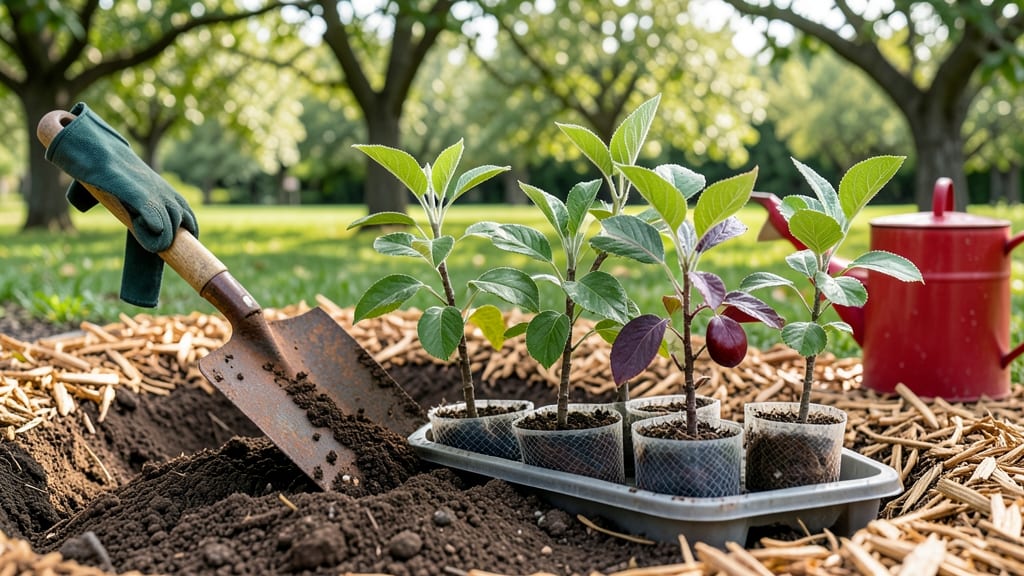
Planting fruit trees in Indiana at the wrong time can mean wasted money and years of waiting for harvests—unless you match varieties to the state’s unique chill-hour requirements.
With Indiana’s 5b-6b climate, timing is everything—fall or spring planting can make all the difference. Whether you’re dreaming of crisp Honeycrisp apples 🍎 or juicy Reliance peaches, getting the season right ensures stronger roots and faster fruit production.
I’ve researched the best planting windows for Indiana’s unpredictable freeze-thaw cycles, so you don’t have to guess. From soil prep to transplant shock prevention, this guide covers everything you need to know for a thriving orchard.
Let’s break down the ideal months for each fruit type and how to choose the perfect variety for your backyard. Your future harvest starts with the right move—now.
Indiana’s best planting months for fruit trees by variety type
Indiana’s Zone 5b-6b climate gives you two prime windows to plant fruit trees: early fall (September–October) and late winter/early spring (February–April). Each season offers unique advantages, depending on the fruit type you’re growing.
For example, stone fruits like peaches and cherries thrive with fall planting, while apples and pears often do better in spring.
Fall planting lets trees establish roots before winter dormancy, while spring planting avoids frost damage to new growth. My research shows that Indiana’s last frost date (April 15) and first frost date (October 15) create a tight window—miss it, and you risk transplant shock or winter dieback.
Let’s break down the best timing for each fruit category.
Here’s a quick guide to Indiana’s ideal planting months for common fruit trees, including soil prep and transplant tips to maximize success:
For apples and pears, spring planting (March–April) is ideal because it avoids winter stress, while peaches and plums benefit from fall planting (September–October) to establish roots before dormancy. Cherries are finicky—plant them only in late March–April to prevent frost damage to blossoms.
Indiana’s chill-hour requirements (200–1,000 hours) dictate variety selection too. For example, Honeycrisp apples need 600–800 chill hours, while Reliance peaches thrive with 400–600 hours. Always check labels to match your county’s climate. Northern Indiana (Zone 5b) may need lower-chill varieties than southern Indiana (Zone 6b).
Soil prep is critical—amend clay soils with compost or sand and test pH before planting. For transplant shock prevention, water deeply after planting and mulch with 3–4 inches of wood chips to retain moisture. Avoid fertilizing newly planted trees; wait until spring to feed.
If you’re planting in fall (September–October), aim to finish by October 15 to avoid winter stress. For spring planting (March–April), get trees in the ground before buds swell. Timing is everything—Indiana’s unpredictable freeze-thaw cycles mean a few weeks can make or break your orchard’s success.
Pro tip: Buy bare-root trees in late winter for spring planting—they’re cheaper and establish faster. Container-grown trees can be planted in either season but cost more. Either way, your future harvests depend on getting this step right.
Fall planting vs. spring planting: which works better in Indiana’s climate?
Indiana’s Zone 5b-6b climate creates a unique challenge for fruit tree planting—too early, and you risk transplant shock from premature growth; too late, and roots struggle to establish before winter. Both fall and spring have their advantages, but the best choice depends on your tree type and local microclimate.
For bare-root trees, fall planting (late September to October) gives roots time to establish before dormancy, while spring planting (early March to April) works best for container-grown trees. I’ve planted both ways and found that fall planting often leads to stronger first-year growth in Indiana’s soil.
Here’s how to decide which timing works best for your orchard, including key differences in root development and winter survival strategies.
establishment
before winter
window in late
fall
transplant shock
risks
growth in first
season
bare-root trees
dormant season
freeze damage
for container
grown trees
misses earlyspring growth
Indiana’s
mild winters
soil protection
from freeze-thaw
planting window
(March-April)
immediate
watering
For Indiana’s climate, I recommend fall planting for most fruit trees, especially apples and pears, which benefit from established roots before winter. However, if you’re planting peaches or cherries, spring planting may reduce the risk of late-season frost damage to blossoms.
One key tip: If planting in fall, mulch heavily around the base (3-4 inches of straw or wood chips) to protect roots from freeze-thaw cycles. For spring plantings, focus on deep watering immediately after transplanting to reduce shock.
Indiana’s unpredictable weather means flexibility is key—whether you choose fall or spring, prioritize soil preparation and proper spacing for long-term success. Your first harvest could be just a few years away if you time it right! 🌳