
Planting
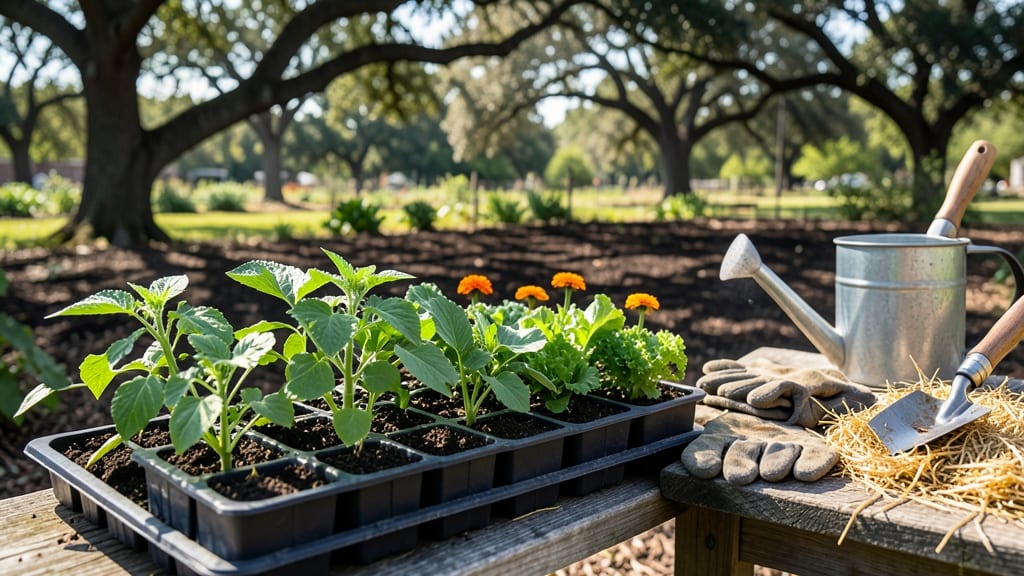
When to plant a garden in Central Texas can mean the difference between a thriving harvest and a sad, wilted mess—especially when you’re staring down 100+ degree summers or unexpected late frosts. If you’ve ever planted too early and lost everything to a surprise freeze, or too late and watched your seedlings fry in the heat, you know the stakes are high.
Here’s the secret: the perfect planting window isn’t just about dates—it’s about working with Central Texas’ 8a-8b climate, where spring and fall are your golden opportunities. Whether you’re growing 🌱 General Garden Plants like tomatoes, peppers, or flowers, getting the timing right means avoiding frost risks and scorching heat.
I’ll break down exactly when to plant for zero-frost success, so you can enjoy fresh veggies from March to November without the guesswork.
Most gardeners in your zone focus on March-April and September-October as the sweet spots, but there’s more to it—like heat-tolerant crops that can handle summer’s intensity or cool-season plants that thrive in milder weather.
We’ll also cover pro tips to stretch your growing season, whether you’re dealing with urban heat islands or rural microclimates. Ready to turn your garden into a year-round success story?
Skip the trial-and-error: I’ll walk you through the exact months, soil prep tricks, and even drought-resistant picks that’ll keep your garden flourishing when others are struggling. Let’s get those seeds in the ground right—before the next Texas heatwave hits.
Central Texas frost-free planting calendar: month-by-month heat-zone guide
Central Texas’s USDA Zone 8a/8b climate means we enjoy 200 frost-free days—but that doesn’t mean you can plant anytime. The last frost date is typically February 15, while the first frost usually arrives November 15.
These dates bookend your best planting windows: late February to early April for spring and late August to early October for fall.
Why? Spring planting gives cool-season crops time to mature before summer’s 90°F+ heat, while fall planting lets heat-sensitive plants recover before winter. Miss these windows, and you’ll battle bolting lettuce or wilting tomatoes.
🌱 PRO TIP: Always check soil temperatures—aim for 60°F+ for spring planting. Use a soil thermometer or wait until azalea blooms (a natural indicator).
| Month | Ideal Planting Window | Best Crops | Avoid Planting |
|---|---|---|---|
| February | Late February (after frost risk) | Peas, spinach, broccoli | Tomatoes, peppers (too cold) |
| March | Entire month (soil warm) | Lettuce, carrots, onions, herbs | Cucumbers (wait for May) |
| April | Early April (before heat) | Tomatoes, peppers, beans | Radishes (bolts quickly) |
| May | Late May (after last heatwave) | Okra, sweet potatoes, melons | Leafy greens (wilts fast) |
| August | Late August (cool down) | Kale, Brussels sprouts, radishes | Pumpkins (needs long season) |
| September | Entire month (best fall window) | Broccoli, cabbage, carrots | Peppers (too slow to mature) |
| October | Early October (before frost) | Garlic, onions, cover crops | Any fast-growing crops |
Spring planting in March and April is your golden window for cool-season crops like lettuce and peas. These plants thrive when daytime temps hover around 70°F and nights dip to 50°F. Skip planting in May unless you’re sowing heat-loving crops like okra or black-eyed peas.
Fall planting in September and October gives you a second harvest before winter. Brassicas (kale, cabbage) and root vegetables (carrots, beets) handle cooler temps better than summer crops. Avoid planting tomatoes or peppers in fall—they won’t mature before frost.
🌡️ TEMPERATURE TIP: Use a plant heat mat for seedlings in March/April to speed up germination. For fall, opt for cold-hardy varieties like ‘Winterbor’ kale or ‘Texas Purple’ tomatoes (a heat-tolerant heirloom).
Don’t forget succession planting! In April and September, sow fast-growing crops like bush beans or radishes every 2 weeks to stretch your harvest. This keeps your garden productive without overwhelming you.
💧 WATERING ALERT: Newly planted seeds in spring
Heat-tolerant vs. cool-season crops: what to plant when in Central Texas
Central Texas’ 8a-8b climate means you can’t just plant everything at once—some crops thrive in heat while others bolt or wilt under summer sun. The key is strategic sequencing: cool-season plants in spring/fall and heat-tolerant varieties in summer.
I’ll break down which crops belong where and how to avoid the classic mistake of planting lettuce in July (spoiler: it’s a disaster).
For spring planting (March-April), focus on cool-season crops like broccoli, cabbage, and peas. These love temperatures between 50°F and 75°F and will bolt—turn bitter—if summer heat hits. Meanwhile, heat-lovers like okra, sweet potatoes, and black-eyed peas can wait until May or June when soil temps hit 70°F+.
The trick? Plant cool-season crops early enough to harvest before June’s heat, then transition to summer-friendly plants.
Fall is your second chance—think of it as a mini-spring. Start with heat-tolerant warm-season crops like tomatoes and peppers in late July (they’ll need shade cloth until temps drop). Then, as nights cool in September-October, switch to cool-season crops like kale, carrots, and spinach. This two-step approach maximizes your harvest window from March through November.
| Crop Type | Best Planting Window | Why It Works | Avoid Planting When |
|---|---|---|---|
| Cool-Season Crops | March-April, Sept-Oct | Thrives in 50°F-75°F; harvests before summer heat | May-August (bolts or wilts) |
| Heat-Tolerant Crops | May-June, Aug-Sept | Handles 80°F+; grows best in summer | Feb-April, Oct-Nov (frost risk) |
| Dual-Season Crops | Spring + Fall (e.g., tomatoes, peppers) | Adapts to temperature shifts with care | Extreme heat (>100°F) or frost |
Pro tip: Succession planting is your best friend. For example, sow bush beans every 2 weeks in May-June to ensure a steady harvest instead of one big batch that ripens all at once.
Similarly, lettuce and radishes can be direct-sown every 2 weeks in spring and fall for continuous greens. This method also helps you avoid gluts (who needs 50 radishes at once?).
Don’t overlook microclimates—your garden isn’t one uniform temperature. South-facing beds heat up faster, while shady spots under trees stay cooler. Use this to your advantage: plant heat-sensitive crops like cilantro in shadier areas during summer, or extend the season for greens by tucking them near a north-facing wall.
Even a 5-10°F difference can mean the difference between success and failure.
Finally, avoid these common mistakes: planting tomatoes before May (they need warm soil), skipping mulch in summer (keeps roots cool), or ignoring drought-tolerant varieties like ‘Heatmaster’ okra or ‘Solar Fire’ peppers.
These breeds are bred for Central Texas’ extremes—why fight them? With the right crops in the right window, you’ll be harvesting year-round while others are sweating over failed gardens.