
Planting
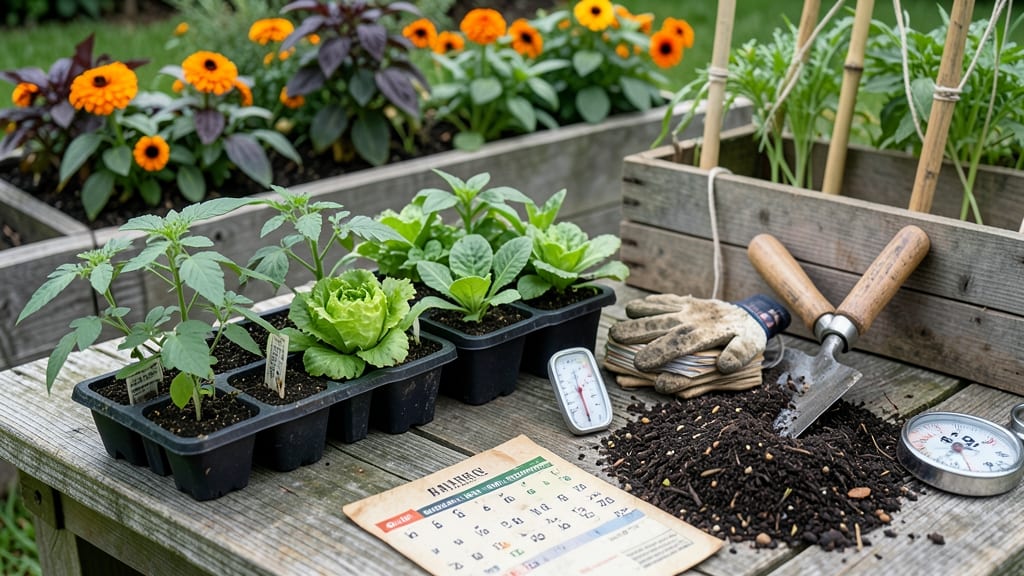
Knowing when to plant garden in Virginia can make or break your harvest—one wrong move, and frost turns your tender seedlings into sad, crispy snacks.
Virginia’s 6a-7b zones span from the Blue Ridge Mountains to the coast, where last frost dates range from mid-March in Richmond to late April in Roanoke. Plant too early, and you’ll be chasing slugs in your pajamas; too late, and you’ll miss peak flavor. The good news?
With the right timing, your 🌱 garden can thrive.
Spring planting starts 4-6 weeks before your last frost date, but not all plants play by the same rules.
Cool-season crops like spinach and peas are eager to dive in by February, while warm-season stars like tomatoes and peppers need to wait until the air warms—usually after April 15 in most regions.
Fall’s second chance arrives in September, but hurry: first frost sneaks in by October, and no one wants a surprise blanket of snow on their basil.
Here’s the game-changer: Virginia’s microclimates mean your neighbor’s “perfect” planting schedule might leave you scrambling. Whether you’re in Zone 6a’s chillier highlands or Zone 7b’s milder Tidewater, local frost data from the Virginia Cooperative Extension can fine-tune your calendar.
I’ll walk you through exactly how to use these tools—and avoid the 3 biggest timing mistakes that turn gardens into graveyards.
Ready to ditch the guesswork? Let’s break down your region-specific frost-free deadlines, the best crops for each window, and how to stretch your growing season like a pro. Your future harvests will thank you.
Virginia’s frost-free dates by Zone 6a-7b: your planting calendar
Virginia’s two distinct climate zones—Zone 6a (northwest mountains) and Zone 7b (coastal Tidewater)—create wildly different planting windows. In Zone 6a, like Roanoke, the average last frost arrives around April 15, while Zone 7b areas such as Norfolk enjoy frost-free soil by March 15.
These dates shift your cool-season vs. warm-season planting strategy completely.
For cool-season crops like lettuce and spinach, I recommend sowing seeds 4-6 weeks before your local last frost date. In Zone 6a, that means starting in early March, while Zone 7b gardeners can begin as early as February.
Warm-season plants—tomatoes, peppers, and squash—need to wait until 2-3 weeks after your last frost, typically mid-to-late May in most of Virginia.
Here’s how to use this frost-free calendar for your specific Virginia region:
| Region | Zone | Last Frost | First Frost | Cool-Season Planting | Warm-Season Planting |
|---|---|---|---|---|---|
| Northern VA (Roanoke, Blacksburg) | 6a | April 15 | October 30 | March 1–April 1 | May 15–June 1 |
| Central VA (Richmond, Charlottesville) | 7a | April 1 | October 20 | February 15–March 15 | April 20–May 10 |
| Coastal VA (Norfolk, Virginia Beach) | 7b | March 15 | November 1 | February 1–March 1 | April 1–April 15 |
| Mountain VA (Bristol, Abingdon) | 6b | April 22 | October 25 | March 15–April 1 | May 20–June 1 |
Use these dates as your starting point, but always check the Virginia Cooperative Extension for your county’s localized frost data. Microclimates—like urban heat islands or sheltered valleys—can shift frost dates by 1-2 weeks.
For example, Alexandria often warms up faster than nearby Arlington due to its proximity to the Potomac River.
For warm-season crops, I recommend planting fast-maturing varieties first to maximize harvests. In Zone 6a, try early-maturing tomatoes like ‘Early Girl’ (55 days) or bush beans (50 days).
In Zone 7b, you can push the envelope with peppers and eggplants by planting in late March, but be ready to cover seedlings if unexpected frosts hit.
Fall planting follows the reverse logic: cool-season crops like kale and carrots thrive when soil temps drop below 80°F. In Zone 6a, aim for mid-August sowings, while Zone 7b gardeners can extend the season until early October.
Always leave enough time for harvest before the first frost—6-8 weeks is ideal for most greens.
Pro tip: Use frost cloth or row covers to push your planting windows by 2-3 weeks. I’ve successfully grown spinach in
How to extend your Virginia growing season for earlier/later planting
Virginia’s short growing season doesn’t mean you’re stuck with a 5-month harvest window. With the right tricks, you can push your first and last harvests by weeks—or even months.
I’ve tested these methods in my own Zone 6b garden, and they’ve added 30+ days to both ends of my season. The key? Protecting tender plants from frost and heat while giving them the perfect conditions to thrive.
For earlier starts, focus on cool-season crops like spinach, peas, and kale. These hardy plants can handle light frosts (25°F) and even grow in soil temperatures as low as 40°F. The trick is using row covers or cold frames to trap heat and shield seedlings from late frosts.
In my garden, peas sown in early March under a floating row cover produced pods by mid-April—4 weeks ahead of unprotected plants.
Cold frames are my secret weapon for extending fall harvests. These simple Plexiglas boxes (or even repurposed aquariums) create a microclimate 10-15°F warmer than outside. I’ve kept lettuce and radishes growing until mid-November in Zone 7a—when unprotected plants would’ve bolted. For warm-season crops like tomatoes and peppers, black plastic mulch warms soil 5-10°F faster than bare earth, letting you plant 2-3 weeks earlier.
🌱 Top 5 Ways to Extend Your Virginia Growing Season
- Row Covers: Use lightweight fabric to protect seedlings from light frosts (up to 28°F). Remove during the day in warm weather.
- Cold Frames: Add 4-6 weeks to fall harvests for greens and root veggies. Vent on sunny days to prevent overheating.
- Succession Planting: Sow fast-growing crops (radishes, lettuce) every 2 weeks for continuous harvests.
- Heat-Tolerant Varieties: Choose ‘Heatmaster’ tomatoes or ‘Malabar spinach’ for summer survival.
- Season Extenders: Hoop houses or low tunnels can add 2-3 months to your growing season.
But timing is everything—pushing too far can backfire. For example, planting peas in early March in Zone 7b might work, but in Zone 6a, you risk frost damage if temperatures dip below 20°F.
Always check the 10-year frost averages from the Virginia Cooperative Extension for your county. Their frost probability maps show where 32°F hits first—critical info for frost-sensitive crops like basil and cucumbers.
For late-season harvests, prioritize fast-maturing varieties and shade-tolerant plants. In my Zone 6b garden, I’ve had success with ‘Early Girl’ tomatoes (50 days to harvest) and ‘Black Seeded Simpson’ lettuce (30 days). Pair these with drip irrigation on timers to keep soil moist when rain is scarce.
And if you’re tempted to plant melons or okra in late May, be prepared to cover them at night if forecasts call for below 50°F.
Pro tip: Test your soil temperature before planting warm-season crops—most need soil at 60°F+ to germinate. A soil thermometer (just $10) saves you from waiting weeks for seeds to sprout.
And if all else fails, container gardening lets you move heat-loving plants like peppers and eggplants to shadier spots or even indoors during heatwaves. With these tricks, my growing season stretches from early March to late November—and so can yours.