
Plants
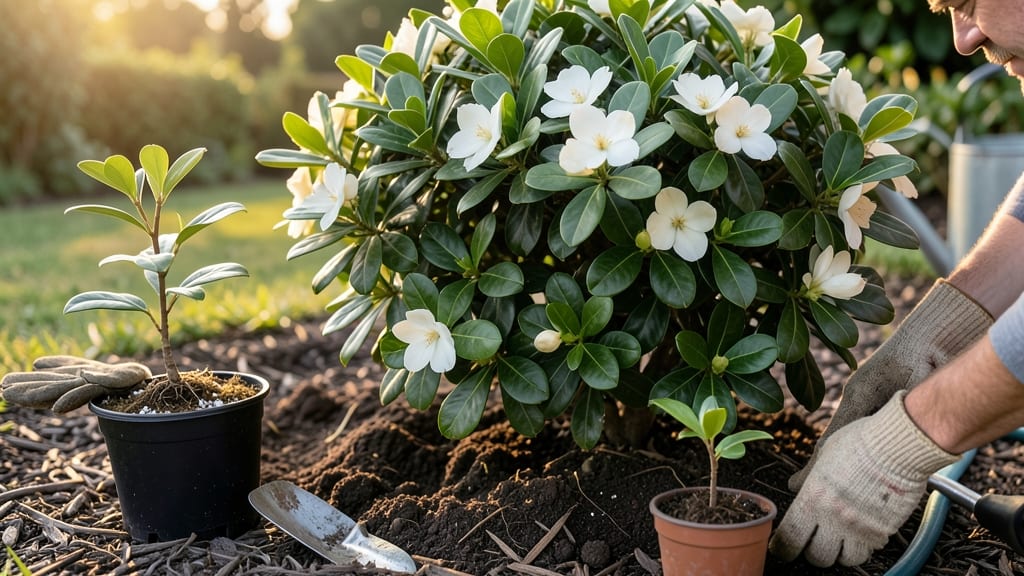
Timing your gardenia planting in North Carolina can make the difference between a thriving 🌸 shrub and one that struggles to survive.
The key window—after the last frost in March-April or during the mild fall months of September-October—aligns perfectly with NC’s Zone 7a-8b climate, but getting it wrong risks frost damage or stunted growth.
If you’ve ever watched your gardenias wilt after an unexpected late frost or bloom weakly due to poor soil prep, you know how critical timing and conditions really are. The right approach means healthier roots, bigger blooms, and years of fragrant beauty—without the guesswork.
I’ll break down exactly when to plant in your specific zone, how to prep your soil for success, and which gardenia varieties handle NC’s humidity and pests best. By the end, you’ll have a clear roadmap to planting gardenias that not only survive but thrive in your yard.
Ready to turn your garden into a fragrant oasis? Let’s get started with the frost-free deadlines that work for your part of North Carolina.
NC frost-free deadlines for planting gardenias by Zone (7a vs 8a)
North Carolina’s Zone 7a and 8a climates create a tight window for planting gardenias—miss it, and you risk frost damage or stunted growth. The key is waiting until the soil temperature consistently stays above 60°F (15°C) for at least a week.
This usually aligns with the average last frost date, but NC’s unpredictable weather means you should verify locally.
For Zone 7a (e.g., Asheville, Boone), the last frost date typically falls around April 15, while Zone 8a (e.g., Raleigh, Charlotte) sees frost-free conditions by March 20.
However, a late frost can push these dates back by 1-2 weeks, so always check the NC State Climate Office for updates.
Here’s the critical planting window for each zone, based on historical data and soil warmth:
Planting outside these windows increases the risk of root shock or frost damage. In Zone 7a, gardenias are semi-evergreen and may lose leaves in winter, while Zone 8a gardenias often retain foliage year-round. Both zones benefit from fall planting (September–October) to establish roots before winter.
Use a soil thermometer to confirm warmth—gardenias hate cold soil. If you’re in a microclimate (e.g., near a lake or hillside), your frost dates may shift by 1-2 weeks. For example, Mountain regions in Zone 7a can be 2 weeks later than piedmont areas.
Pro tip: Mulch heavily after planting to insulate roots. A 3-inch layer of pine straw or shredded bark helps regulate soil temperature and retain moisture during NC’s hot, humid summers.
If you’re unsure about your exact last frost date, use the NC State Extension’s frost calculator or sign up for local weather alerts. Gardenias are perennials in NC, so getting the timing right now means years of fragrant blooms with minimal fuss.
For gardeners in Zone 7a, consider starting gardenias in containers and delaying outdoor planting until May 1 to eliminate frost risk entirely. This also gives you flexibility to move plants if unexpected cold snaps hit.
Remember: Gardenias hate soggy roots. If you plant too early and get heavy rains, the soil may stay too cold for root establishment. Aim for well-draining, acidic soil (pH 5.0–6.0) and a slightly elevated spot to prevent waterlogging.
🌸
NC frost-free deadlines for planting gardenias by Zone (7a vs 8a)
North Carolina’s Zone 7a and Zone 8a have different frost-free deadlines that directly impact when you should plant gardenias. In Zone 7a (western NC mountains), the last average frost date is March 25, while Zone 8a (coastal and piedmont regions) typically sees its last frost around March 15.
These dates create a 2-3 week window where planting gardenias gives them the best chance to establish roots before summer heat arrives.
For both zones, aim to plant gardenias 2-3 weeks after your last frost date. This means early April for Zone 8a and late April for Zone 7a. Fall planting is also an option—September-October—when soil stays warm enough for root growth but nighttime temperatures begin to cool.
This second window lets gardenias establish roots before winter dormancy.
Soil temperature is just as critical as air temperature. Gardenias thrive when soil reaches at least 60°F (15°C).
In most of NC, this happens by mid-April in Zone 8a and late April in Zone 7a. Use a soil thermometer to confirm—planting too early in cold soil can stunt root development and leave your gardenias vulnerable to fungal diseases.
| Zone | Last Frost Date | Optimal Planting Window | Soil Temp Threshold | Risk Level |
|---|---|---|---|---|
| Zone 7a | March 25 | Late April - Early May | 60°F (15°C) | Higher (late frosts) |
| Zone 8a | March 15 | Early April - Mid-April | 60°F (15°C) | Lower (earlier warm-up) |
| Both Zones | September - October | 60°F (15°C) soil | Low (fall planting) | Lowest (establishes roots before winter) |
Historical data shows that late frosts can still occur in Zone 7a as late as April 15, so waiting until early May reduces risk. In Zone 8a, early April planting is safer, but always monitor local weather forecasts for unexpected cold snaps.
The National Weather Service provides frost probability maps for NC—bookmark their site for real-time updates.
If you’re in a microclimate (like a valley or low-lying area), frost risk increases. In these spots, consider waiting until mid-May for spring planting or using row covers for early plantings.
Fall planting is often the safer bet in these areas, as gardenias can establish roots before winter dormancy sets in.
Remember, gardenias are perennials in NC, meaning they’ll return year after year if planted correctly. The right timing now means fewer struggles with pests, diseases, and poor blooming in future seasons.
Once established, a healthy gardenia can live for 20+ years—making the effort to plant at the right time well worth it.